
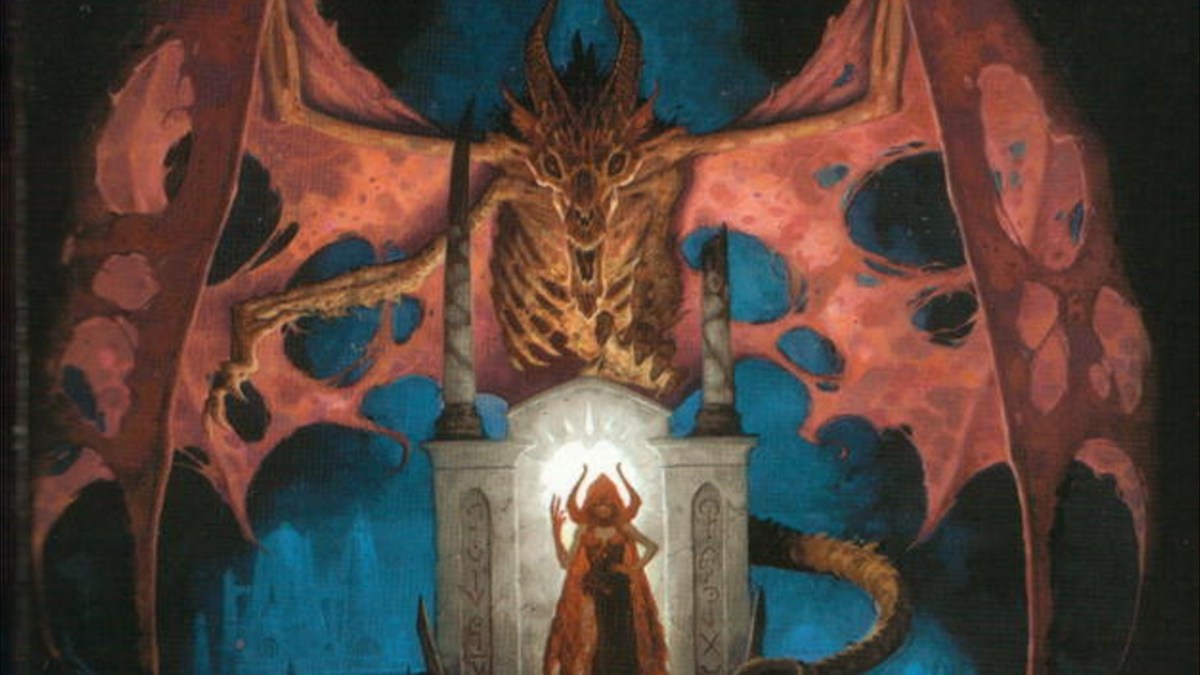
Reviving classic video games from digital limbo requires untangling decades-old corporate ownership and outdated technology. In a recent interview discussing video games preservation, SNEG Games co-founder Artem Shchuiko detailed the intricate process required to bring forgotten titles back to modern PCs, highlighting the multi-party agreements and technical reverse-engineering involved in publishing historical software.
Quick Facts
- Game Featured: Pool of Radiance: Ruins of Myth Drannor (released originally on September 27, 2001)
- Publisher Profile: SNEG Games, a PC publisher focused on reviving classic games
- Rights Holders Involved: Wizards of the Coast, Stormfront Studios, and Ubisoft
The Legal Quagmire of Classic PC Publishing
According to Shchuiko, the challenge of restoring abandoned games often starts long before anyone touches the digital code. Securing publishing rights frequently involves tracking down multiple defunct or reorganized entities. For Pool of Radiance: Ruins of Myth Drannor, SNEG had to secure rights from three separate parties: Wizards of the Coast, original developer Stormfront Studios, and original publisher Ubisoft.
Other titles in the preservation pipeline presented even steeper legal obstacles. Bringing back the Ecstatica games required tracking down an original developer who left the industry over twenty years ago to pursue science and sculpture, then building a relationship to earn his trust. For another unannounced title, SNEG had to reinitiate legal proceedings concerning the bankruptcy of a company that had ceased to exist for more than 25 years just to establish a valid legal acquisition path.
Digital Archaeology and Modern Compatibility
Once legal hurdles are cleared, the technical restoration begins. SNEG notes that in the majority of preservation cases, the original source code is no longer available. This absence forces the team to reverse-engineer parts of the code to establish compatibility with modern operating systems.
Even when source code exists, it often relies on programming languages and technologies that are obsolete, requiring developers with specialized expertise. Depending on the specific software, the team may rewrite portions of the renderer, build proper controller support, establish compatibility with modern hardware, or solve technical problems originally designed two to three decades ago. The overarching goal, according to Shchuiko, is to stay faithful to the original gameplay, atmosphere, and identity while removing technical barriers like broken resolutions, missing controls, and game-breaking bugs that prevent modern players from enjoying them.