
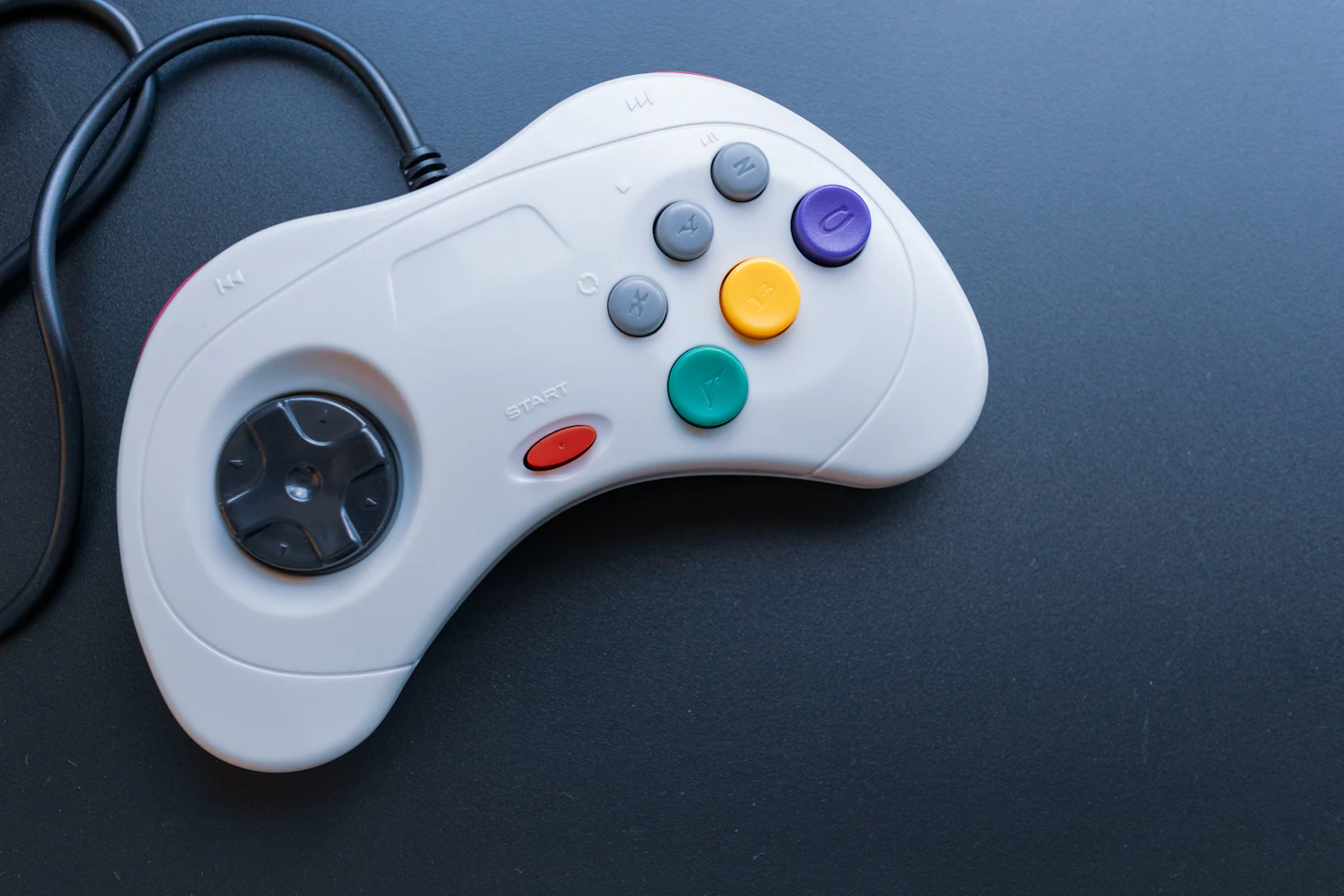
The flight stick was a cornerstone of the 1990s PC gaming experience. For many, these controllers weren't just peripherals; they were the essential bridge between the pilot's chair and the digital cockpits of popular flight sims from that era.
The Legacy of 90s Simulation Hardware
The 90s marked a period where the PC established itself as the premier platform for simulation games. The hardware that accompanied this growth—specifically the robust, often oversized flight sticks of the time—set expectations for immersion that still influence the market today. These devices moved beyond simple directional input, introducing complex button layouts, throttle controls, and hat switches that mimicked real-world aviation gear.
What This Means for Modern Players
For current enthusiasts, these vintage controllers serve as a reminder of the iterative design process that brought us the high-precision flight gear available in 2026. While modern hardware has integrated Hall effect sensors and advanced force feedback, the fundamental layout and "feel" of a flight stick remain anchored in the design language established three decades ago.
Players interested in the history of flight simulation often look back at these models not just for nostalgia, but to understand the evolution of ergonomics in gaming controllers. If you are currently building a flight sim rig, the lineage of these 90s peripherals is clearly visible in the button placement and base design of today's professional-grade flight sticks.