
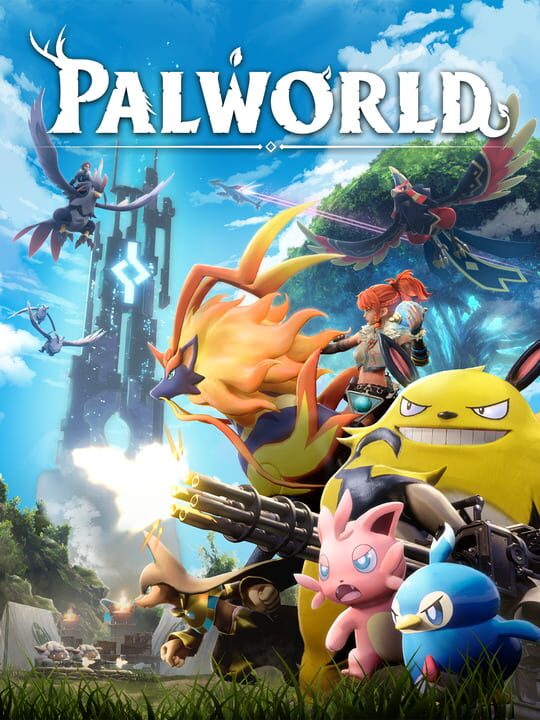
Legal experts are increasingly warning game studios to avoid AI-generated content in their development pipelines, citing both the risk of copyright litigation and intense pushback from the player community. This shift comes as industry observers point to the discourse surrounding the developer of Palworld as a primary example of how AI-related concerns can impact a studio's public standing.
The Legal and Community Risks of AI
Legal counsel specializing in the gaming industry confirmed that clients are now explicitly including anti-AI language in their contracts. These measures are designed to preemptively address two major hurdles: the uncertain legal status of AI-generated assets, which lawyers describe as a potential "copyright landmine," and the widespread distaste for AI usage among gamers.
While the legal environment remains in flux, the consensus among legal professionals is that the potential for lawsuits is high. By moving to restrict or eliminate AI tools from production, studios aim to protect their intellectual property rights while simultaneously aligning with player expectations.
What Remains Unknown
While the move toward anti-AI contracts is a confirmed trend among certain legal circles, the long-term impact on studio productivity and the final legal standing of AI in gaming remains unclear. Specific studio policies regarding AI, outside of the general shift toward restrictive contracts, have not been publicly disclosed for most major developers. Whether these contractual protections will be sufficient to shield studios from future litigation or public criticism remains to be seen as the industry navigates this evolving landscape.