
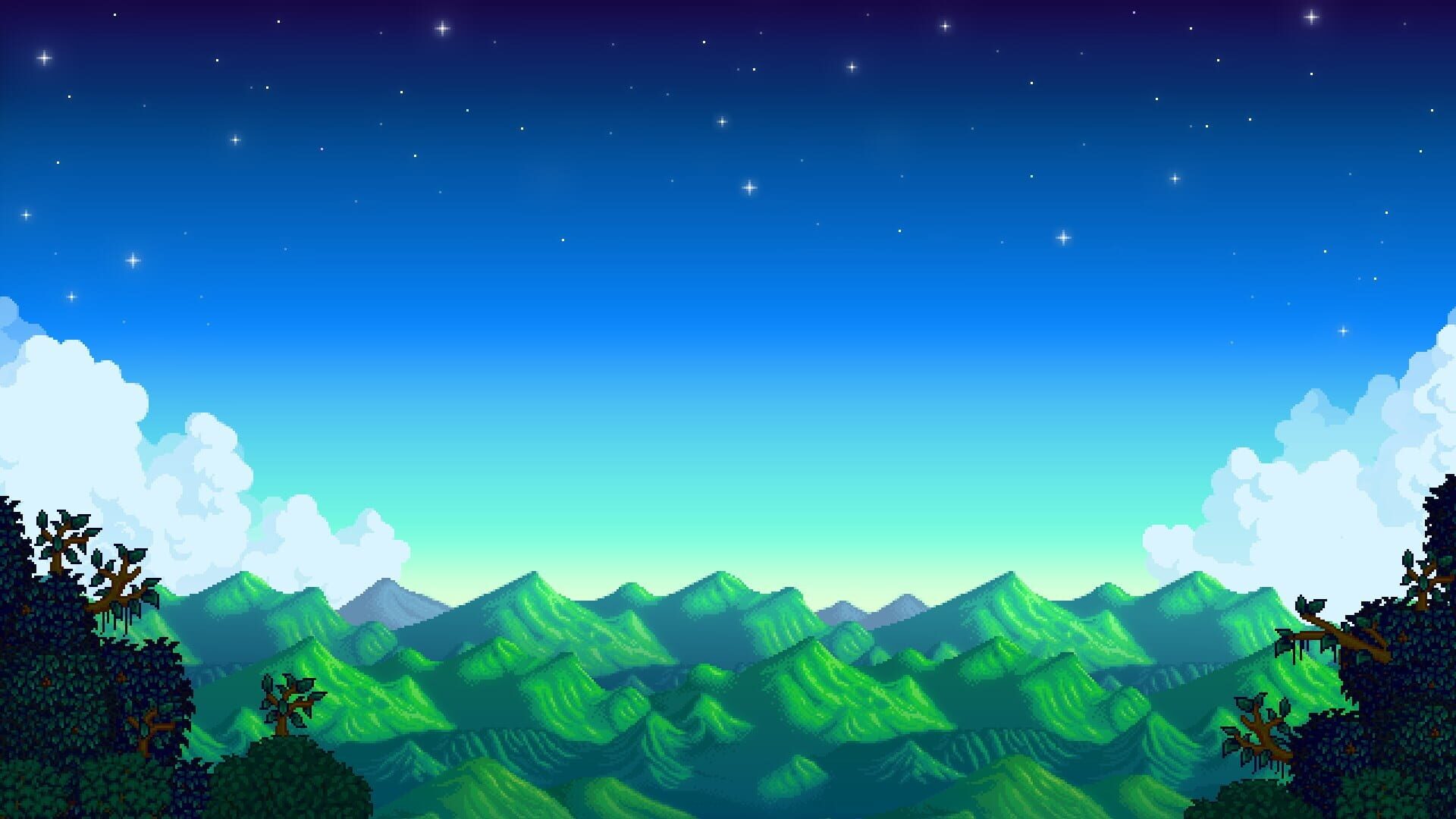
Stardew Valley, a title that has long defined the life-sim genre with its iconic 2D pixel art style, is currently the subject of intense community debate. A recent shift—moving the beloved farming simulator into a 3D perspective—has left players struggling to decide whether the transformation is a brilliant evolution or something altogether more unsettling.
The 3D Perspective Shift
For years, the charm of Pelican Town has been inseparable from its flat, top-down pixel aesthetic. However, new community-led efforts to render the world of Stardew Valley in 3D have surfaced, forcing a conversation about how much the game's identity relies on its original visual limitations. While some view the added depth as a way to breathe new life into the familiar farming loops, others find the transition to a 3D space to be jarring, with some going so far as to describe the result as 'horrifying.'
The visual contrast is stark. Where the original game uses sprite-based characters and environments to create a cozy, consistent atmosphere, the 3D implementation strips away that nostalgic safety net. It creates an environment where the familiar layouts of the farm and town feel alien, raising questions about whether the gameplay mechanics—originally designed for a 2D plane—actually translate well to a three-dimensional space.
Community Reaction
The reception has been deeply polarized. On one side are the players who appreciate the technical achievement and the novelty of navigating the farm from a new angle. For these players, seeing the crop layouts and character interactions in a pseudo-3D environment offers a fresh way to engage with a title they have spent hundreds of hours in since its 2016 release.
Conversely, a vocal segment of the fanbase feels the 3D shift clashes with the game's core intent. The 'horrifying' label mentioned by many isn't necessarily a critique of the technical quality, but rather an emotional reaction to seeing a world they associate with comfort and relaxation warped into something that feels fundamentally different. The shift highlights how much of a game's 'feel' is tied to its art direction, and how difficult it is to translate that feeling when the camera moves.
Ultimately, the experiment serves as a reminder of the game's enduring popularity. Even eight years after its initial launch, the community is still finding ways to deconstruct and reimagine the experience, ensuring that Stardew Valley remains a central topic of conversation in the PC Gaming space.