
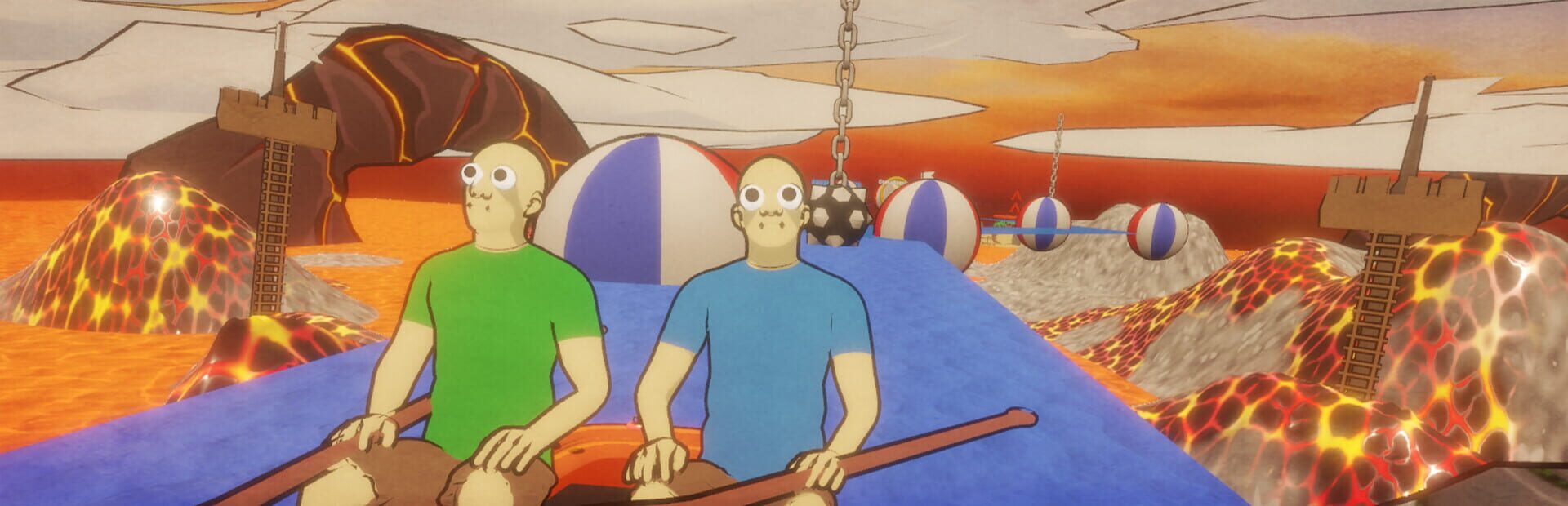
Solo developer Mateo Covic has sparked a debate regarding Steam’s refund policy after revealing that his game, Paddle Paddle Paddle has been subjected to over 55,000 refunds. Covic argues that the current system, which grants refunds for games with less than two hours of playtime, is being exploited by players who finish the title and then request their money back.
Quick Facts
- Game: Paddle Paddle Paddle
- Developer: Mateo Covic (Zoroarts)
- Reported Refunds: Over 55,000
- Platform: PC
- Release Date: July 25, 2025
The situation came to light following a series of posts on X (formerly Twitter), where Covic expressed frustration that players were finishing the game—which he designed with a planned playtime of approximately four hours—within the two-hour window required for a refund. Covic noted that many of these users even left positive reviews while simultaneously requesting their money back.
"I'm 100% pro refund but the current 'no questions asked' policy just makes it super easy for players to abuse this rule," Covic told. He emphasized that he believes refunds should be reserved for cases where players are misled by store pages or encounter technical issues preventing them from playing, rather than as a way to consume content for free.
Community and Industry Reaction
The developer’s public comments have drawn a polarized response. While some have supported his frustration, others have been highly critical. Covic says he has received numerous "hateful DMs and insulting comments" since speaking out, noting that Paddle Paddle Paddle has been review-bombed, dragging its recent Steam rating down to "mixed."
Some players have pushed back against the idea that the refunds are solely due to the game's length. One Steam reviewer described the game as "low effort ragebait streamer trash," arguing that the refund was a result of personal dissatisfaction with the game’s quality rather than a calculated attempt to exploit the policy.
Industry experts have also weighed in on the broader implications of the policy. Indie game marketing consultant Indie Game Joe argued that while the refund rate is high, the accessibility provided by the policy is likely a factor in the game reaching 270,000 sales in the first place. "It's not a flaw in the system, it's a trade-off that comes with the territory," he stated.
Covic acknowledged that the experience has been a significant learning opportunity. "I guess it's a big learning opportunity and I will think twice before posting a statement or request like that in the future," he said, adding that he would prefer players provide specific, constructive feedback when requesting a refund so he can improve the game’s design.