
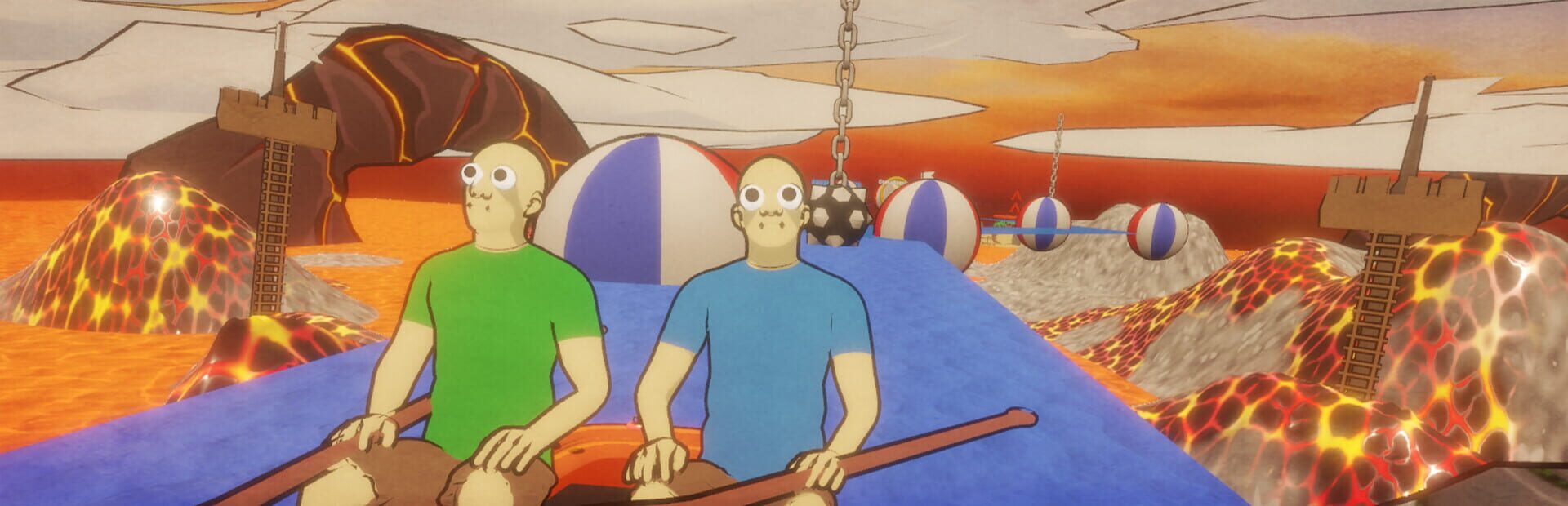
It’s hard to nail down a fair refund policy for video games that goes beyond hardware issues, because so much of the experience comes down to personal taste. Steam’s current policy, which relies on playtime and purchase length, is generally functional, but a solo indie developer is pointing out an inherent flaw for shorter works following tens of thousands of lost sales.
The game in question is Paddle Paddle Paddlea quirky title released on July 25, 2025, where players guide two characters downstream on a raft. One person controls the paddle on one side while another handles the other—or you can manage both yourself for a bit of Qwop-style, physics-based chaos. The game is intentionally short, clocking in at under two hours to complete.
The Problem with the Two-Hour Threshold
Because the game can be finished in less than two hours, it falls right into the trap of Steam's automated refund window. If a player owns the product for less than two weeks and has played for under two hours, they can return the game without question.
Zoroarts, the solo developer behind the title, took to Twitter on July 5, 2026, to express frustration with the situation. “This should not be possible @Steam,” he wrote. “Would be cool if you could finally do something about your refund policy Got dozens of reviews like that and 21% refund rate even though the Reviews are 90% very positive.”
The developer included a screenshot of a user review calling Paddle Paddle Paddle a “Great game,” while noting that the player had already refunded the purchase. Zoroarts claims the total number of refunds has climbed to over 55,000.
A Dissonance for Small-Scale Projects
There is a fundamental dissonance here that is costing small teams genuine revenue. The game is designed to be played in an afternoon and then replayed for better times, but the current blanket policy allows players to essentially “rent” the experience for free. While the game is currently available on PC with a 40% discount, the developer’s plea highlights the struggle of maintaining a sustainable PC gaming release when the platform’s infrastructure doesn't account for shorter, high-quality indie experiences.
For now, Paddle Paddle Paddle remains available on Steam, but the situation serves as a stark reminder of the friction between automated store policies and the reality of independent game development.