
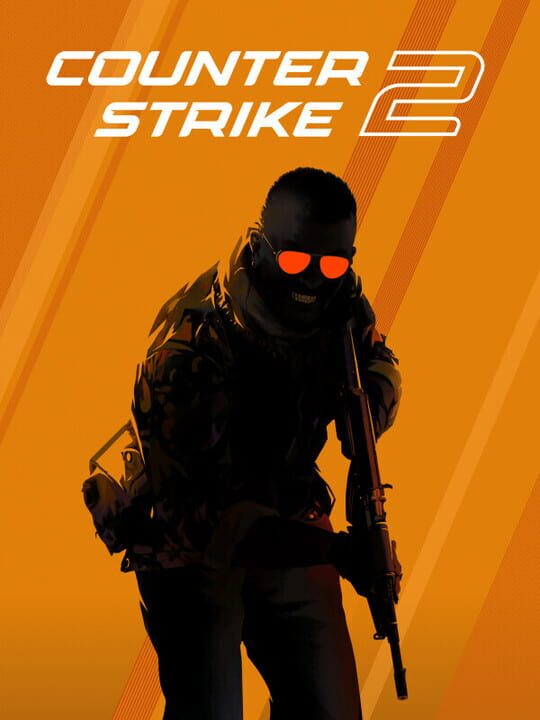
Counter-Strike 2 has unseated League of Legends as the most-watched esports title globally, according to the Q2 2026 Live-Streaming Trends Report from data analytics firm Stream Hatchet. The tactical shooter recorded 209 million tournament hours watched between April and June, bolstered significantly by the Intel Extreme Masters (IEM) Cologne event, which saw a peak of 2.7 million concurrent viewers.
Quick Facts: Q2 2026 Viewership
- Top Esports Title: Counter-Strike 2 (209 million hours watched).
- Runner-up: League of Legends (166 million hours watched).
- Market Leader: TikTok Live now controls 50.9% of the global live-streaming market.
- Total Hours: 17.5 billion hours of live content were consumed globally during the quarter.
The Shift to TikTok Live
The report highlights a broader transformation in how audiences engage with competitive gaming. TikTok Live generated 8.9 billion hours watched throughout the second quarter, effectively surpassing the combined total of all legacy platforms—including Twitch and YouTube Gaming—which logged 8.5 billion hours. Legacy platforms saw a 6% year-on-year decline, with YouTube Gaming recording a 19.3% drop to 1.8 billion hours.
To accommodate this shift, the ESL FACEIT Group (EFG) has entered a partnership with TikTok. This collaboration focuses on delivering vertical esports broadcasts and native co-streaming features directly within the app, moving away from traditional horizontal simulcasts to better serve mobile-first viewers.
Impact on Competitive Standings
While Counter-Strike 2 took the top spot, the rankings also reflect the growth of mobile esports. Mobile Legends: Bang Bang secured third place with 119 million hours watched and recorded the highest single-event peak of the quarter, drawing 2.9 million concurrent viewers during MPL Indonesia Season 17.
For the Counter-Strike franchise, the performance of IEM Cologne validates the ongoing investment in the tournament circuit. As distribution strategies evolve, the success of these broadcasts on newer platforms suggests that tournament organizers are increasingly prioritizing vertical-format compatibility to maintain reach against the backdrop of declining legacy platform viewership.