
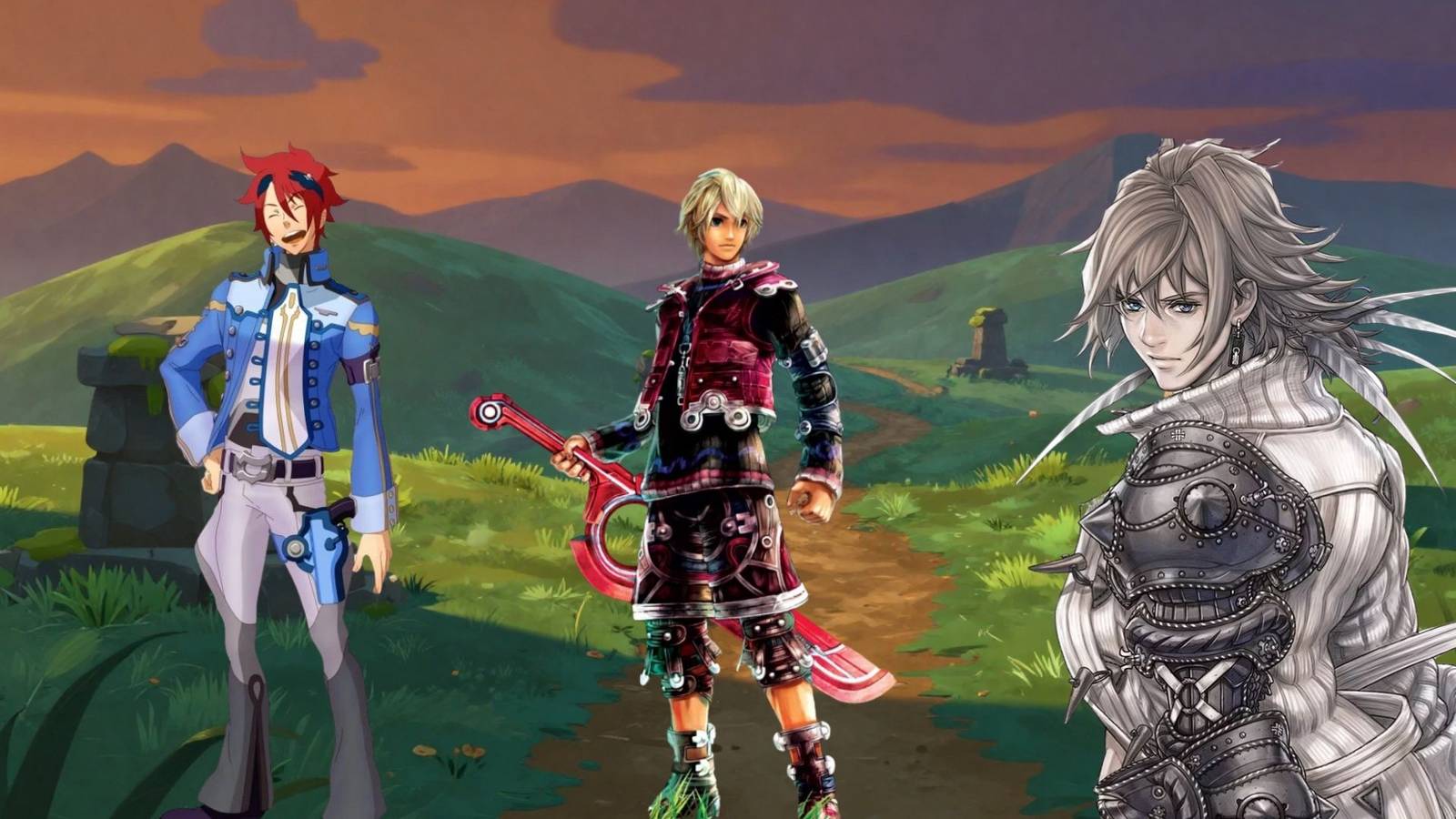
The Nintendo Wii might not be remembered for flooding the market with JRPGs, but the titles it did receive were far from casual experiences. Whether they were brand-new IPs or continuations of long-running series, these games often forced players to engage with intricate, demanding systems. If you tried to brute-force your way through them, you likely found yourself stuck against a wall. Here are some of the hardest Wii JRPGs that still stand as true tests of skill.
Arc Rise Fantasia: A Deceptive Challenge
Despite its vibrant, colorful aesthetic, Arc Rise Fantasia is notorious for its brutal difficulty. It requires heavy investment in its customization systems; ignoring them is a guaranteed recipe for failure. Boss fights in the game are particularly unforgiving, often ending in seconds if you aren't carefully managing your SP, exploiting elemental weaknesses, and effectively interrupting enemy combos. If you don't engage with the game on its own complex terms, you will find yourself on the losing end of every major encounter.
Xenoblade Chronicles: A Brutal New World
Released on September 10, 2010, by developer Monolith Soft, Xenoblade Chronicles introduced an iconic series with a focus on strategic, MMO-inspired combat. The difficulty here stems from positioning and resource management, as there isn't a traditional healing ability to rely on. Boss fights are especially intense, utilizing a 'see the future' mechanic that forces you to constantly balance offense and defense in real time. Between managing seven cooldowns and a special chain ability gauge, it is easily one of the most demanding combat experiences on the console.
The Last Story and Tales of Symphonia
The Last Story, released in 2012 by Mistwalker and AQ Interactive, is a mature action RPG that hides its complexity behind a seemingly simple exterior. Success hinges on environmental interaction and precise positioning, with bosses requiring creative, outside-the-box thinking to whittle down their massive health bars. Similarly, Tales of Symphonia: Dawn of the New World forces players to adapt to a shift toward monster collection. Because the main character, Emil, acts as a 'glass cannon' and the party AI can be unreliable, the game creates a sense of urgency that is rare for the series.
Hardcore Survival: Monster Hunter Tri, Shiren, and Baroque
Some titles on the Wii took difficulty to an oppressive level. Monster Hunter Tri (2010) was an unforgiving introduction for many, featuring slow, animation-based combat and the notorious underwater segments that added an extra layer of frustration. Shiren The Wanderer, a turn-based roguelike, is arguably one of the most stressful experiences on the hardware, where a single wrong move can cost you hours of progress. Baroque, developed by Sting, Inc., leans into this cycle of failure; it is an incredibly bizarre, stiff-combat experience that practically mandates frequent deaths as part of the learning process, even forcing you to risk losing your weapons mid-dungeon.
Fire Emblem: Radiant Dawn
For tactical fans, Fire Emblem: Radiant Dawn remains a high point for difficulty. The enemy AI is opportunistic and ruthless, punishing any tactical error with precision. With the inclusion of the series' signature permadeath feature, the stakes are elevated to a point where one bad opening move can result in the permanent loss of a unit, often requiring a total restart of the mission. It is a game that demands absolute focus and mastery of the tactical grid.