
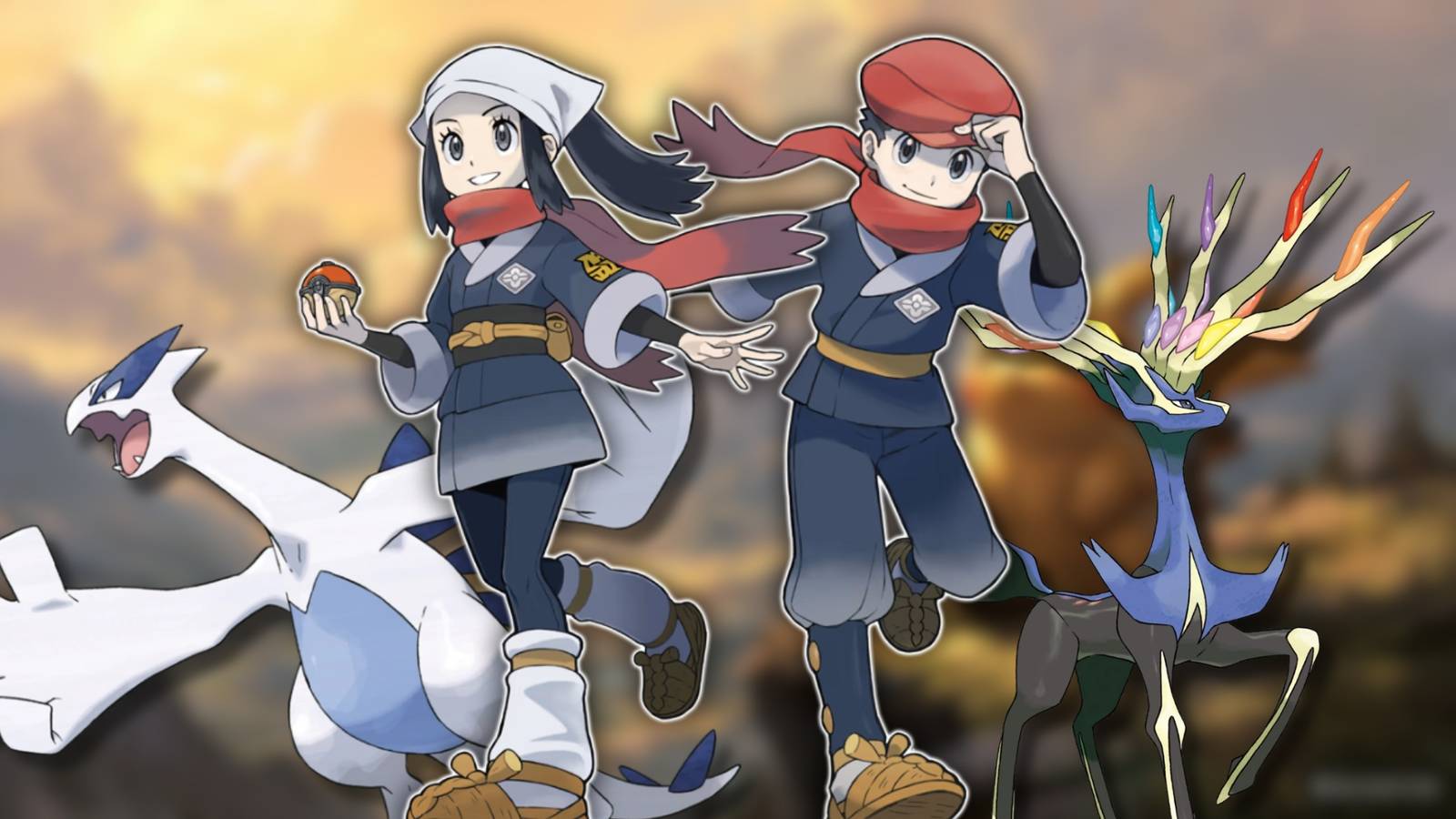
For over 30 years, Game Freak and Nintendo have released numerous entries in the Pokémon franchise, letting players catch, train, and battle over 1,000 Pokémon. While many titles—such as Pokémon Diamond and Pearl—tend to funnel players toward specific, statistically powerful teams due to limited Pokédexes, several traditional titles take a different approach. These games feature less restrictive regional Pokédexes and lower difficulty curves, actually rewarding players for Building Weird Teams Instead of sticking strictly to the strongest meta options.
Steps at a Glance
- Identify Pokémon titles with expanded Pokédexes or lower difficulty.
- Utilize non-standard starters or restricted acquisition methods like Shadow Pokémon.
- Experiment with underused, slow, or unconventional type combinations.
- Leverage trade mechanics or built-in connectivity to import varied regional rosters.
1. Pokémon Colosseum (GameCube)
Released exclusively for the GameCube by Genius Sonority, Pokémon Colosseum sets players in the Orre region to defeat Team Snagem and stop them from creating volatile Shadow Pokémon. Wes starts with Espeon and Umbreon, and the game immediately forces unconventional team building by requiring players to snag Shadow Pokémon from other trainers rather than catching wild ones.
2. Pokémon Sun and Moon (Nintendo 3DS)
As some of the most story-focused entries in the series, the Hawaii-inspired Pokémon Sun and Moon feature handholdy progression with island trials and totem Pokémon instead of traditional gyms. Thanks to this lower difficulty and type-based Z-Moves, players can easily complete the game using notoriously slow or unusual Alolan Pokémon like Vikavolt, Dhelmise, Oranguru, Gumshoos, and Crabrawler.
3. Pokémon Yellow (Game Boy / 3DS)
Acting as an anime adaptation for Generation I, Pokémon Yellow gives players Pikachu as a starter and introduces anime characters like Team Jesse and James. It stands out as the easiest Generation I title, allowing players to experiment with unconventional lineups—such as combining Nidoqueen, Parasect, Hitmonlee, Hypno, Dodrio, and Kabutops.
4. Pokémon Legends: Arceus (Nintendo Switch)
Set in the far past when Sinnoh was known as the Hisui region, Pokémon Legends: Arceus removes traditional gym obstacles in favor of open exploration, catching wild Pokémon, and boss-like encounters. This exploratory focus makes it simple to assemble odd teams featuring unusual combinations like Wyrdeer, Electrode, Avalugg, Samurott, Crobat, and Drapion.
5. Pokémon HeartGold and SoulSilver (Nintendo DS)
These Generation IV remakes of the Johto titles utilize modern mechanics like the physical and special type move split. By trading Pokémon with copies of DiamondPearl or Platinum players can journey through Johto and Kanto using rosters built from Sinnoh and Hoenn.
6. Pokémon Black 2 and White 2 (Nintendo DS)
While original Unova entries restricted players exclusively to 156 new regional Pokémon until post-game, Pokémon Black 2 and White 2 expanded the base Pokédex to 300 available creatures right from the start. This includes numerous legacy Pokémon from the first four regions, opening the door for creative combinations like Golbat, Galvantula, Jellicent, Claydol, Ferrothorn, and Scolipede.
7. Pokémon: Let's Go Pikachu! and Let's Go Eevee! (Nintendo Switch)
Serving as a reimagined Kanto adventure bridging traditional mechanics with Pokémon Go catching systems, these Switch remakes stand among the easiest in the franchise. Their lower difficulty makes unconventional team setups—such as pairing Melmetal with Alolan Marowak, Raichu, Ninetales, Muk, and Exeggutor—entirely viable.
8. Pokémon X and Y (Nintendo 3DS)
As the first Generation VI mainline games, Pokémon X and Y feature 72 new Kalos Pokémon alongside 81 older species available before defeating the Elite Four. Combined with the relatively easy difficulty, the massive variety of available creatures makes Kalos an ideal region for experimental teams featuring varied rosters like Exploud, Azumarill, Ninjask, Mega Abomasnow, Houndoom, and Meowstic.