
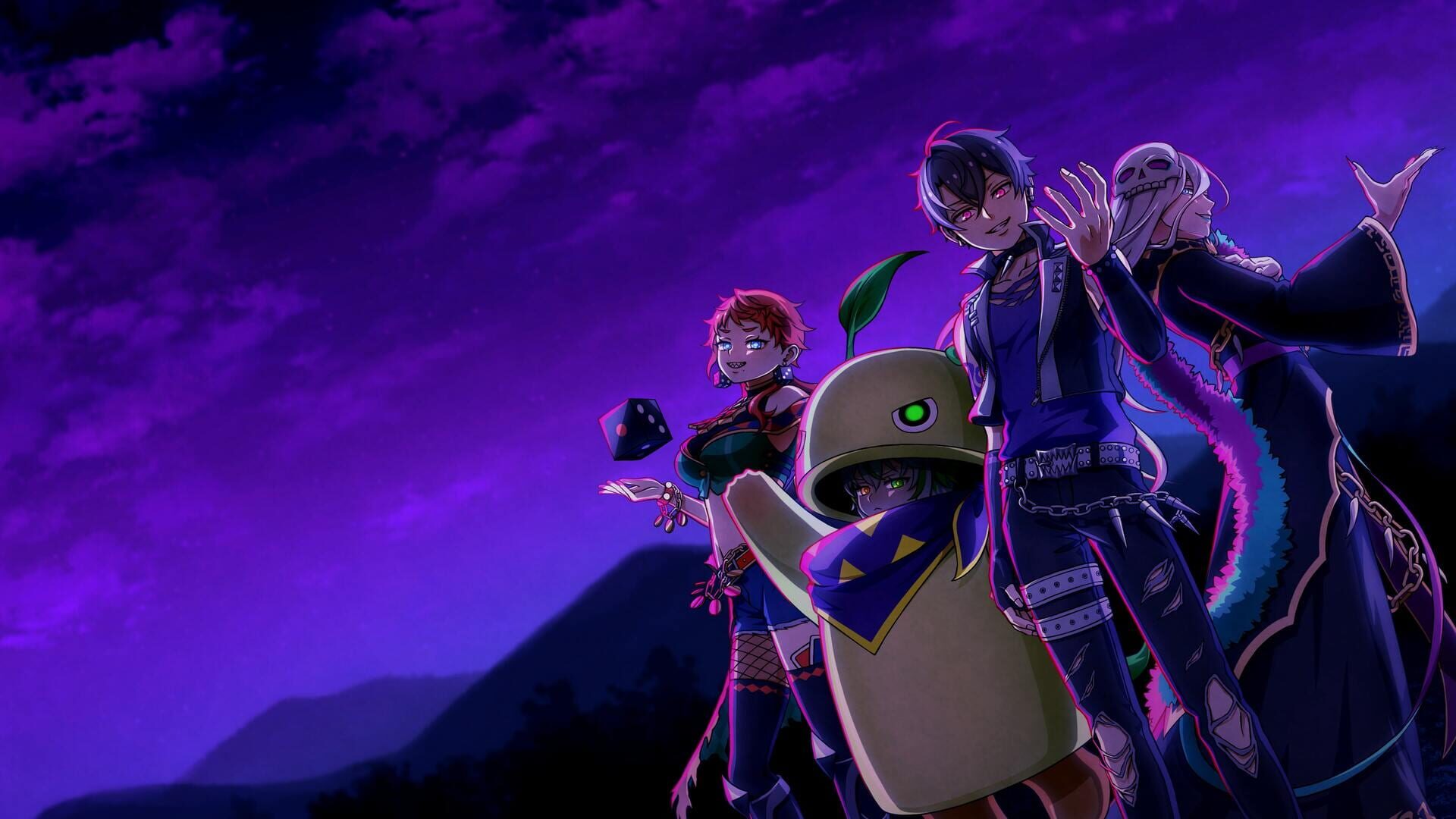
Isekai Villain arrives on the Nintendo Switch as a $20 JRPG that sets out to subvert genre conventions by placing the protagonist inside a villain base rather than a traditional hero's journey.
Quick Facts
- Platform: Nintendo Switch
- Price: $20 with additional premium purchase options
- Core Gameplay: Turn-based combat, dungeon exploration, and item management
How the Isekai Premise Plays Out
The game opens when an ordinary webcomic reader falls into a sewer and awakens inside a villain group's base midway through the story. The initial setup gives the protagonist motivation to escape before the hero destroys the faction, using plot knowledge to navigate missions assigned by villain boss Madre.
While the isekai concept is incorporated fairly well early on as player choices alter the narrative, the villain theme falls flat elsewhere. Aside from opening chests in other people's homes to gain notoriety points, players ultimately undertake heroic missions to protect the country and align with standard JRPG tropes.
Combat and Dungeon Design Findings
Dungeon exploration and turn-based combat remain standard throughout the experience. Maps consist of straightforward paths with occasional dead ends housing collectable chests, while final areas introduce minor teleport layouts that add slight navigational challenge.
Combat relies on basic attacks that reviewers found easy to sweep through.
Convoluted Systems and Monetization
Character and weapon progression require managing multiple currencies—including gold, evil stones, and dark coins—alongside scrap and upgrade stones. this upgrade loop as heavily convoluted and bogged down by admin tasks.
Compounding these mechanical hurdles is a premium track that offers extra items for additional real-world money. Reviewers expressed disappointment at feeling pushed toward extra spending despite having already purchased the base game.
Localization and Story Concerns
The narrative delivery also takes a hit due to translation issues. clunky dialogue with poor translations that have a jarring effect on the experience, alongside lengthy cutscenes that miss opportunities to let players make choices or influence character relationships.