
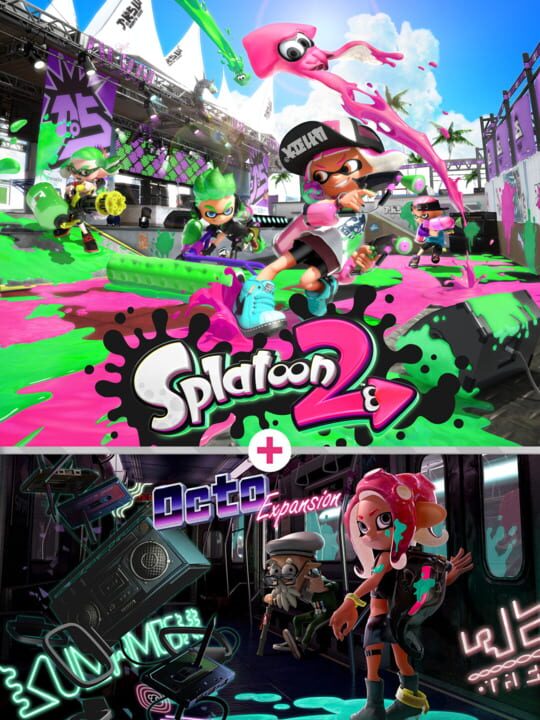
When Splatoon arrived on the Wii U in May 2015, it represented a significant departure for Nintendo. The company, typically reliant on established franchises, ventured into the online-focused multiplayer shooter genre with little prior experience. On a console with a limited installed base, the game was considered a high-stakes gamble.
Quick Facts
- Original Launch: May 2015 on Wii U.
- Market Performance: Sold to more than one in three Wii U owners.
- Content Growth: Expanded from 5 maps at launch to 16 total stages.
- Event Strategy: Featured tri-weekly 'Splatfest' community events.
A Focus on Accessible Competition
Splatoon’s success was largely attributed to Nintendo’s focused post-launch support. While the game launched with a limited selection of five maps and one game type, it received consistent free updates over eight months. This strategy included the introduction of new ranked modes like Tower Control and Rainmaker, alongside weapon variety ranging from buckets to gatling guns.
Nintendo utilized a rotating map system, limiting players to two stages at any given time. This design choice, while restrictive, ensured that matchmaking waits remained low—often under a minute—even with the Wii U's smaller hardware reach. By refreshing these rotations every four hours, the game avoided the common shooter issue where players gravitate toward a narrow selection of popular maps.
The Role of Splatfests
The Splatfests served as a primary driver for player retention. These 48-hour events encouraged players to align with specific teams, such as the debate between tuna mayonnaise and red salmon in Japan, which drew nearly 800,000 participants. The events were presented with a sense of ceremony, with the in-game plaza changing to reflect the ongoing competition, effectively creating a recurring reason for players to return to the game.
By prioritizing a consistent, clear vision—avoiding microtransactions and voice chat while focusing on immediacy—Nintendo maintained a stable, active community long after the game's initial release. This approach allowed the title to remain relevant on the Wii U and established a foundation for the series' longevity as it transitioned into the Nintendo Switch era.