
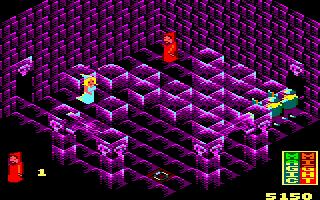
A recent gaming news analysis has highlighted how Warlock adapts classic tabletop mechanics, offering a fresh take on D&D magic systems for PC players. For those following action video games in 2026, the translation of tabletop spellcasting into real-time gameplay provides a distinct mechanical approach.
The core appeal of the system centers on how players interact with magical abilities, echoing the resource management and thematic flavor of traditional role-playing rulesets. Rather than relying on standard fantasy tropes, the mechanics draw heavily from the recognizable identity of Warlock magic, offering a compelling reason for players to engage with its particular brand of arcane combat.
How the Warlock D&D Magic System Operates
Adapting tabletop rules into a PC action environment requires balancing pacing with tactical choice. The magic system focuses on high-impact spells and distinct resource limitations, mirroring the specific casting identity found in fifth-edition rules. Players navigating this setup will find that spell selection carries weight, altering combat encounters dynamically rather than serving as routine button-mashing.
This approach addresses a common hurdle in action RPG design: making magic feel powerful without overwhelming the core gameplay loop. By tying casting mechanics closely to the thematic identity of a pact-bound spellcaster, the game creates a distinct mechanical identity separate from standard wizard or sorcerer archetypes.
What This Means for PC Players
For PC gamers evaluating the title, the primary takeaway is the depth of mechanical translation. The focus on D&D-inspired magic gives fans of tabletop rule sets an engaging interactive framework. Whether these systems hold up across extended play sessions will depend on the broader encounter design, but the initial look at the magic system points to a faithful and thoughtful adaptation.