
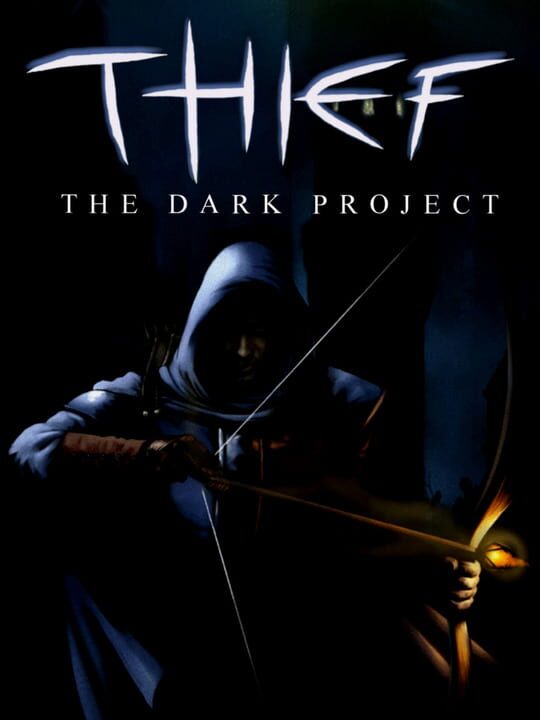
When diving into video games and industry economics, the scale of a project often dictates its survival. According to Randy Smith Evergreen, a designer on Thief: The Dark Project, the immersive sim genre may be fundamentally unsuited for the multi-million dollar demands of modern triple-A development. Speaking to industry outlets in 2026, Evergreen shared his perspective on why aiming for massive blockbuster budgets is a misread of what immersive sim players actually want.
The Budget Trap of Modern Immersive Sims
Historically, immersive sims have carved out a dedicated following without ever pulling in explosive, mainstream sales figures. Despite this niche appeal, Evergreen notes that modern developers creating entries in the genre often find themselves in an unintended arms race. Studios attempt to position these games alongside massive open-world titles like Ghost of Tsushima and GTA 6, requiring them to capture broad public attention to recoup their massive costs.
From Evergreen's perspective, trying to force immersive sims into the triple-A space simply does not work financially. Instead, developers would find more sustainable success by pursuing a triple-I or double-A business model.
Why Mid-Budget Development Fits the Genre
Supporting a shift toward smaller scopes, Evergreen points to the roots of the genre. The original Thief: The Dark Project operated on a $3 million budget, which equates to roughly $6 million adjusted for inflation. In today's market, a game built on a $6 million budget is not expected to sell the same astronomical number of copies as a $250 million production from a massive studio.
By scaling down to a $3 million to $10 million budget, passionate teams led by experienced immersive sim developers could produce tighter, more focused experiences more quickly. This approach avoids the high-stakes financial pressure that forces studios to close when a game fails to become a number-one bestseller.