
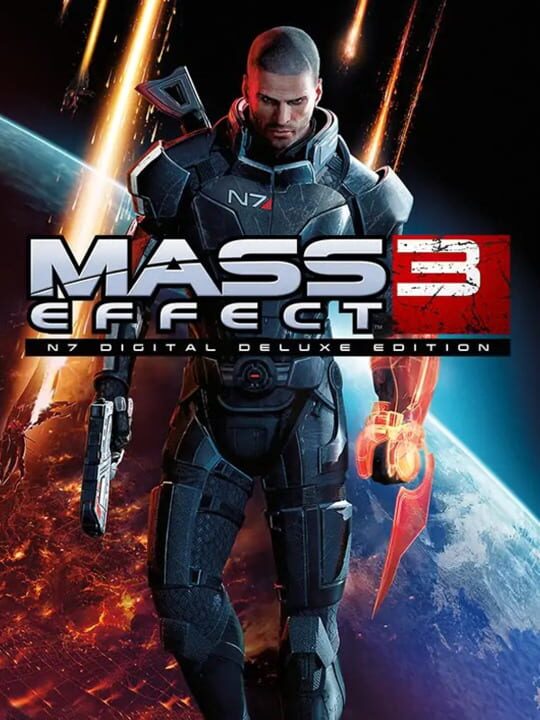
It's been over a decade since Mass Effect 3 launched, bringing a wave of discussion regarding its concluding moments. When the game arrived roughly six months after Deus Ex: Human Revolution, players noticed a remarkably similar structure: three games' worth of agonizing decisions resolved by a mechanistic button press while an AI explained the differences.
The Ending Structure and Choices
That particular finale format proved polarizing. Three games of choices came down to simple mechanical options at the very end. The original three paths presented to players included:
- Destroy: Wipe out the Reapers, with the heavy downside that all synthetic life, including the geth and EDI, is also destroyed.
- Control: Take control of the Reapers, requiring Shepard to become one of them.
- Synthesis: Merge all organic and synthetic life in the galaxy together using space magic.
The controversy remained a distinct pain point for the community even after BioWare released the free extended cut DLC. That update expanded the existing conclusions to add more context and satisfaction, while also introducing a fourth option allowing players to refuse to make any choice at all as a rejection of the arbitrary concept.
Looking Back Without the Frustration
Now that enough time has passed for blood pressures to drop, revisiting the trilogy reveals how players handle those final decisions. Whether you opted to wipe out the machines, take the helm, merge the galaxy, or walk away entirely by refusing the choice, the finale remains one of the most discussed narrative wrap-ups in modern gaming history.