
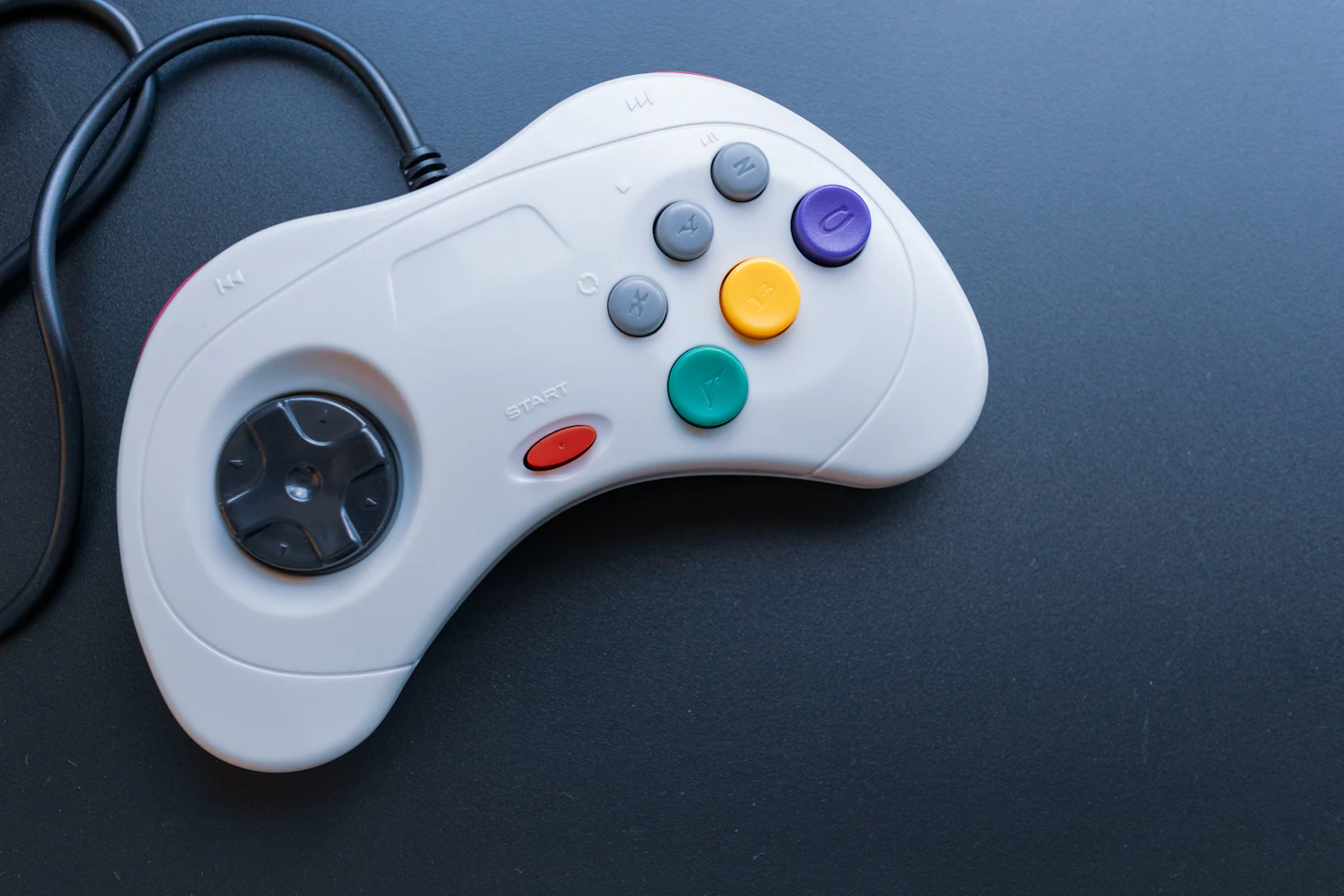
Console hardware sales in the United States dropped to their lowest July figures since 2020, according to data released by Circana. Industry analyst Mat Piscatella confirmed that overall hardware spending saw a 39% decline compared to July 2025, driven by a combination of cyclical market factors and ongoing supply chain instability.
The Impact of the Component Crisis
While the market is still adjusting following the high-profile launch of the Nintendo Switch 2 in June 2025, Piscatella notes that the downturn is not purely cyclical. Manufacturers are struggling with a severe shortage of components, particularly RAM, which is being heavily diverted to satisfy the needs of data centers. This scarcity has forced the average price of a gaming system up by 16%.
Current Market Challenges
- Rising Costs: The average cost of a console has increased by 16% due to the RAM and component crisis.
- Retail Pricing: High-end PlayStation 5 models are currently retailing for $899.99, with base models priced at $599.99.
- Manufacturer Losses: Xbox reported a loss of approximately $1.6 billion over the last financial year, while Sony has stated that PlayStation 5 sales are currently lagging behind the historical lifespan performance of the PlayStation 4.
Upcoming Changes
The hardware market faces further shifts as the year progresses. Nintendo has officially scheduled a price hike for the Switch 2 hardware, which will take effect on September 1, 2026. While industry analysts expect potential movement in hardware sales during the upcoming Christmas period—partly driven by the release of Grand Theft Auto 6—it remains unclear if these sales will be sufficient to offset the current financial strain on console manufacturers.