
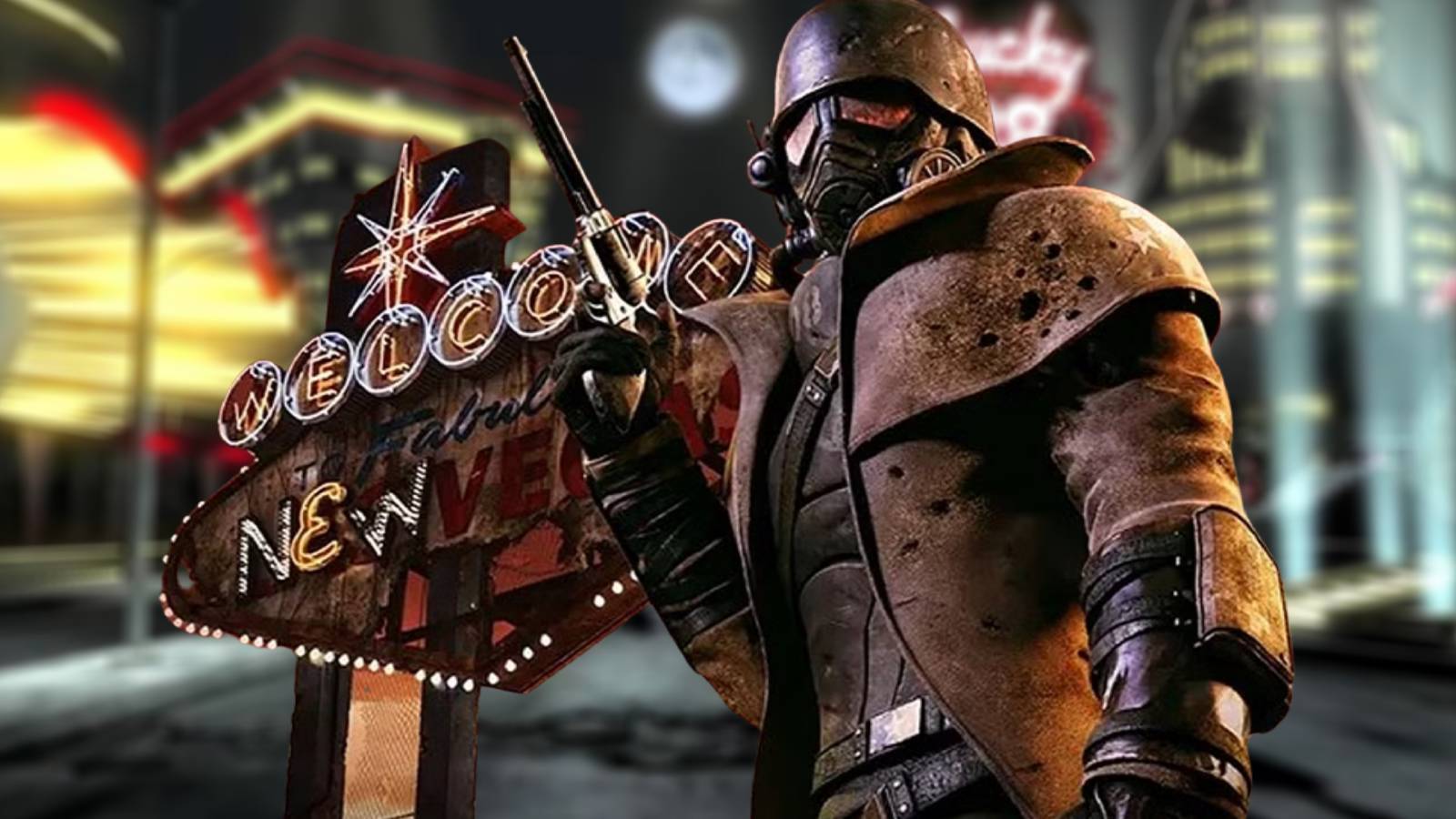
Even years after its 2010 release, Fallout: New Vegas remains a benchmark for how RPG mechanics can be woven into the fabric of a world. Developed by Obsidian Entertainment and published by Bethesda, the game avoids the common pitfall of making roleplaying feel like a chore, instead ensuring that your character's stats and choices feel like a natural extension of the gameplay.
Skills Beyond the Spreadsheet
In many RPGs, skills are relegated to combat math. In New Vegas, they are tools for interaction. Your character build doesn't just dictate how well you shoot; it influences how you talk to people. A low-Intelligence build, for instance, opens up entirely different, often humorous dialogue paths that aren't available to a more cerebral Courier. Because these systems are integrated into the world rather than locked behind a rigid class structure, the game encourages you to experiment with your identity.
A Reactive World of Factions and Disguises
The game’s approach to morality is a departure from the generic 'good vs. evil' meters seen in many of its contemporaries. Instead, New Vegas uses a Faction Reputation system. Your standing with the NCR, the Legion, and others shifts based on your actions, and the world reacts accordingly. You might be welcomed in one camp and shot on sight in another based solely on your history.
This reactivity extends to clothing. The game treats uniforms as legitimate tools for espionage. By wearing the gear of a specific faction, you can often infiltrate restricted areas or bypass hostile encounters. It is a simple but effective example of cause-and-effect that makes the wasteland feel like a living space where your choices matter.
The Freedom of a Blank Slate
The Courier is one of the most effective protagonists in the genre precisely because they are a blank slate. By keeping their backstory vague—partly explained away by the trauma of being shot in the head—the game gives you the freedom to project any history you want onto your character. This is paired with an open-ended approach to gear; you are never restricted by class, meaning you can wield sledgehammers, miniguns, or energy weapons regardless of your build.
Consequences and Survival
Perhaps the most defining trait of New Vegas is that no one is truly safe. With few exceptions, such as companions, children, and Yes Man, almost every NPC can be killed. If you decide to take out a faction leader, the game doesn't break; it adapts, often locking you out of specific quests while opening others. This creates a high degree of narrative freedom.
This freedom is tested further in Hardcore mode, which introduces survival mechanics like hunger, thirst, and sleep deprivation. By forcing you to manage your supplies and carefully plan your routes through the Mojave, the game turns basic survival into a core part of the roleplaying experience. It is this commitment to integrating systems with the narrative that keeps Fallout: New Vegas relevant for players on PC, Xbox, and PlayStation even today.
Why Fallout: New Vegas Remains the Gold Standard for Choice in 2026Action
Why Fallout: New Vegas Still Feel More Reactive Than Most Modern RPGs...Action
Fallout: New Vegas Development Trivia 2026: Why That Psycho Ending Sl...Action
Fallout New Vegas Legal Issues: Obsidian and Bethesda Trademark Disputes