
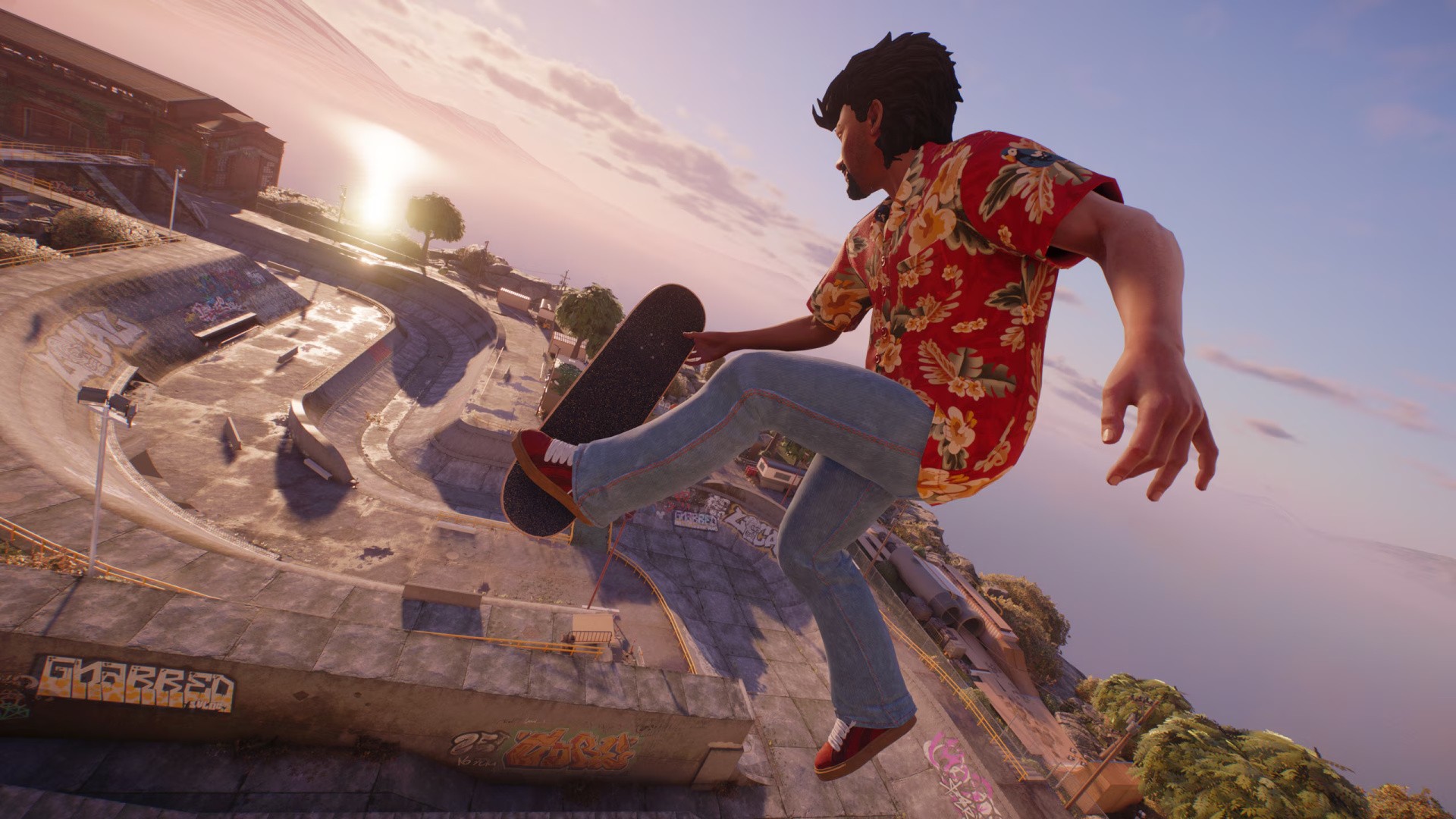
The upcoming launch of Skate Season 3 in March 2026 has generated significant discussion within the gaming community. While initial impressions suggest the new content Looks Cool, industry analysts and long-time fans acknowledge that it May Be an Uphill Battle for the multi-platform title to truly Win Back Fans. This latest season represents a critical juncture for the franchise, which has been in development for several years, facing the high expectations set by its predecessors.
The original `skate.` game, released on January 20, 2010, achieved critical acclaim, earning a Metacritic score of 86. It was available on PC, Xbox One, Xbox 360, and PlayStation 3, quickly establishing itself as a genre leader in action sports. Its unique 'Flickit' control scheme and realistic physics engine offered a distinct experience that resonated deeply with players, moving away from the more arcade-style approach of other skateboarding titles. The game's success created a dedicated fanbase that has eagerly awaited a true successor, setting a high benchmark for any new iteration.
The Legacy of Skate: A High Bar for 2026's Iteration
The original `skate.` was not merely a game; it was a cultural phenomenon within the skateboarding and gaming communities. Its innovative controls allowed for a level of precision and immersion previously unseen, making every trick feel earned. The open-world environment, coupled with robust online multiplayer and replay features, fostered a vibrant community that shared clips and challenged each other. This rich history means that the current multi-platform 'Skate' game, and specifically its Season 3 update, carries the weight of significant player nostalgia and expectation. For many, the question of "is Skate worth it 2026" will hinge on its ability to recapture that original magic while innovating for a modern audience.
The transition from a traditional, boxed product to a live-service model for the new 'Skate' game introduces a different set of challenges and opportunities. While the original `skate.` delivered a complete experience at launch, the modern 'Skate' is designed for ongoing content delivery, including seasonal updates like the one arriving in March 2026. This model necessitates continuous engagement and a steady stream of new features, maps, gear, and challenges to keep players invested over time. The success of this approach depends heavily on the quality and frequency of these updates, as well as the underlying monetization strategy.
Skate Season 3: What Looks Cool and Current Expectations
Reports and previews surrounding Skate Season 3 indicate a focus on expanding the game's existing world and introducing new gameplay elements. While specific details on what makes this season "look cool" are often subjective, industry trends suggest improvements in graphical fidelity, new areas to explore, enhanced character customization options, and potentially new trick mechanics or challenges. For a game aiming to release new content in 2026, players anticipate a polished experience that leverages current-generation hardware capabilities across all platforms.
The "Season" model implies a structured release of content, often accompanied by a battle pass system or other forms of in-game purchases. This approach, common in many free-to-play or live-service titles, allows for continuous development but also raises concerns among players regarding fair monetization and the potential for pay-to-win elements, or excessive cosmetic costs. In Game News has observed that player sentiment often hinges on the balance between accessible content and optional purchases. The success of Skate Season 3 will largely depend on its ability to offer compelling free content alongside any premium offerings, ensuring that the core gameplay experience remains rewarding for all players.
Key Considerations for Skate (2026) to Succeed
- Authentic Physics and Trick System: Replicating or evolving the beloved 'Flickit' controls and realistic physics is paramount to satisfying returning fans.
- Fair and Transparent Monetization: Avoiding predatory practices and offering value for money in any battle passes or cosmetic items.
- Robust Community Features: Providing tools for players to create, share, and interact, much like the original game fostered a strong community.
- Consistent Content Updates: Delivering meaningful new maps, challenges, and gear beyond Season 3 to maintain long-term player engagement.
- Performance and Stability: Ensuring a smooth, bug-free experience across PC, Xbox, and PlayStation, addressing any technical issues promptly.
The Uphill Battle: Winning Back a Dedicated Fanbase
The journey to Win Back Fans for the 'Skate' franchise is indeed an Uphill Battle. A significant gap between the last mainline installment and the new 'Skate' means that player expectations have intensified. Many veteran players harbor strong attachments to the original game's feel and philosophy. Any deviation from that core identity, particularly concerning gameplay mechanics or monetization, risks alienating the very audience the new game aims to attract. The question of "when does Skate come out" has been answered with a live-service model, which inherently changes the player-game relationship.
Player trust is a valuable commodity, and rebuilding it often requires more than just visually appealing updates. Developers must demonstrate a deep understanding of what made the original `skate.` so special, while also proving that the new live-service model can coexist with that legacy. This involves transparent communication with the community, actively listening to feedback, and making adjustments based on player sentiment. For instance, PC players on Steam, known for their vocal communities, will be scrutinizing every patch and update for improvements and adherence to core gameplay principles.
Multi-Platform Strategy and Player Experience
The decision to launch 'Skate' as a multi-platform title across PC, Xbox, and PlayStation consoles broadens its potential audience but also introduces complexities. Ensuring a consistent and optimized experience across diverse hardware configurations is a significant technical undertaking. Each platform's player base may have unique expectations regarding performance, graphical fidelity, and online integration. For example, PlayStation users might compare it to other console-exclusive sports titles, while PC players will expect robust customization options and high frame rates. In Game News has previously reported on the challenges developers face in balancing these demands, and the success of the Skate franchise will depend on its ability to deliver on all fronts.
The Road Ahead for Skate in 2026
As Skate Season 3 approaches in March 2026, the focus for the franchise remains squarely on player reception and long-term engagement. While the visual appeal and promise of new content may initially draw attention, the sustained success of 'Skate' will ultimately be determined by its ability to deliver a satisfying, authentic skateboarding experience that respects its heritage while embracing modern gaming trends. The developers face the dual challenge of attracting new players to a live-service ecosystem and reassuring a dedicated, discerning fanbase that the spirit of `skate.` remains intact.
The conversation around "Skate honest review 2026" will undoubtedly center on these critical aspects: the integrity of the gameplay, the fairness of its monetization, and the commitment to ongoing, high-quality content. The developers have an opportunity with Season 3 to demonstrate their vision and address lingering concerns, proving that the effort to Win Back Fans is a genuine commitment rather than just a marketing slogan. The months following this release will be crucial in shaping the narrative for the future of the 'Skate' franchise.