
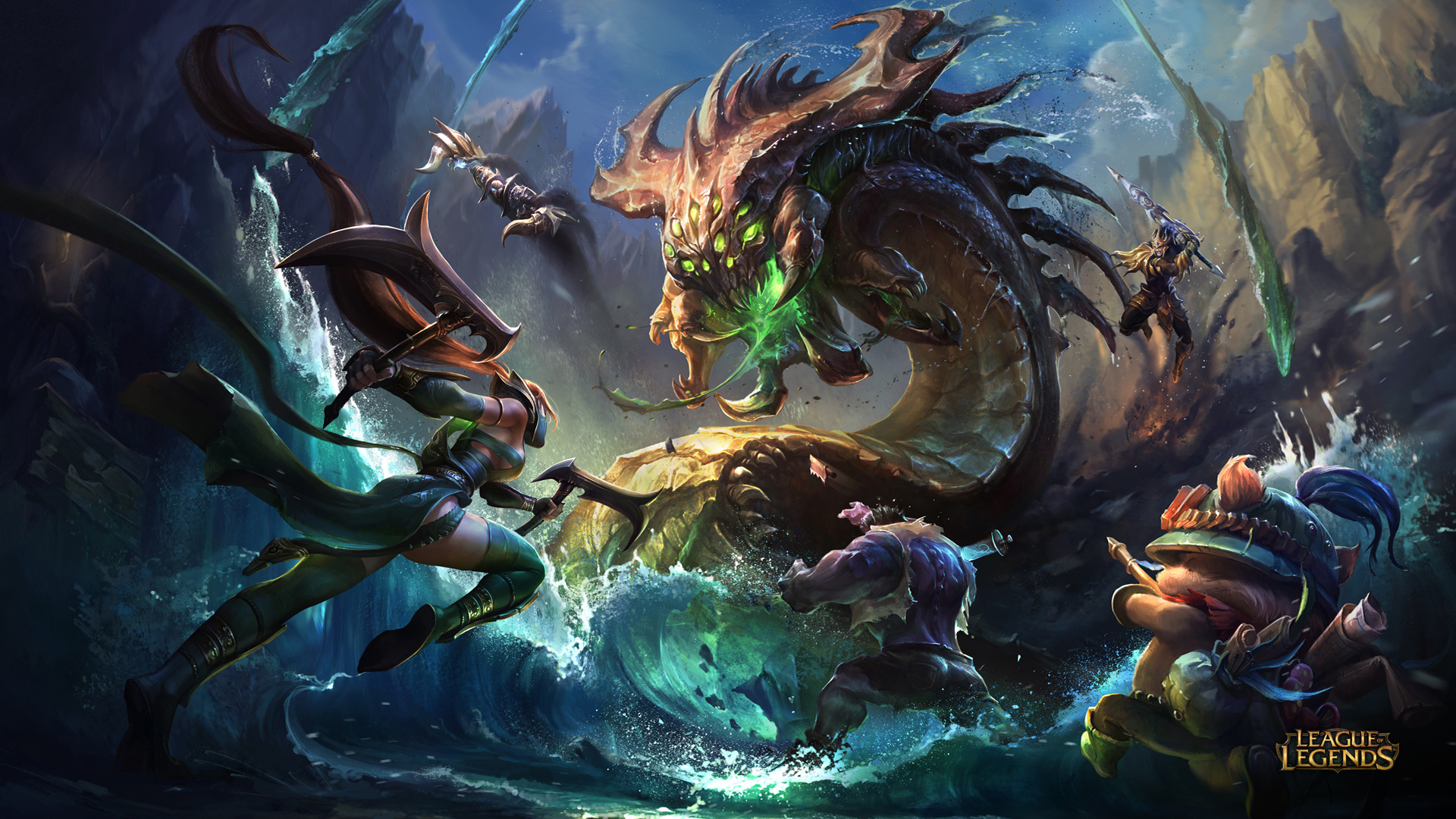
- The Core Issue: Recent skin releases, including the Firecracker and Love Confession lines, have rendered iconic champions unrecognizable to veteran players.
- Identity Crisis: Riot Games is accused of trading champion "source of power" and unique silhouettes for generic, aesthetic-heavy designs.
- Riven Controversy: The Wild Rift exclusive "Love Confession Riven" has seen massive backlash for erasing the champion's Noxian heritage and rugged features.
- Broader Industry Trend: A shift toward "same face syndrome" and gacha-esque monetization is alienating the core player base.
The Death of Skin Clarity
We’ve reached a point where even players with a decade of experience—nearly "200 years" combined if you count the duos—can’t identify the champions on their own loading screens. It’s a recurring nightmare for the meta: you look at a splash art for Firecracker Ashe or Caitlyn and come up blank. When the art is so detached from the character that it could be any generic gacha protagonist, the game has a clarity problem. We believe Riot is prioritizing "gorgeous looking art" over actual game integrity. If a skin works better as a Wallpaper Engine backdrop than a recognizable game asset, it misses the mark entirely.
Love Confession Riven: A Case Study in Character Erasure
The latest offender, Wild Rift’s Love Confession Riven, is being called out for what it is: ragebait. Riven is supposed to be a battleworn swordmaster with sharp features and Noxian grit. Instead, we got a design that looks "more BTS than battleworn." The iconic white body markings and sun-baked skin tone are gone, replaced by a generic facial structure that looks more like a K-Pop idol than the Exile we know. Even her runic blade, which Riot previously stated should "highlight a champion's source of power," has lost its heft. It looks "dainty," failing to convey the weight and power central to her kit.
The "Same Face Syndrome" Pandemic
This isn't an isolated incident. From the angular facial features of Prestige Winterblessed Mel to the recurring "man with dark hair and a white streak" trope seen in Petals of Spring Jayce, Riot is falling into the trap of "same face syndrome." We’re seeing a homogenization of character models—largely female—that erodes the unique identities that drew us to Runeterra in the first place. Whether it’s to lure in Arcane fans or bait the whales with weekly skin roulettes, the result is the same: the champions are paying the price for the brand's lack of focus.
IGN’s Take: A Game in Flux
It’s hard to stay hyped for a game that doesn't seem to understand its own characters anymore. Between the aggressive push for gacha-esque microtransactions and a total disregard for silhouette recognition, League of Legends is losing the "spark" that made it a high-octane, character-focused MOBA. We’ve seen players who used to live in the rift now struggling to make it their "staple nighttime game." If Riot wants to keep its veterans, it needs to stop chasing the "wallpaper" aesthetic and return to the rugged, cohesive identity that made these champions icons in the first place. As one Reddit commenter put it regarding the Riven skin: "I'm sure this girl's great, but she isn't my Exile."
Common Questions
- Why is the Love Confession Riven skin controversial?
- The skin is facing backlash for erasing Riven's Noxian heritage and rugged character features in favor of a generic aesthetic.
- What is the 'skin clarity' problem described in the article?
- Veteran players are finding it difficult to identify champions like Ashe and Caitlyn on loading screens because new skins look too similar to generic gacha characters.
- What design trend is the player base currently concerned about?
- The community is concerned about 'same face syndrome' and a shift toward gacha-esque monetization that prioritizes art over gameplay integrity.