
Last Updated: October 13, 2025
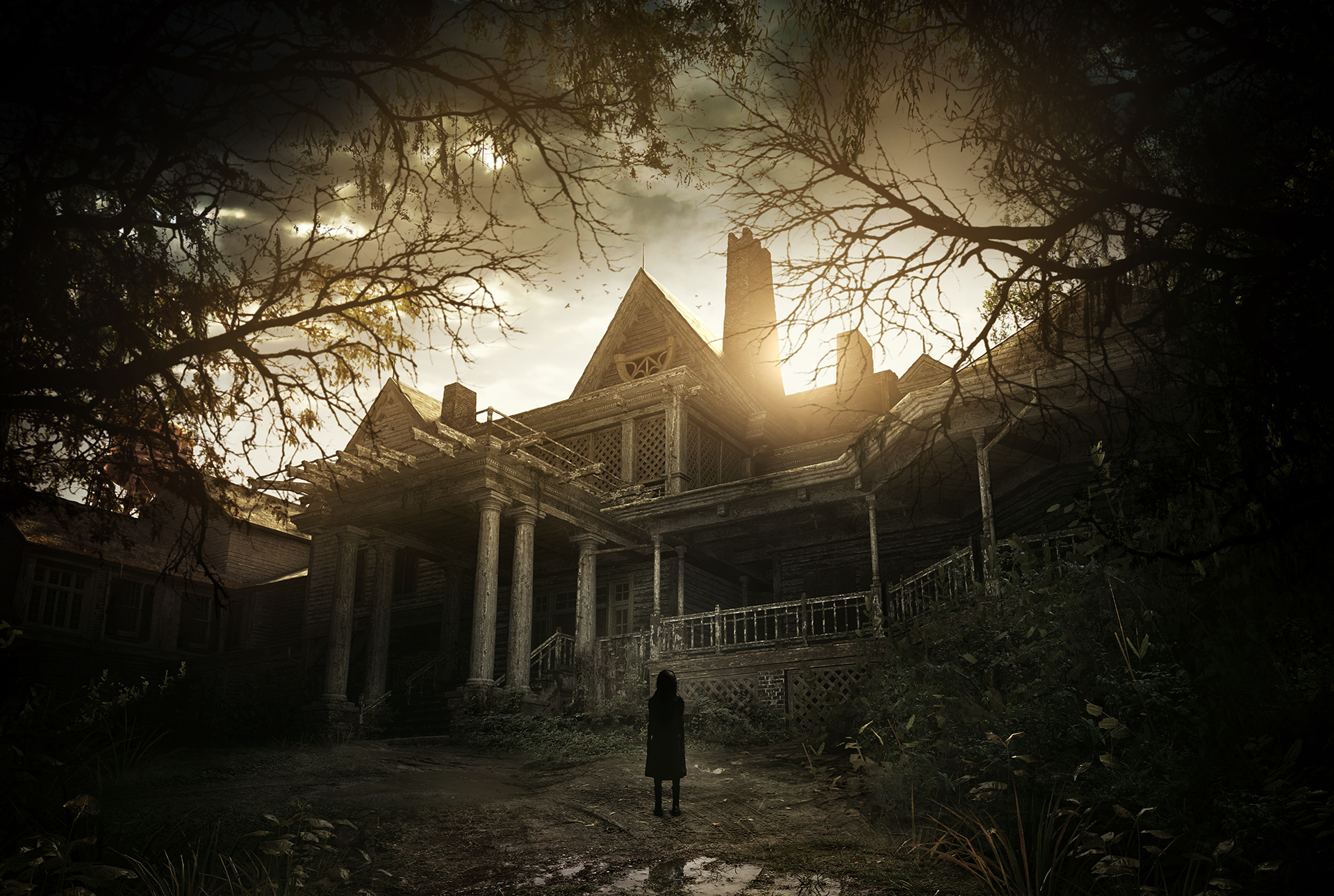
Capcom's enduring commitment to the Nintendo ecosystem has seen the iconic Resident Evil franchise maintain a significant, albeit varied, presence on Switch consoles. While the original article speculated about a "Nintendo Switch 2" and native ports of modern titles like Resident Evil 7, Village, and a mysterious "Requiem," the reality on the current Nintendo Switch has been a mix of classic native experiences and modern cloud-streamed versions. This ongoing relationship highlights both the challenges of bringing graphically intensive games to portable hardware and the persistent demand for survival horror on Nintendo platforms.
This article delves into the historical context of Resident Evil on Nintendo, analyzes the current state of its offerings, and explores the potential implications should a next-generation Nintendo console, often rumored as the "Switch 2," eventually materialize.
A Look Back at Resident Evil on Nintendo
The relationship between Resident Evil and Nintendo consoles has been a complex one, evolving significantly over the years. While the series initially found its footing on Sony's PlayStation, Nintendo platforms have played a role, sometimes a secondary one, but often a crucial one for specific releases. The GameCube notably received exclusive titles like Resident Evil Zero and the groundbreaking Resident Evil Remake, setting a high bar for the series' visual fidelity at the time.
On the current Nintendo Switch, Capcom has delivered a substantial library of Resident Evil games. Fans can enjoy native, full-fledged ports of several classic entries, including Resident Evil HD Remaster, Resident Evil 0 HD Remaster, Resident Evil 4, Resident Evil 5, Resident Evil 6, Resident Evil Revelations, and Resident Evil Revelations 2. These titles offer the complete survival horror experience directly on the console, whether docked or in handheld mode, without relying on an internet connection.
However, bringing the most recent, graphically demanding entries to the Switch has presented a different challenge. Titles like Resident Evil 7: Biohazard, Resident Evil Village, Resident Evil 2 Remake, Resident Evil 3 Remake, and Resident Evil 4 Remake are available on the Nintendo Switch exclusively as cloud versions. This approach allows Switch players to access these cutting-edge games, powered by Capcom's formidable RE Engine, by streaming them over an internet connection. While this offers accessibility, it comes with the inherent caveats of cloud gaming, such as reliance on stable bandwidth and potential input lag.
The Significance of Cloud vs. Native Ports
The decision to release cloud-based versions of the modern Resident Evil games for the Nintendo Switch was a pragmatic one, acknowledging the current console's hardware limitations while still catering to player demand. The RE Engine, known for its stunning visuals and immersive environments, pushes the boundaries of graphical fidelity. Running these titles natively on the current Switch would necessitate significant compromises in resolution, frame rate, and visual effects, potentially diminishing the intended horror experience.
Cloud streaming bypasses these hardware constraints, allowing the games to run on powerful remote servers and stream the video output to the Switch. This strategy has enabled a wider audience to experience the latest Resident Evil sagas. However, the ideal scenario for many players remains a native port – a version of the game fully installed and running on the console itself. Native ports offer consistent performance, no reliance on internet connectivity, and often superior visual quality and responsiveness compared to streaming. The aspiration for native versions of modern Resident Evil titles on a Nintendo platform remains a strong desire within the community.
Market Trends and the Enduring Appeal of Survival Horror
The survival horror genre has enjoyed a significant resurgence in recent years, with numerous titles achieving both critical and commercial success. The enduring appeal of the genre lies in its ability to combine intense action with psychological thrills, creating a unique gaming experience that caters to a wide range of players. The Resident Evil series, in particular, has consistently innovated within this space, from its fixed-camera origins to its modern first-person perspectives and remakes that redefine classic scares.
The availability of both classic native ports and modern cloud versions on the Nintendo Switch underscores the platform's role in this resurgence, introducing the genre to a new generation of gamers who value portability and Nintendo's unique appeal. The success of these titles, even in their cloud-streamed format, demonstrates a robust market for mature, high-quality horror experiences on Nintendo consoles.
Technical Implications and Expectations for a Future Console
The successful execution of cloud streaming for modern Resident Evil titles on the current Switch has been a testament to Capcom's technical expertise and the advancements in streaming technology. However, the ultimate goal for many fans is a truly powerful Nintendo console capable of running these games natively.
Rumors and speculation about a "Nintendo Switch 2" have been circulating for years, with many industry watchers anticipating a potential release sometime in 2025. Such a console is expected to feature significantly upgraded processing power and graphical capabilities. If these rumors prove true, a next-generation Nintendo console could finally bridge the gap, allowing for full-fledged, native ports of RE Engine-powered games like Resident Evil 7, Village, and the acclaimed remakes, without the compromises inherent in cloud streaming. Optimizing the RE Engine for such hardware would still be a challenging undertaking, but the potential for a high-fidelity, portable, native Resident Evil experience would be immense.
The Future of Resident Evil on Nintendo
The current state of Resident Evil on Nintendo Switch, with its blend of native classics and cloud-streamed modern blockbusters, represents a transitional phase. It signals Capcom's commitment to the platform and its players, offering a taste of the latest horrors while acknowledging hardware limitations.
The potential arrival of a "Nintendo Switch 2" or a similarly powerful successor could usher in a new era for the franchise on Nintendo. It would likely enable the full, uncompromised native experience that fans crave for modern Resident Evil titles, further strengthening the relationship between Capcom and Nintendo. This move would not only cater to existing fans but also potentially attract a new demographic of players who prioritize native performance and the unique features of Nintendo consoles.
Conclusion
The journey of Resident Evil on Nintendo consoles has been one of adaptation and innovation. From exclusive GameCube titles to a diverse library on the current Switch, Capcom has consistently sought to bring its iconic survival horror to Nintendo players. While modern entries currently rely on cloud streaming, the enduring appeal of the genre and the persistent rumors of a more powerful "Nintendo Switch 2" fuel anticipation for a future where high-fidelity, native Resident Evil experiences are a standard on Nintendo platforms. The success of current offerings, coupled with the promise of future hardware, suggests a vibrant and terrifying future for Resident Evil on Nintendo.