
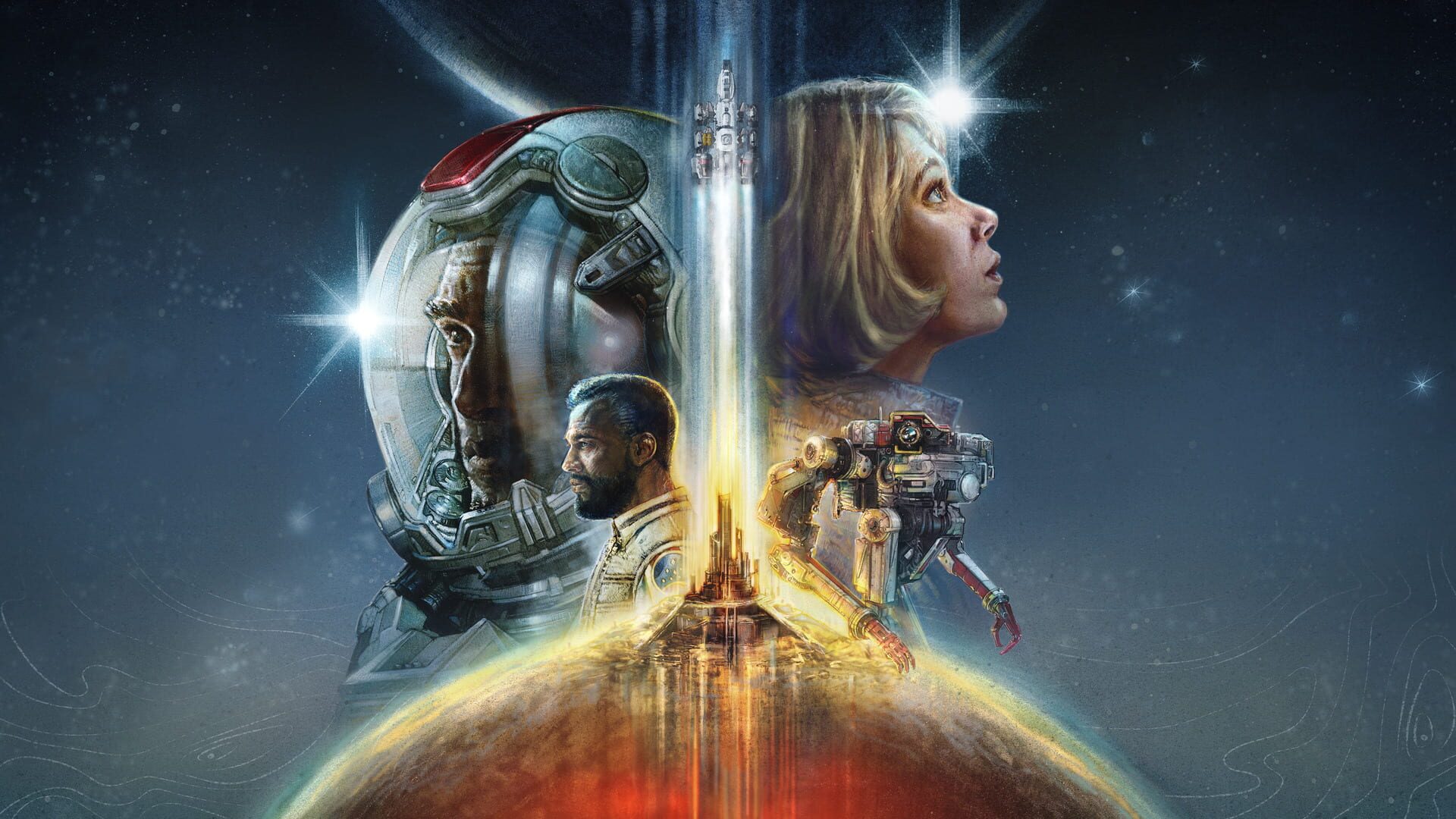
When Phil Spencer took over the Xbox brand in 2014 following the underperformance of the Xbox One, he introduced a subscription service designed to offer a catalogue of games for a monthly fee. Fast-forward a decade, and successive waves of subsidiary layoffs and missed targets have brought the viability of Xbox Game Pass into question. While the concept of a steady stream of games for an affordable price attracted subscribers early on, a combination of shifting consumer habits and high-profile misses like Bethesda's Starfield hindered the service's long-term success.
Quick Facts
- Game: Starfield
- Metacritic Score: 88
- Release Date: September 6, 2023
- Platforms: PC, Xbox Series S/X
The Shift in the Attention Economy
Spencer and the Xbox team underestimated how quickly player behavior would change. Instead of cycling through multiple games each year, modern gamers often gravitate toward 'forever games'—popular competitive multiplayer titles like Fortnite, Warzone, or League of Legends that friends play regularly. Because these titles often operate on a free-to-play model, players have less need or time for a subscription service.
Additionally, market oversaturation played a role. Consumers are increasingly selective about how many monthly subscriptions they maintain, often prioritizing services like Netflix and Spotify over Game Pass. Short-form content platforms like TikTok further compete for attention, reducing the mental energy consumers are willing to spend learning new video games.
Heavy-Hitters and Heavy Losses
Beyond changing consumer habits, Xbox and its acquired subsidiaries struggled to deliver the consistent lineup of games required to sustain a subscription service. Acquiring Bethesda—the studio behind Skyrim and Fallout 3—seemed like a guaranteed win for Xbox Series X/S exclusivity. However, Starfield took over a decade to develop and turned out to be a misstep, breaking Bethesda's long-standing track record.
Other major Xbox properties faced similar challenges. Arkane Austin's Redfall resulted in a critical misfire after over two decades of acclaimed projects. Meanwhile, 343 Industries (now Halo Studios) and The Coalition struggled to recapture the magic of their respective franchises, with Halo Infinite launching unfinished and failing to retain a broad community outside of competitive players. Aside from reliable performers like Playground's Forza Horizon series, a pattern of mediocre releases raised questions regarding management and studio autonomy under Xbox Game Studios.
The Struggle for Low-Budget Gems
Xbox also targeted the creation of 'Game Pass games'—smaller projects that players might not purchase outright but would enjoy on a subscription service. Acquisitions of studios like Double Fine, Ninja Theory, and Compulsion Games aimed to fill this gap. However, titles such as Hellblade 2 and South of Midnight turned into multi-year development cycles that ran up triple-A costs without equivalent brand recognition.
Notable exceptions included Obsidian's Pentiment, developed by a tiny team, and Grounded, which proved both critically and commercially successful on the service. Yet these gems remained too scarce to carry the platform. Even the late-stage acquisition of Activision-Blizzard and the addition of Call of Duty: Black Ops 6 to Game Pass served as a final gambit, though it risked losing guaranteed full-price revenue from players who would have otherwise bought the game directly.