
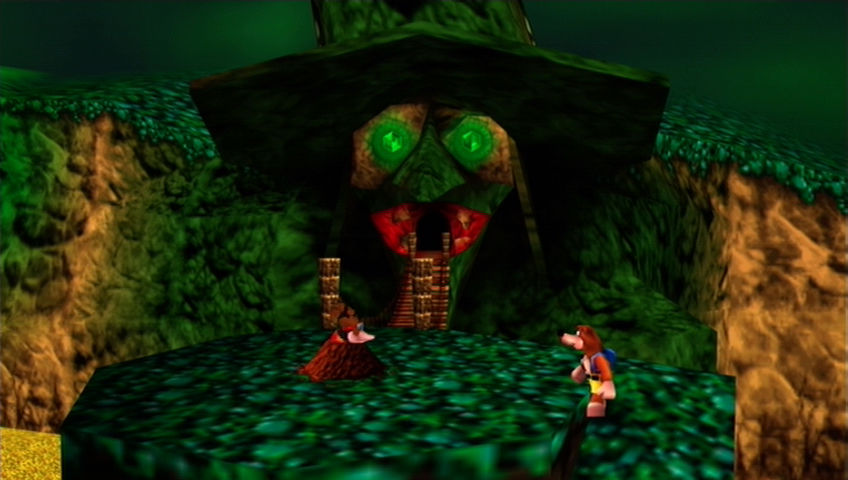
Native Ports Open Doors for Cut Content
Recent developments surrounding Banjo-Kazooie confirm that upcoming releases of the Nintendo 64 platformer classics are being developed as native ports. This technical approach marks a shift from standard emulation, giving developers the direct architectural capability to inject previously cut content and fresh bonus features into the classic games.
For players tracking video games and retro platformer revivals, native ports mean that ideas left on the cutting room floor during the original N64 development cycles have a concrete pathway into playable builds. Rather than running the original ROM through a software wrapper, rebuilding the titles natively grants development teams deeper access to modify code, restore missing assets, and bundle extra functionality.
What This Means for Players
Opting for native ports instead of straightforward emulation directly impacts the scope of what can appear in these classic re-releases. Because the code is running natively on target hardware rather than emulating an N64 console, teams can implement quality-of-life adjustments, restore developmental elements, and add bonus features that standard virtual console releases cannot support.
While specific release dates, pricing, and exact platform lineups for these native ports remain subject to further announcements, the technical framework ensures that players will experience versions of the platformer distinct from both the original cartridges and previous digital re-releases.