
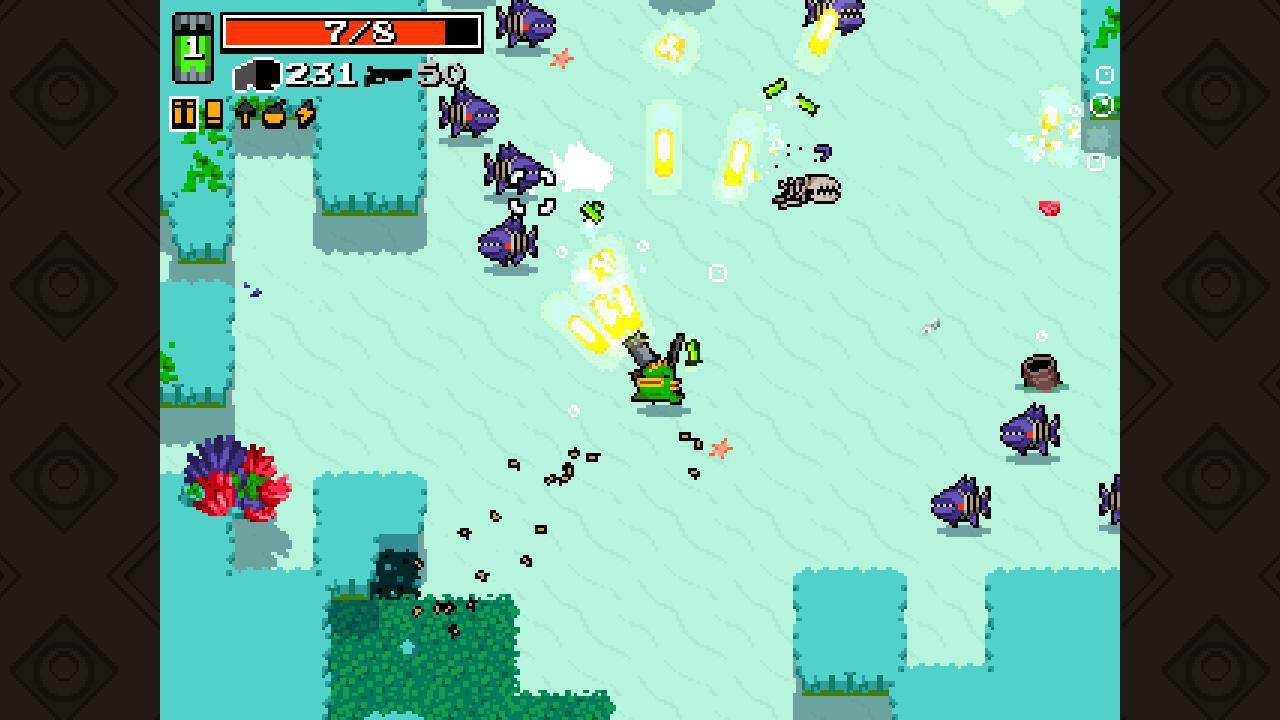
The current strategy of prioritizing safe bets and proven sequels is failing to sustain the games industry, according to a workgroup led by Nuclear Throne producer and Vlambeer co-founder Rami Ismail. The group, which met at this year's DevGAMM Madeira Games Summit, concluded that the industry's widespread fear of failure is ironically the primary driver of its current instability.
The Cost of 'Safe' Development
In his presentation, titled "We're moving fast and losing what made us good (creativity, craft & the future)," Ismail argued that industry efforts to "sand down the rough edges" of creative projects have resulted in homogenous titles that check boxes rather than offering unique experiences. The group identified this aversion to risk as a major factor in recent industry struggles, including the widespread layoffs and studio closures seen at major publishers like Xbox.
Instead of chasing market trends, the group highlighted recent successes such as Peak, Balatro, and Clair Obscur: Expedition 33. These titles succeeded by focusing on the specific personal tastes and beliefs of their creators, rather than relying on the risk-averse strategies that the group believes have led to bland, insincere products.
Early Cancellation as a Strategy
The workgroup also addressed the importance of decision-making in project management. They noted that avoiding fear-driven development could mean making the difficult choice to cancel a project early. This approach contrasts with the recent strategy observed at Sony, where the company spent years and millions of dollars chasing a live-service model, resulting in a "whole raft" of titles that failed to reach the market.
Ismail concluded that "courage is a consistent factor of most hit titles," whether in funding, publishing, marketing, or investment. As the industry faces a period of intense competition and ballooning budgets, the group's findings suggest that the path to success may lie in abandoning the fear-driven reflexes that are currently inhibiting creativity.