
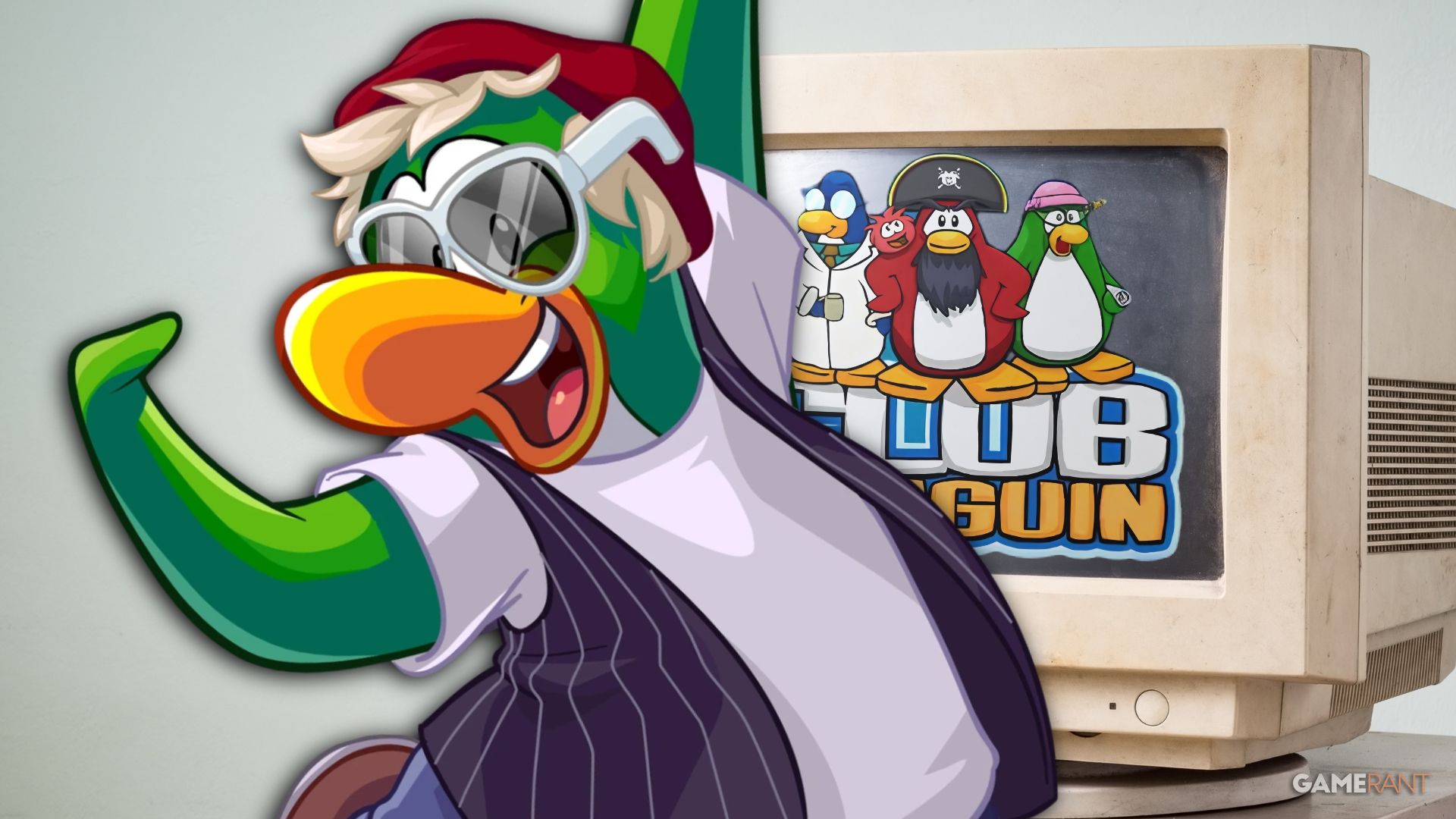
A potential path for the return of Club Penguin has emerged from an unlikely place: the United Kingdom's parliament. Politician Gordon McKee has expressed interest in discussing the possibility of bringing back the long-defunct social platform, specifically highlighting its historical reputation as a secure online space for younger players.
A Model for Online Safety
Club Penguin originally went offline in 2017, but it remains a touchstone for many when discussing moderated social experiences. The proposal to revive the platform is reportedly linked to broader parliamentary conversations regarding online safety and the regulation of modern social media platforms.
By pointing to the game as a successful example of a controlled environment, proponents of the idea suggest that a return could offer a safer digital alternative for children compared to current social media options. As of late July 2026, the discussion remains in the early stages of political discourse.
Context of the Original Platform
For those unfamiliar with the history, Club Penguin was a web-based social experiment that launched on October 24, 2005. It gained significant popularity for its focus on a child-friendly atmosphere, utilizing strict moderation and a simplified communication system to protect its user base before its official sunset nearly two decades later.
While the prospect of a revival has captured attention, there are currently no concrete development plans, release dates, or platform confirmations. The conversation is currently driven by the potential for legislative or social policy shifts rather than a corporate roadmap from a game developer.