
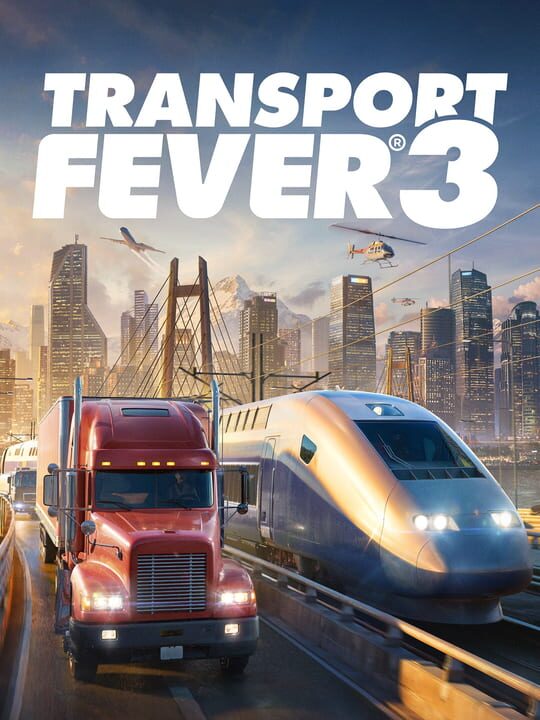
Urban Games has provided a closer look at Transport Fever 3, the upcoming logistics simulation sequel. While the series remains centered on building transport networks to fuel urban growth, the developer is shifting focus toward deeper city management mechanics.
New Management Challenges
Unlike previous entries where success relied primarily on traffic flow and cargo delivery, Transport Fever 3 integrates social and environmental consequences into the development process. Players must now manage noise and pollution levels, which impact city health and happiness. These factors are designed to be more difficult to mitigate than in similar titles, requiring careful infrastructure placement to avoid negatively affecting rural areas or residential districts.
Traffic and Industry Updates
The game introduces granular control over road networks. Players can designate specific lanes for turning and adjust traffic light patterns to manage congestion at busy intersections. Additionally, the industrial system has been expanded; new industries will emerge based on location and demand, and players can now perform "prospecting" to identify potential demand for new resource chains.
Key Gameplay Features
- Logistics Puzzle: Cargo delivery timing is now tied to specific road and rail types, requiring players to match transport methods to the urgency of the goods.
- Infrastructure Placement: Airports and depots carry external costs, including the impact of noise and pollution on the surrounding environment.
- Traffic Control: Ability to manually configure intersection lane designations and traffic signal timing.
- Dynamic Industry: A new prospecting feature allows players to seek out and establish new industrial opportunities based on local economic needs.
Transport Fever 3 is scheduled for a PC release in 2026. An exact launch date has not yet been confirmed by the developer.