
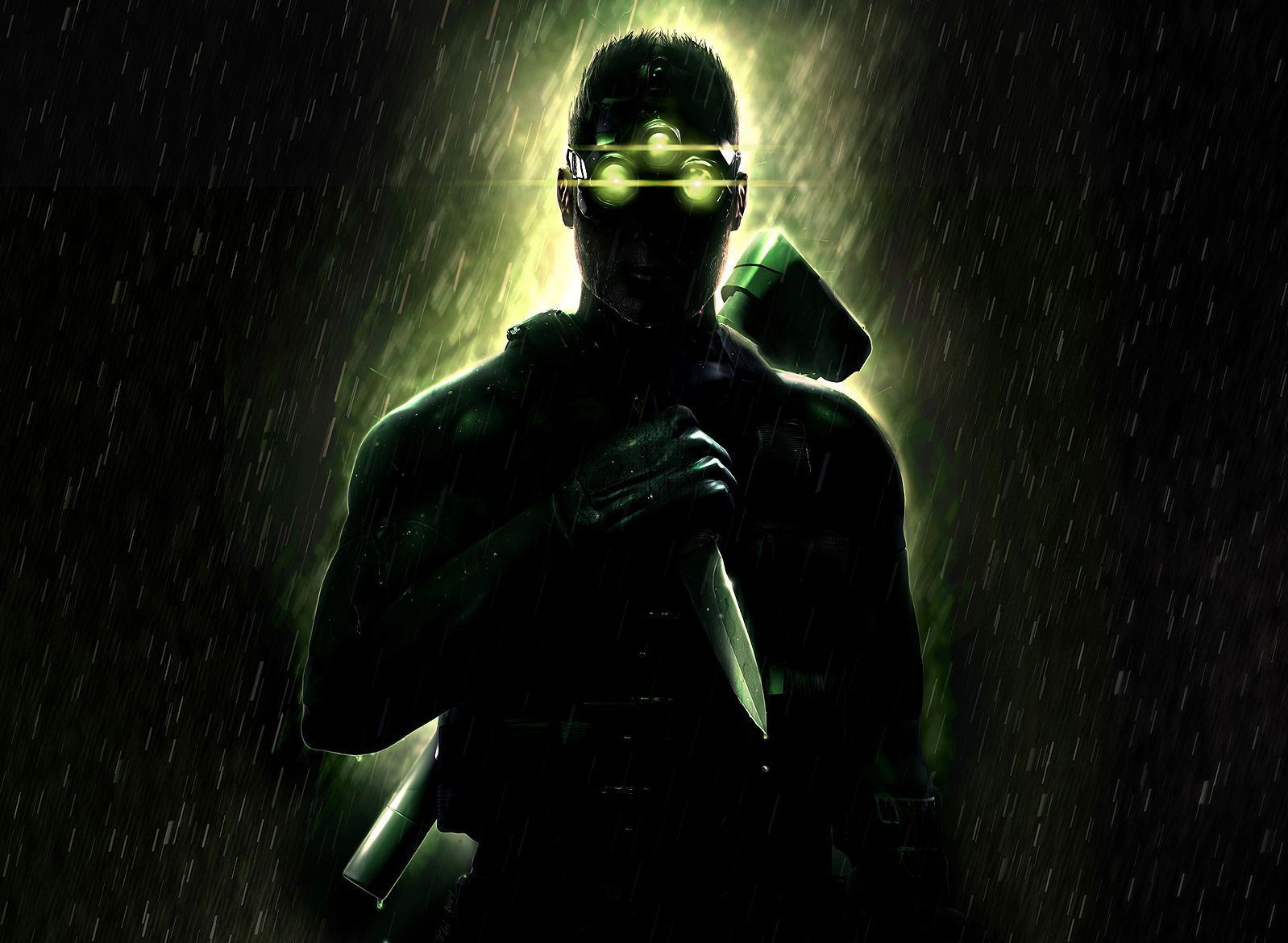
As the industry marks the 25th anniversary of the original Xbox, retrospectives on the platform's library often center on Tom Clancy's Splinter Cell Chaos Theory. Originally released in 2005, the title stands out for its high critical reception and its technical performance on Microsoft's first console.
The Montreal Standard
Developed by Ubisoft Montreal, Chaos Theory served as a technical showcase for the original Xbox. The studio, which had previously created the first Splinter Cell, utilized dynamic lighting as a core gameplay mechanic. Players were tasked with interacting with their environment to stay hidden, using gadgets or silenced weapons to remove light sources.
The game's design emphasized player agency, offering multiple paths through environments like the Lighthouse, the Bank, and the Hokkaido mission. This allowed for varied playstyles, ranging from non-lethal ghost runs to more aggressive approaches.
Multiplayer and Co-op Innovation
Beyond the single-player campaign, Chaos Theory featured two distinct multiplayer components that contributed to its reputation:
- Spies vs. Mercs: A competitive mode pitting third-person Spies against first-person Mercs, defined by its asymmetric balance of gadgets versus firepower.
- Co-op Campaign: A dedicated, separate storyline for two players that included unique cooperative maneuvers, such as throwing a teammate into enemies or assisting in vertical navigation. Two additional missions were released as free DLC following the game's launch.
Legacy and Current Status
While Splinter Cell Blacklist remains the final entry in the series, interest in the franchise persists. Ubisoft is currently working on a remake of the original Splinter Cell. Although the project has faced recent internal layoffs, the company has maintained that the remake remains in active development.
For those revisiting the title today, the gameplay of Chaos Theory remains functional, even if the visuals no longer match the high-fidelity standards of 2026. It continues to be recognized for its role in establishing the cooperative and competitive standards for the stealth genre during the mid-2000s.