
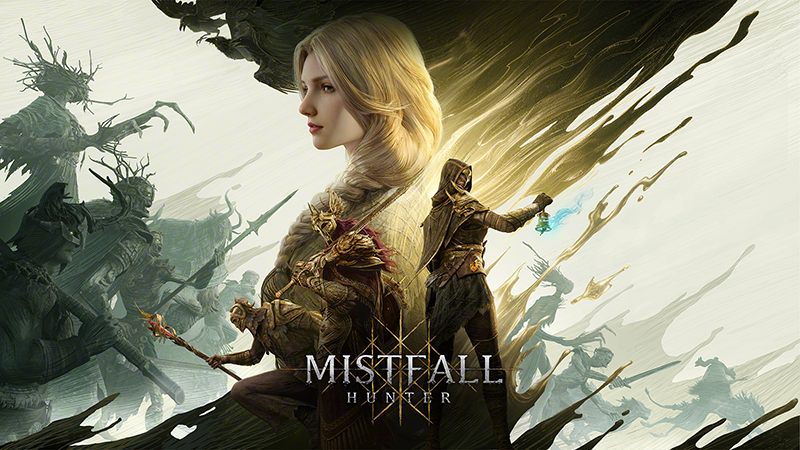
A new update for Gyldhunters is scheduled for August 12, 2026, at 08:00 UTC+0. This no-downtime patch introduces the Soul Harvest gameplay mode, balance adjustments across multiple classes, and platform-specific features.
Quick Facts
- Date: August 12, 2026, at 08:00 UTC+0
- Platforms: PC, Xbox
- Key Feature: Soul Harvest gameplay mode
- Xbox Update: Real-time voice chat support added
- Client Action: Update game client via the app store following the patch
Soul Harvest Gameplay
The Soul Harvest operation tasks players with thwarting the Velgr's attempt to create a False God. During matches in Hallowgrove and Brandrgarde, Soul Incubators and a Fate Altar will spawn, with trigger frequency tied to the map's Gyldening Intensity.
Players carrying a Soul Cocoon will resonate with others, revealing their locations to one another. To complete the ritual, players must submit two Soul Cocoons at the Fate Altar. Alternatively, submitting one Soul Cocoon to the in-match merchant, Richie, unlocks team rewards.
Class Balance and Combat Changes
This patch targets several classes with specific adjustments to cooldowns and damage multipliers, particularly for solo PvP modes:
- Blackarrow: Cooldowns for Mysticfly Arrow, Steel Arrow, and Dodge Power Shot have been increased, while Sonic Arrow cooldown is significantly reduced. PvP damage multipliers have been lowered.
- Sorcerer: Damage distribution for Fire Bolt and Flameblade has been shifted toward direct damage. Crystal Icebolt cooldown increased, and Thunderstrike lightning activation speed improved.
- Shadowstrix: Phantom Shift cooldown increased, and Battle Frenzy physical piercing reduced. Inspiring Impale cooldown reduced, and the Wound Accumulation talent now requires 8 stacks for detonation.
Additional Improvements
Beyond combat changes, the update adds a blocklist function to the World Chat window. Performance fixes include resolutions for client hitching, stuttering, and crash scenarios. The developers have also optimized ping display logic to provide a more accurate representation of in-match input latency.