
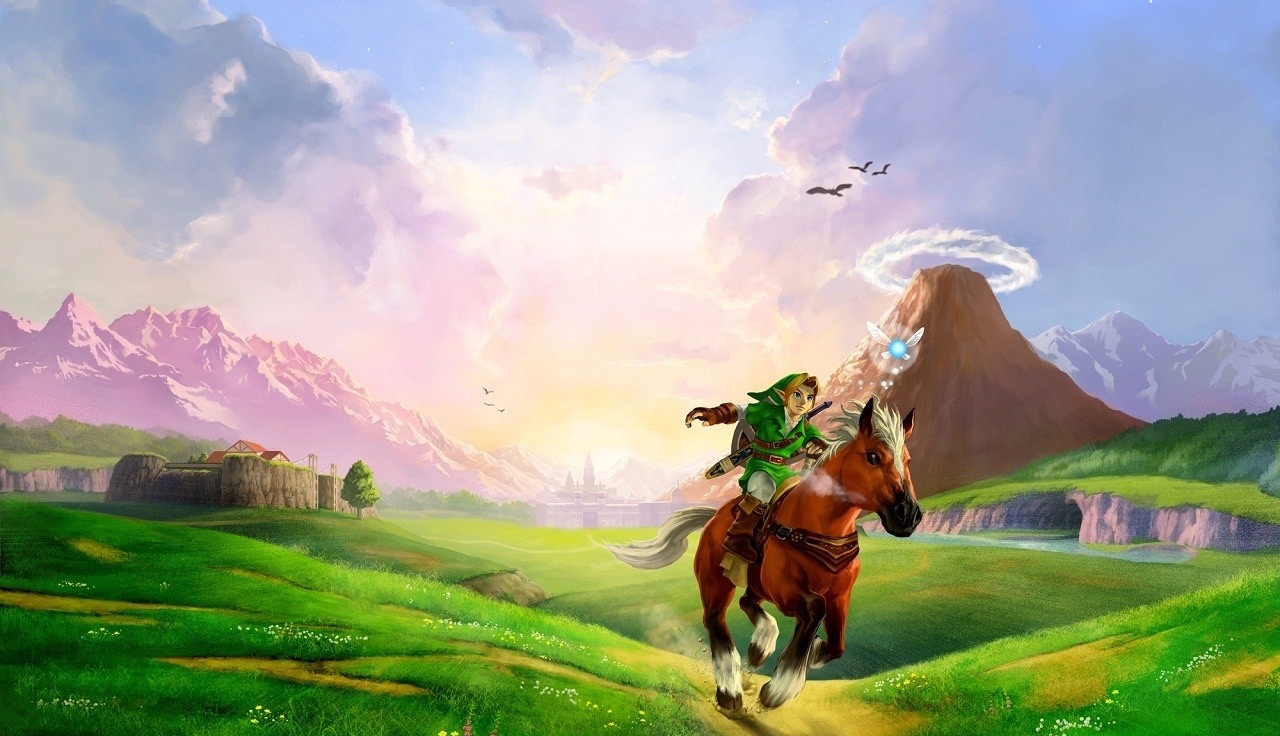
Producers Eiji Aonuma and Hidemaro Fujibayashi have provided insight into the development process behind The Legend of Zelda: Ocarina of Time remake, now available on the Nintendo Switch 2. The project was positioned as both a modernization of the classic title and a training ground for younger Nintendo staff.
Design Philosophy and Modernization
The development team focused on a two-pronged approach: identifying elements to evolve through new hardware capabilities and preserving the core experience intended by the original creators. Key updates include:
- Controls: The introduction of a dedicated jump button, a departure from the original, was implemented to create a smoother, more fluid movement experience.
- Audio: All background music has been updated to 5.1-channel surround sound.
- NPC Behavior: Unlike the original, all non-player characters now operate on 24-hour routines.
- Visuals: Graphical fidelity has been improved to take advantage of the Switch 2 hardware.
The team also made deliberate choices to keep certain aspects unchanged, such as the map structure. Aonuma noted that they chose to maintain the original's marked transitions between areas rather than moving to a fully seamless open-air map, as those transitions provide a unique, distinct feeling for each location.
Internal Development and Lessons Learned
Nintendo opted to handle the remake entirely in-house to facilitate knowledge transfer. By having younger developers—some of whom had never played the original—study the classic design, the company aimed to bridge the gap between older development styles and the current open-air approach seen in Breath of the Wild and Tears of the Kingdom.
Fujibayashi explained that the staff learned how to guide players in a 3D space, such as using subtle markers to indicate goals in more linear environments. To balance difficulty and accessibility, senior staff utilized a process of “memory erasure,” attempting to approach the game as if they were playing it for the first time. This was supplemented by playtesting data to ensure the balance between mystery and player guidance remained satisfying rather than frustrating.
Refining the Experience
Not every idea made it into the final release. The team experimented with adding warp points, but ultimately cut them because they felt it compromised the "classic" feel of the game. Similarly, they opted to dial back the intensity of the ReDead enemies, noting that while the improved graphics made them more realistic, the design team decided they had gone "a step too far" in making them frightening.