
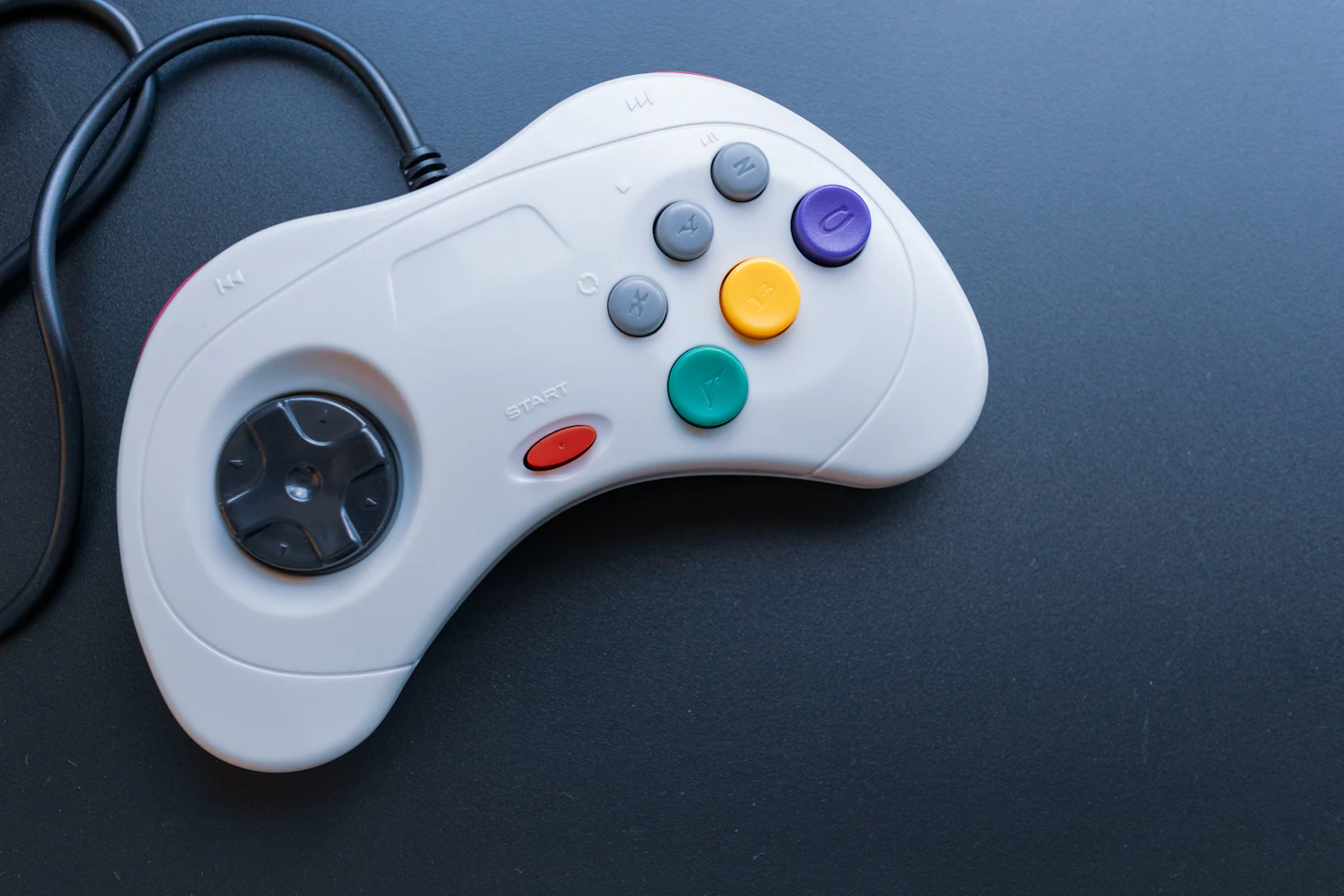
Nintendo executive Shigeru Miyamoto recently shared insights into the company's historical hardware strategy, revealing that the GameCube's disappointing market performance served as the catalyst for the design philosophies behind the Nintendo DS and the Wii.
In a recent interview, Miyamoto explained that Nintendo analyzed the GameCube's sales and concluded that the console was purchased almost exclusively by existing gamers. During this period, competing systems like the PlayStation 2 and the original Xbox saw higher engagement, partially because they functioned as multimedia devices capable of playing DVDs. According to Miyamoto, the late Nintendo president Satoru Iwata identified that gaming had not yet been fully normalized for the general public.
Shifting the Design Philosophy
The discussions between Miyamoto and Iwata led to a fundamental shift in how Nintendo approached hardware development. To move beyond the "video game console" classification, the company decided to prioritize accessibility.
- Focus on Non-Gamers: The goal was to attract individuals who had never purchased a console before, leading to titles like Wii Sports, Wii Fit, and Brain Training.
- Interface Innovation: Miyamoto noted that the company avoided complex controllers to ensure their hardware functioned as a "new tool for play."
- Marketing Language: Nintendo utilized taglines such as "everyone is at the starting line" for the DS and "use your body to play" for the Wii to emphasize ease of use.
Miyamoto reflected that while the company successfully spread these platforms globally as a new way to interact with games, the industry still struggles to integrate gaming into daily life in the same way as other hobbies. He pointed out that while we don't categorize people as "book readers" or "non-book readers," the term "gamer" remains a distinct label, suggesting that the normalization process remains an ongoing effort.