
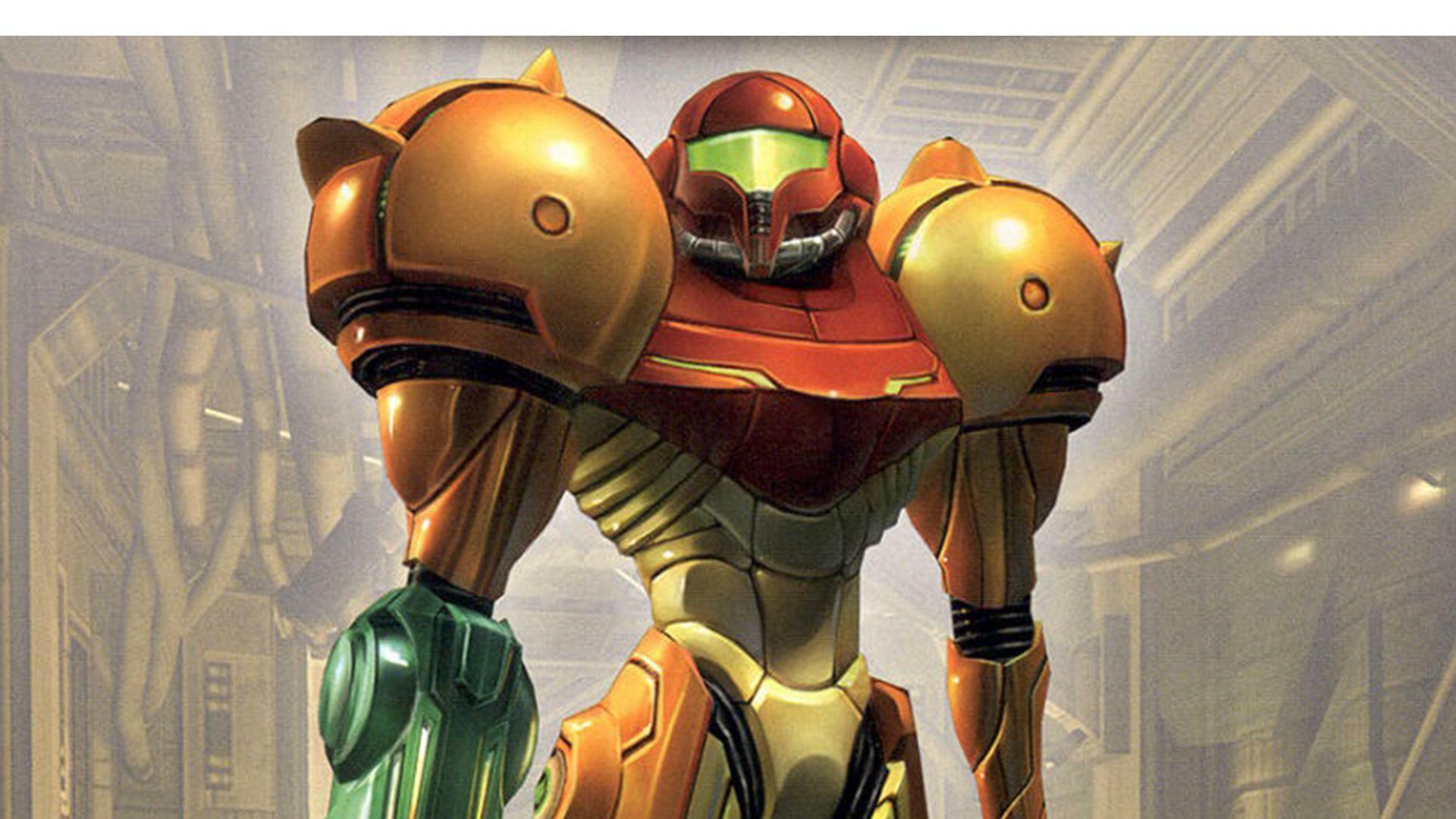
When discussing the influential titles in Nintendo's history, Metroid Prime stands out as a critical turning point. Released in 2002 for the GameCube, the game represented a high-stakes gamble: Nintendo stepping into the first-person shooter genre—a space then dominated by its competitors—to revitalize a dormant franchise.
A Blueprint for Creative Design
The success of Metroid Prime provided a template for how Nintendo would handle its long-running properties in later years. By merging the mechanics of an FPS with intricate level design and puzzle-solving, Retro Studios demonstrated that the genre could support deep, narrative-driven experiences. This approach informed subsequent creative leaps at the company, including the reimagining of franchises seen in The Legend of Zelda: Breath of the Wild.
Availability on Modern Hardware
For players looking to experience the title today, Metroid Prime Remastered is available on the Nintendo Switch. This version allows contemporary audiences to engage with the level design and atmosphere that originally set a precedent for Nintendo's design strategy.
Quick Facts
- Original Release: November 17, 2002 (GameCube).
- Current Platform: Nintendo Switch (via Metroid Prime Remastered).
- Design Impact: Established a successful model for integrating storytelling and puzzles within the first-person perspective.
The game serves as a case study in how Nintendo navigates its "lagging" franchises. Rather than relying on established formulas, the company utilized Metroid Prime to defy player expectations, a strategy that remains relevant to Nintendo's ongoing development goals in 2026.