
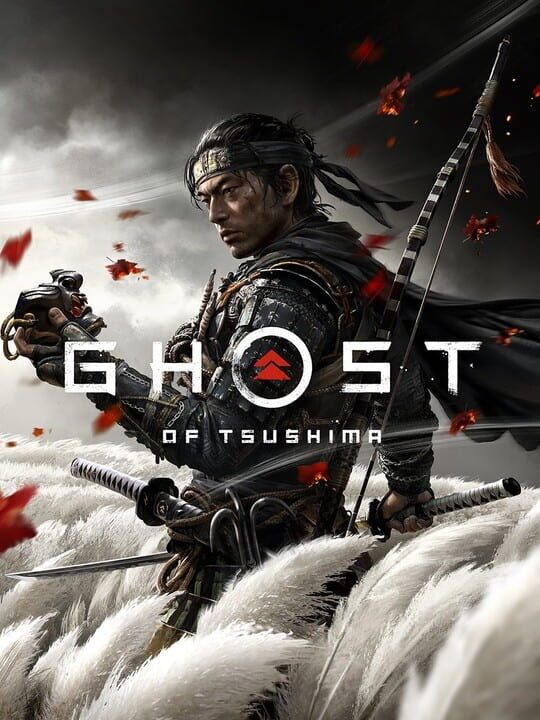
While Ghost of Tsushima is widely recognized as one of the most notable open-world titles, its relationship with actual history is a blend of documented events and significant creative invention. Developed by Sucker Punch and published by Sony, the game serves as an action-adventure experience rather than a strict historical simulation.
Historical Grounding vs. Creative Liberty
The game is anchored in the 1274 CE Mongol invasion of Japan. The depiction of the landing at Komoda Beach and the initial resistance by a force of 80 mounted samurai is accurate to historical records. In reality, this specific engagement resulted in the immediate defeat of the defending samurai force.
However, players should distinguish these events from the game's narrative structure:
- Fictional Characters: While the Mongol Empire's presence is factual, characters like Jin Sakai, Lord Shimura, and the antagonist Khotun Khan were created specifically for the game.
- Clan Sakai: The Sakai clan did not exist during the 1274 invasion; the family name only surfaced in historical records roughly a century later.
- The Bushido Code: Much of the conflict regarding the protagonist's honor is tied to the Bushido code. Historically, this code was not established until the Edo period, long after the events depicted in the game.
Context for Players
Sucker Punch has not marketed Ghost of Tsushima as a history lecture. The game's design prioritizes the open-world action experience over rigid historical recreation. These deviations from the historical record do not impact the core gameplay, confirming that the title is intended to function as an interpretive take on the period rather than a documentary account.