
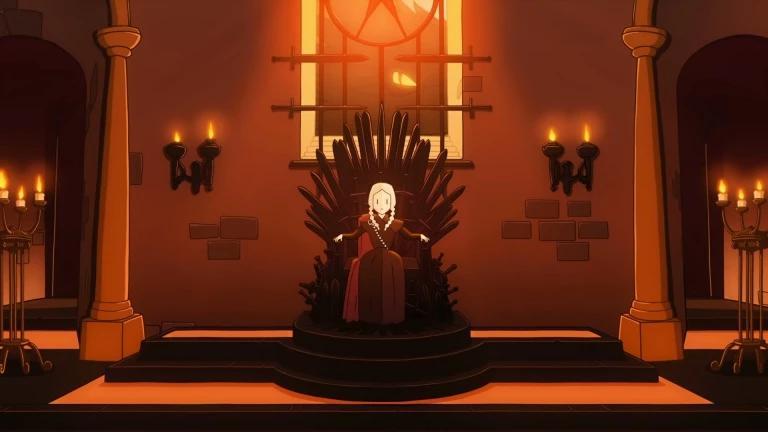
Following the debut of Game of Thrones: The Mad King audiences are looking for clarity on how the stage play fits into the established lore of George R.R. Martin’s book series. Because the production depicts events previously only referenced in dialogue, many fans have sought to determine if the play serves as a definitive historical account.
Quick Facts
- The play covers events surrounding Robert’s Rebellion and the preceding years.
- Playwright Duncan Macmillan had creative freedom to invent character motivations.
- George R.R. Martin consulted on the project, though he has not provided a direct public endorsement of the play's total canon status.
- Westeros.org contributors suggest major plot revelations align with Martin's vision, while specific interpersonal characterizations may be unique to the stage production.
Separating Lore from Artistic License
According to insights from the team at Westeros.org—who previously collaborated with Martin on The World of Ice and Fire—it is helpful to view The Mad King as a mix of canonical revelations and creative invention. The production addresses long-debated questions regarding the events at Harrenhal, and observers expect these core answers to reflect Martin's own conception of the history.
The details generally considered to hold canonical weight include:
- Lyanna Stark acting as the Knight of the Laughing Tree.
- The revelation that Lyanna went with Rhaegar Targaryen willingly.
- Confirmation that Jon Snow is the son of Rhaegar and Lyanna.
- The disclosure that Rhaegar was actively plotting to overthrow his father, the Mad King, prior to the start of the rebellion.
- The framing of both Jon and Daenerys as potential candidates for the prophecy of the Prince that was Promised.
Where the Play Diverges
While the major historical milestones appear to align with the books, the play prioritizes narrative flow and audience engagement. This has led to the inclusion of characterizations that may not reflect Martin’s intended canon. Sources indicate that specific motivations and relationships—such as Elia Martell’s stance on the relationship between Lyanna and Rhaegar, or Rhaella Targaryen’s foreshadowing of Daenerys—are likely inventions meant to enhance the theatrical experience rather than established lore.
Ultimately, the status of these events will remain a subject of community debate until the final book installments are published. Despite the play providing answers that align with existing theories, some readers remain cautious about treating all stage-exclusive revelations as absolute fact until they appear in Martin's written work.