
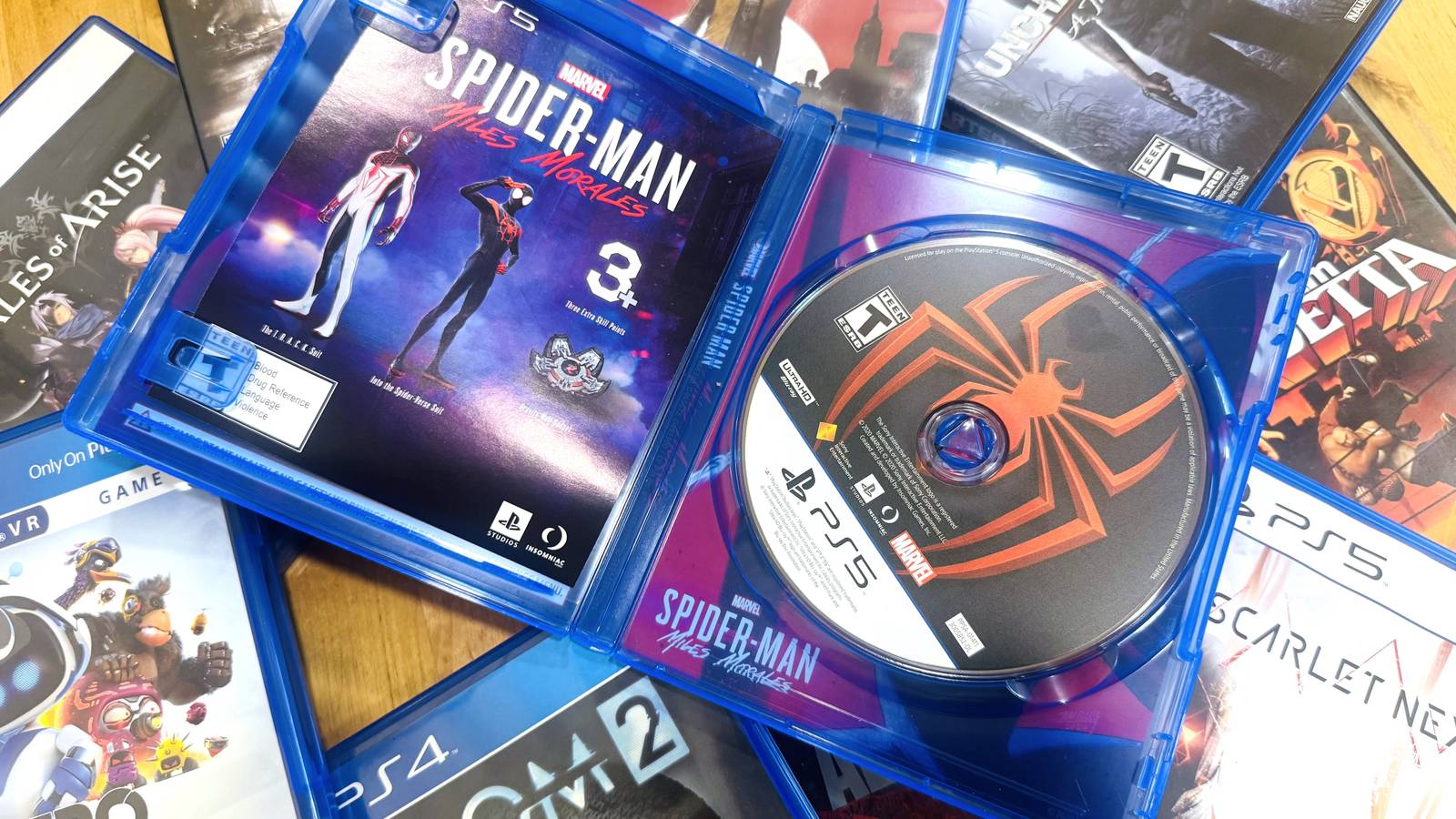
Sony is set to pivot to a fully digital model, with plans to stop producing physical game discs by 2028. For many, this transition is already underway; physical game sales accounted for only about 15% of total sales in 2025, according to recent data. However, the shift away from tangible media brings significant implications for what it actually means to "own" a game.
The End of Used Games and Secondhand Savings
The move to a digital-only future effectively kills the secondhand market. Once physical production ends, players will lose the ability to buy used games at lower prices or lend titles to friends. For those who rely on physical media to bypass poor internet connections or slow download speeds, this change forces a total dependence on Sony’s digital storefront infrastructure.
Beyond the loss of physical trade-ins, gamers will be subject to the pricing strategies of a single platform holder. With no competing retailers selling physical copies, Sony gains total control over pricing. While the company has already begun testing dynamic pricing models, a digital-only landscape removes the ability for consumers to shop around for better deals elsewhere.
Ownership and the Risk of Revocation
The core issue facing players is the nature of digital "ownership." When you purchase a digital game, you are generally buying a license to access that content, rather than owning the product itself. This allows platform holders to revoke access at their discretion.
Recent history highlights this danger. Just last week, PlayStation users were notified that they would lose access to 551 films—including titles like Terminator 2: Judgment Day—due to licensing changes with distributor StudioCanal. These users will not have access to their purchases, and there is no indication of refunds. This precedent extends to gaming; in 2015, Konami removed the P.T. demo for Silent Hills from the PlayStation Store, making it impossible to download even for those who had previously added it to their library.
Preservation and the Future of Access
The shift also intensifies concerns regarding video game preservation. Sony has announced plans to sunset the PlayStation 3 and PlayStation Vita storefronts. If these plans hold, titles exclusive to those platforms that never received a physical release or modern port could effectively disappear from the official ecosystem. Physical media has historically served as a critical safeguard against such losses, ensuring that software remains accessible even if it is removed from a digital storefront or a service is shuttered.
While some argue that the shift is a natural evolution similar to the PC gaming market, the reality remains that once discs are gone, the ability to maintain a library independent of a single company's servers will vanish. Until digital ownership laws are updated to protect consumer access, the loss of physical media leaves players at the mercy of platform-holder decisions.
DOOM: The Dark Ages - Revelations Adds Endgame Content to PS5Action
Cyberpunk 2077 Quest Design 'Too Complex' to Compare to The Witcher 3Analysis
Sony to Cease Physical PlayStation Disc Production in 2028Analysis
Sony to End Physical Game Production by 2028