
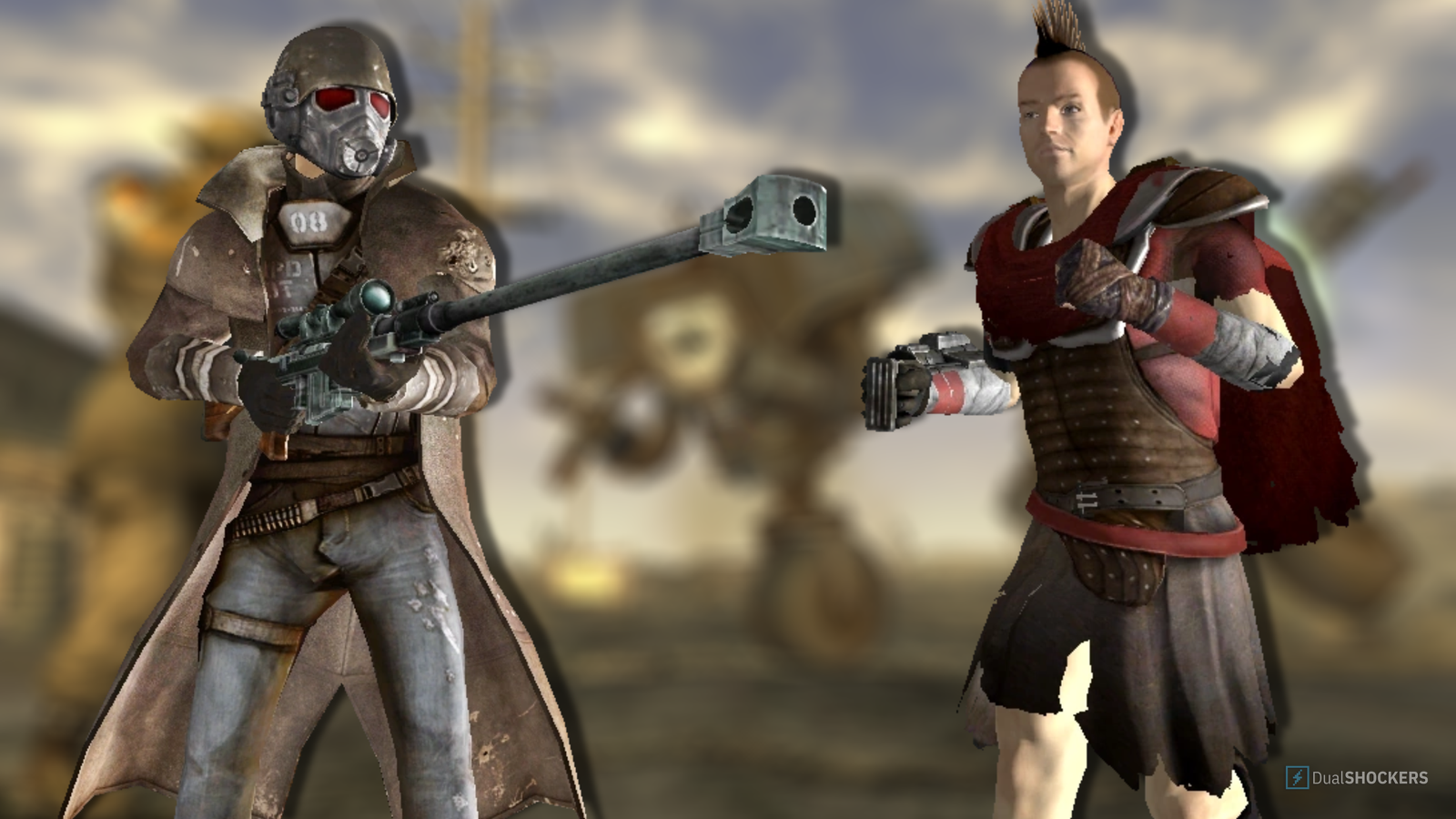
- Game: Fallout: New Vegas
- Developer: Obsidian Entertainment
- Release Date: October 19, 2010
- Metacritic Score: 84
- Platforms: PC, Xbox One, PlayStation 4, Xbox 360, PlayStation 3
Fallout: New Vegas, developed by Obsidian Entertainment and published by Bethesda Softworks, continues to hold a reputation as a title that still feel more reactive than most modern western RPGs. As we look at the state of gaming in 2026, the design choices made by the team over a decade ago—detailed in our coverage by Daniel Trock published Jun 10, 2026—highlight why the Mojave Wasteland remains a benchmark for player agency. While newer titles often prioritize graphical fidelity or expansive map sizes, the core roleplaying systems of this 2010 release demonstrate a level of world responsiveness that has rarely been replicated.
The Foundation of Reactive World Systems
The enduring appeal of Fallout: New Vegas lies in how it builds upon the established foundations of the Fallout franchise while introducing distinct mechanics that force the game world to acknowledge the player's presence. Unlike many contemporary entries in the genre, the game utilizes a combination of damage threshold combat statistics and independent faction reputation systems. These elements ensure that the world does not merely exist as a backdrop for combat, but rather as a system that changes based on the protagonist’s specific actions and allegiances.
For players returning to the Mojave or experiencing it for the first time in 2026, the difference is noticeable. The game tracks how various factions perceive the player, and this reputation system directly impacts interactions, quest availability, and how NPCs behave in the field. This level of RPG mechanics analysis is a primary reason the title maintains its status among genre enthusiasts.
Character Building: Traits vs. Perks
One of the most effective ways the game manages player identity is through the implementation of traits. While perks are a standard feature across the Fallout series—providing objective bonuses to stats and abilities—traits offer a more nuanced approach during the initial character creation phase. These traits serve as a balancing mechanism, forcing players to weigh the benefits of a specific buff against a corresponding debuff.
- Heavy Handed: Increases melee attack damage while simultaneously reducing critical hit damage.
- Fast Metabolism: Accelerates the character's healing rate at the cost of decreased radiation and poison resistance.
These modifiers allow for fine-tuned gameplay styles that are not simply about becoming more powerful, but about defining the inherent strengths and weaknesses of the player character. This system ensures that every build feels distinct, as the trade-offs necessitate different tactical approaches to the challenges found within the Mojave.
Luck as a Meaningful Skill
In many modern titles, luck is relegated to a minor modifier for critical hit chances. Fallout: New Vegas, however, treats luck as a foundational skill that influences the world in tangible ways. Beyond combat, high luck scores open up unique opportunities in the game's gambling systems, allowing players to interact with the economy of the Mojave in ways that low-luck characters cannot. This integration of a stat into the world's activities is a hallmark of how Obsidian Entertainment designed reactive world systems to reward player investment in specific character builds.
Why New Vegas Remains Relevant in 2026
As we analyze the current market, it is clear that the longevity of Fallout: New Vegas is not accidental. The game's design philosophy prioritizes player choice and consequence, ensuring that the narrative and the world state are constantly reflecting the decisions made by the user. While the industry has moved toward larger, more visually demanding environments, the mechanical depth found in the Mojave Wasteland provides a consistent experience that remains highly playable.
Our ongoing Fallout series news coverage often highlights how the community continues to return to this title. Whether it is the faction-driven narrative or the granular control over character stats, the game provides a depth of engagement that many modern releases struggle to achieve. For those looking to understand why this title remains a fixture in 2026, it is necessary to look past the graphics and focus on the underlying systems that govern how the game world reacts to the player.
Frequently Asked Questions
Why is Fallout: New Vegas still considered the best RPG in 2026?
Fallout: New Vegas is regarded as a top-tier RPG in 2026 because its reactive world systems, faction reputations, and character-building mechanics create a level of player agency that remains largely unmatched by modern titles.
What makes Fallout: New Vegas reactive mechanics better than modern RPGs?
The game utilizes a combination of damage threshold combat stats, independent faction reputations, and trait-based character customization that forces the world to respond directly to the player's specific choices and build.
Is Fallout: New Vegas worth playing in 2026 for new players?
Yes, Fallout: New Vegas is worth playing in 2026 for those interested in deep roleplaying systems, as its foundational design elements provide a consistent and responsive experience that has aged better than many newer, more graphically intensive games.
Fallout: New Vegas Development Trivia 2026: Why That Psycho Ending Sl...Action
Fallout New Vegas Legal Issues: Obsidian and Bethesda Trademark DisputesAction
Fallout: New Vegas Remaster Status: Developer Insights for 2026Action
Is a Fallout New Vegas Remaster Happening in 2026? Industry Experts W...