
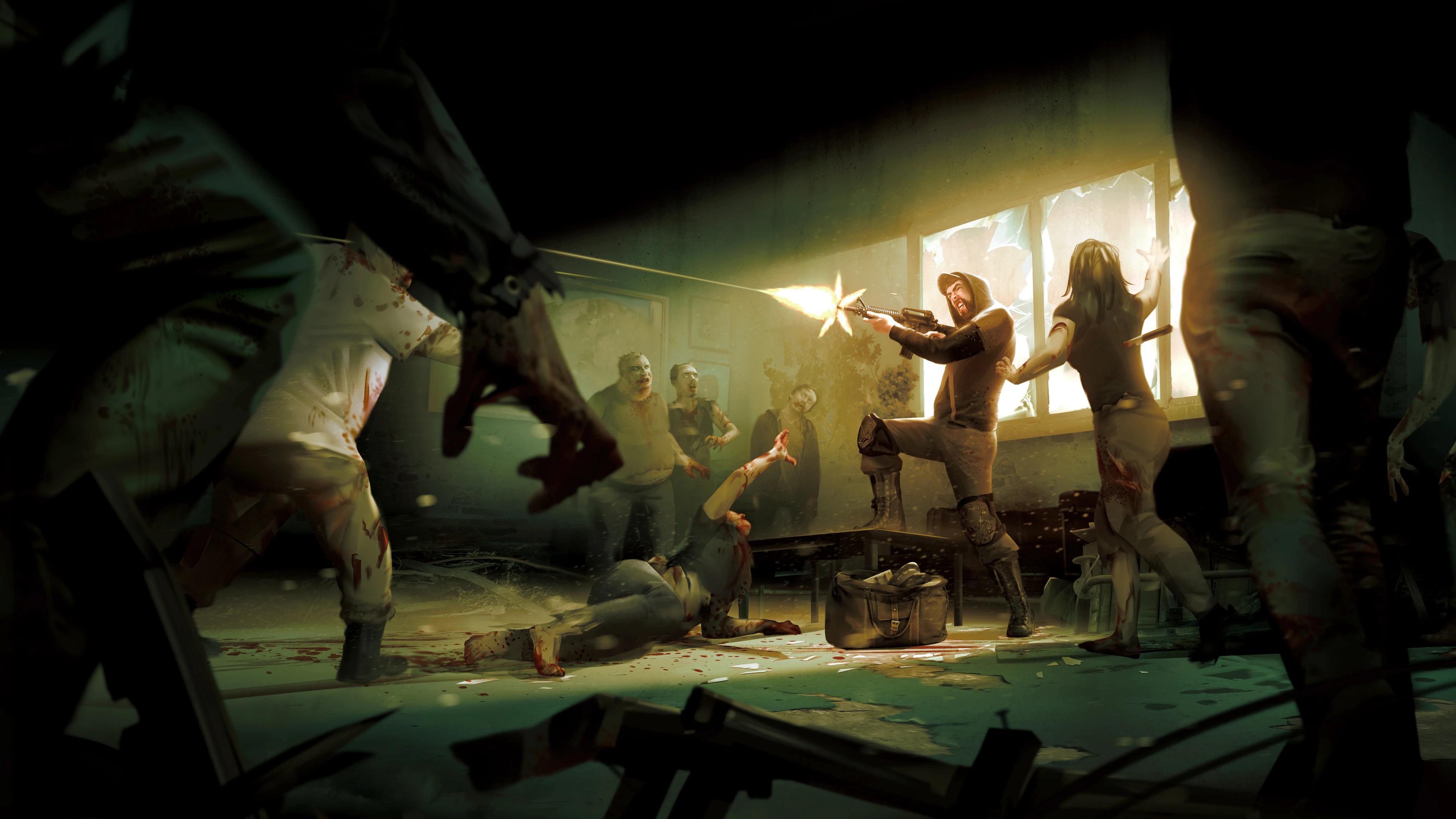
If you enjoy the frantic, screen-filling action of a bullet heaven mixed with the strategic placement of tower defense, The Gate Must Stand sounds like a dream on paper. It’s a 2026 PC title that asks you to protect a central gate while dashing around a map to collect experience and hire defenders. While the core loop is genuinely addictive, the game feels like a diamond that needed significantly more time in the oven before release. I’m giving it a 2.5/5 — it’s okay, but it’s a bit of a mess.
How the Gameplay Actually Feels
The game forces you to juggle two distinct responsibilities. You control a hero character who auto-attacks enemies, while simultaneously spending resources to hire units from a tavern to act as towers. These units range from flame and ice wizards to tanky knights. You can even build fences to funnel waves of enemies into your kill zones, with specialized units available to repair those structures when they take damage.
As you gather experience orbs, you level up both your hero and your towers. The depth here is surprising: you can combine towers by dropping one onto another to increase their level, and there are 149 hero skills and 150 follower skills to experiment with. When things click, you’re zipping around the map while a massive army of followers unleashes a screen full of effects. Unfortunately, these moments are often interrupted by a lack of polish.
The Issues With Pacing and UI
The biggest hurdle for The Gate Must Stand is its pacing. The game starts painfully slow, and while there is a double-speed option, the overall progression feels sluggish. A full, proper run takes at least an hour, which feels far too long for this genre. Furthermore, the game dumps you in with very little guidance. You get the bare minimum of information on your first run, leaving you to figure out complex systems on your own. The UI is lackluster and doesn't do a great job of explaining abilities, which makes the learning curve feel more like a chore than a challenge.
Boss fights are another point of contention. While it's cool that each of the 13 bosses has unique mechanics, they often feel like they have too much health, turning these encounters into endurance tests rather than strategic highlights. The developer is actively patching the game, which is a good sign, but the current state feels like it needed better directing and a tighter edit.
- Addictive core loop mixing two genres
- High variety in skills and hero unlocks
- Active developer support via patches
- Extremely slow start and long run times
- Lack of clear UI and ability explanations
- Frequent jank and lack of polish