
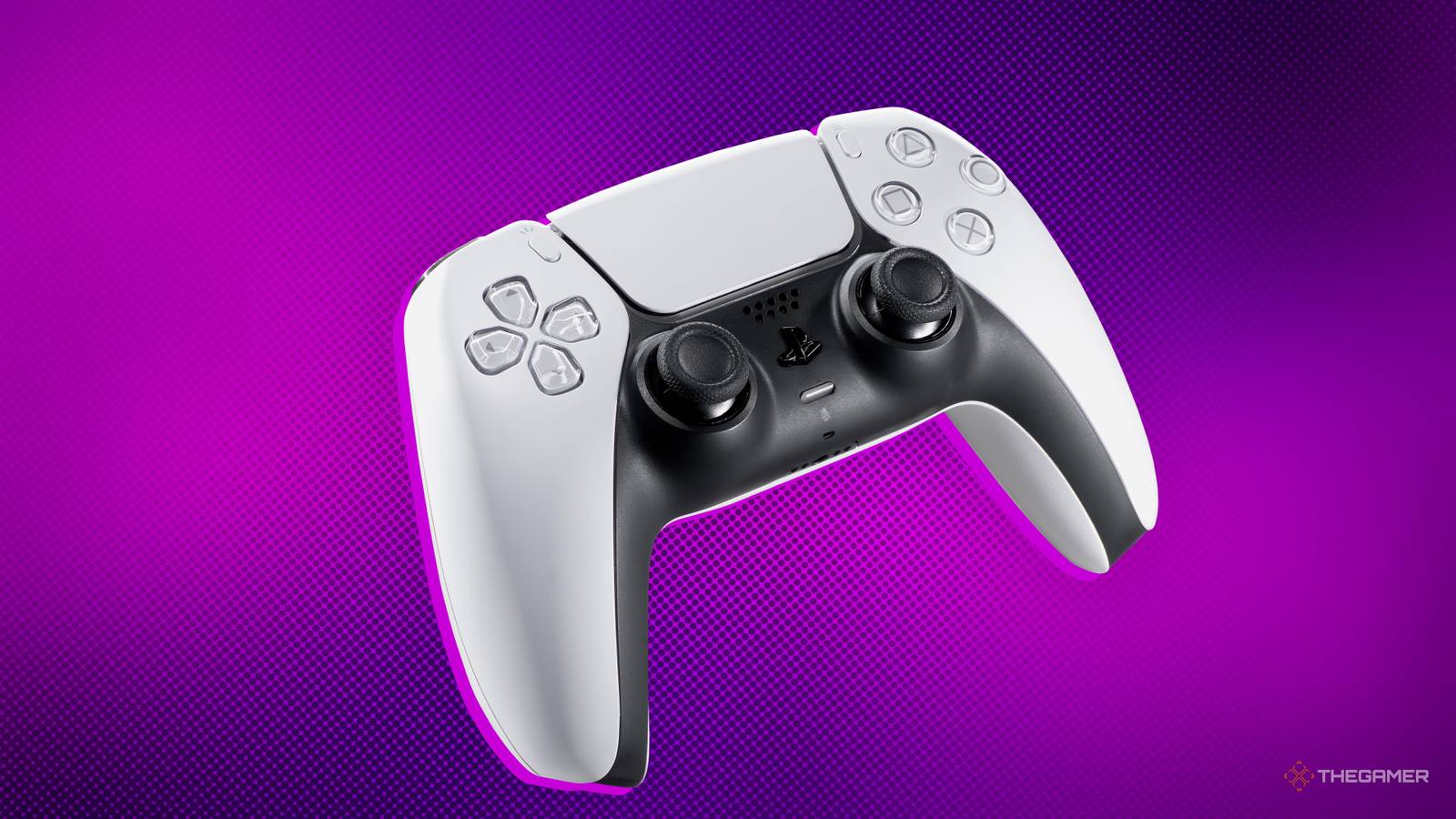
Adaptive triggers have become a staple of the modern console experience, allowing players to feel the tension of a bowstring or the weight of a jammed gun in titles like Deathloop or Spider-Man 2. Now, it appears Sony is looking to expand that tactile philosophy further. A newly surfaced patent suggests the company is exploring adaptive buttons capable of physically changing their hardness to interact directly with the player's fingers.
- Tech Concept: Magneto-viscoelastic elastomer or fluid-filled buttons.
- Primary Benefit: Adjustable resistance for accessibility and haptic immersion.
- Potential Use: Hardening to simulate climbing or softening for swamp environments.
- Status: Patent filing; no official implementation confirmed.
How "Finger Grabbing" Buttons Would Work
The patent, first spotted by Cheat Happens, outlines a system where buttons can alter their physical state based on personal preferences or specific gameplay scenarios. At its most extreme, the concept involves a "finger grab" effect: the buttons would soften to allow your fingers to sink in, then harden around them, effectively forcing you to pull away. While this sounds intense—perhaps akin to wearing a vest that simulates physical impact—it serves a functional purpose.
Beyond the tactile feedback, the tech could be a massive boon for accessibility. If a player needs to use an elbow to actuate a button, the controller could soften the input to require less force. Conversely, it could harden specific buttons to prevent accidental inputs if a player's palm is resting on the controller.
Beyond the Trigger
The proposed technology moves beyond the scope of current adaptive triggers by focusing on surface-level interaction. For instance, the buttons might mold around your fingers and harden to simulate the sensation of climbing a mountain, or soften to provide a different texture when wading through a muddy swamp. It is a level of immersion that, if realized, could make grab attacks in games like Elden Ring feel significantly more disruptive.
To achieve this, the patent suggests using magneto-viscoelastic elastomer—a composite material filled with magnetizable micro-particles—or fluid-filled membranes. By manipulating the magnetic field strength, the controller would dictate the button's resistance.
It is important to remember that a patent is not a product roadmap. Sony has historically filed patents for ideas that never see the light of day, such as a 2009 filing for interactive commercials that required user acknowledgement to resume playback. If this technology does eventually reach the PlayStation ecosystem, presumably as part of the next generation of hardware, it would likely include options to disable or adjust the intensity, just as current DualSense features do today.