
If you bought movies through PlayStation’s video delivery service, you might want to check your library. Sony has officially announced that 551 movies will be permanently deleted from user accounts on September 1, 2026, due to expiring distribution deals.
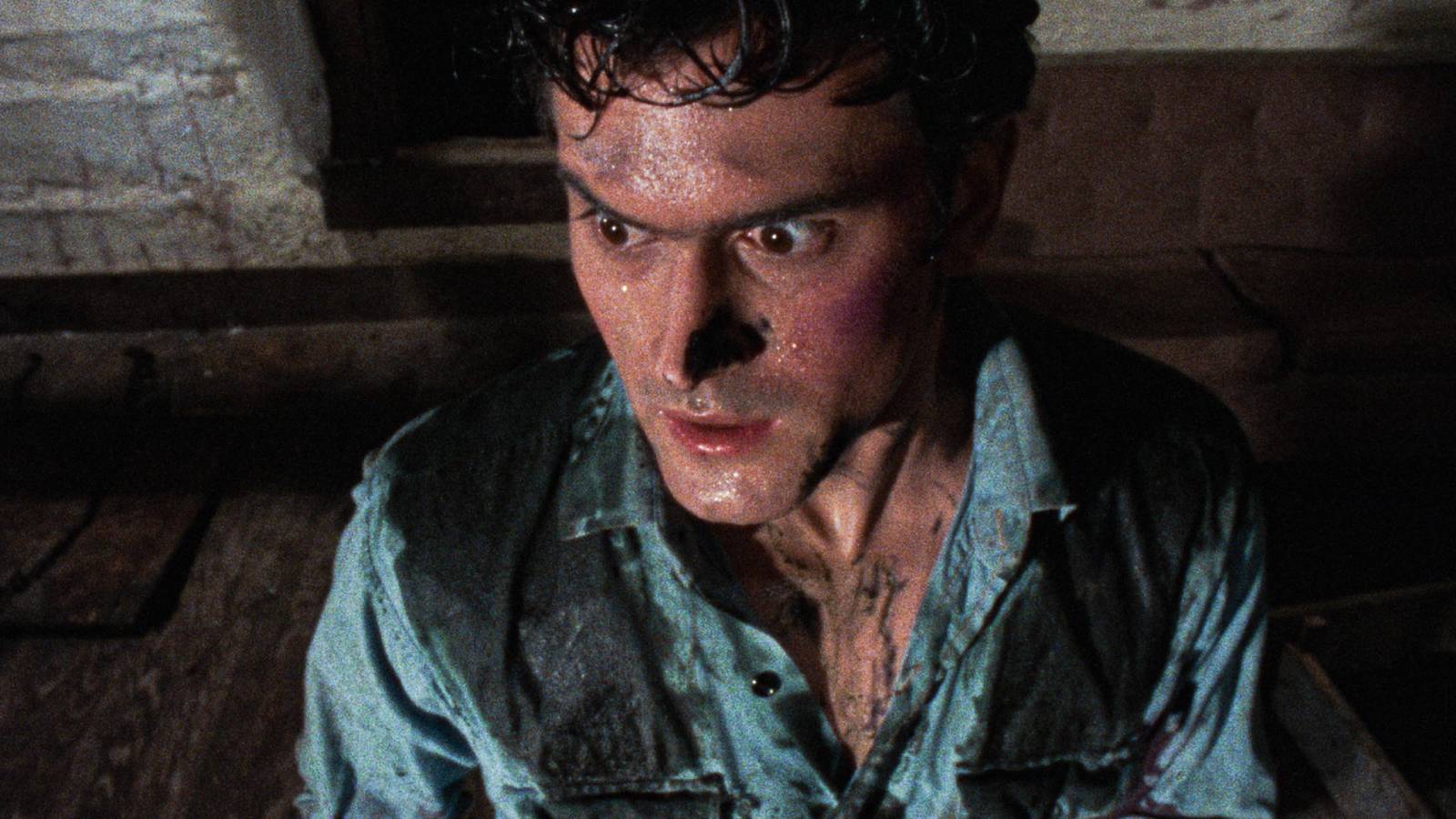
The move affects StudioCanal content, meaning titles like Evil Dead, Terminator, and Hot Fuzz will no longer be accessible to those who previously purchased them. Sony stated clearly that users will no longer be able to watch this content, and there will be no refunds provided for the removals.
The Reality of Digital Licensing
While PlayStation discontinued its video delivery service in 2021 citing a “shift in customer behavior” as streaming services gained popularity, the company initially promised that users could still access their existing purchases. However, today’s news highlights the fine print of the digital age: customers never actually bought the movies, they only purchased a non-exclusive license.
This is standard practice across most digital storefronts, where terms of service agreements allow companies to revoke access to content at any moment without compensation. For many, this serves as a stark reminder of the vulnerability of digital media compared to physical copies, which cannot be remotely erased or revoked by a publisher.
A Growing Concern for Ownership
The situation underscores the broader industry shift toward digital-only ecosystems. With companies increasingly moving away from physical media—such as the decision to sell GTA 6 as a code-in-a-box without a disc—and the rise of digital-exclusive consoles, the ability to truly own games and media is becoming more precarious.
This issue has sparked consumer-led campaigns like Stop Killing Games, which seeks to address the lack of ownership in a landscape where games can be rendered unplayable if servers are shut down or licenses expire. Despite gathering over one million verified petitions, the campaign has faced hurdles; for instance, the EU recently determined that it cannot force companies to keep video games playable after they are no longer commercially supported.
As it stands, the deletion of these 551 movies acts as a warning for the future of digital ownership. Whether through delisted titles, expired licenses, or server shutdowns, the industry is increasingly moving toward a model where consumers have less control over the history and preservation of the media they pay for.