
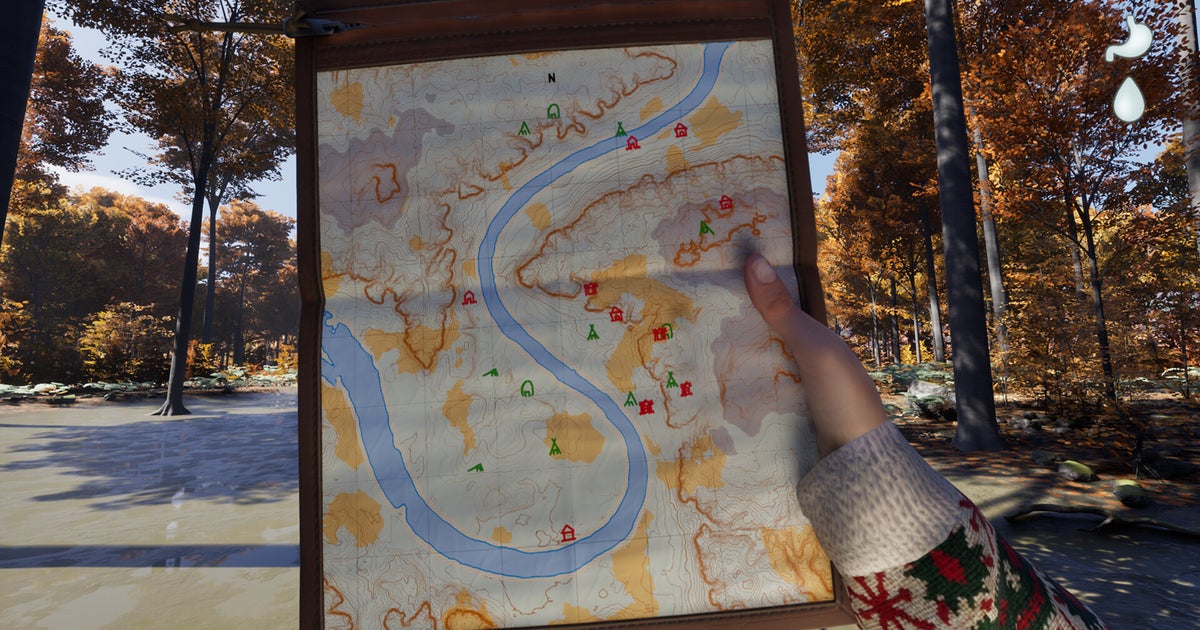
- Game: Prologue: Go Wayback
- Developer: PlayerUnknown Productions
- Release Date: November 20, 2025
- Current Status: Development Ceased
Finding the best settings for Prologue: Go Wayback will no longer be a priority for players as PlayerUnknown Productions has officially confirmed that development on the title is ending. Brendan Greene, the lead behind the studio, stated that he has reached the limits of how far he can continue to fund the project in its current form. As a result, the studio is undergoing a significant restructuring process, which includes an undisclosed number of staff layoffs. While players previously looked for high FPS guides and optimized settings to improve their experience with the simulation, the focus for the studio has now shifted toward supporting the affected employees and transitioning the game to a free-to-play model.
Understanding the PlayerUnknown Productions Layoffs 2026 Details
The announcement, which was shared via the studio's official Dwitter account on June 3, 2026, marks a major change for the developer. Brendan Greene, who gained fame for his work on the battle royale genre, founded PlayerUnknown Productions with the aim of creating large-scale, simulation-heavy experiences. However, the economic realities of maintaining such a project have necessitated these staff cuts. The studio has emphasized that its immediate priority is to assist those impacted by this transition, though they have not provided specific numbers regarding the total headcount reduction.
This news follows the release of Prologue: Go Wayback, which launched on PC platforms on November 20, 2025. Despite the technical ambition behind the project, the game did not gain significant traction in the months following its early access debut. Our coverage here at In Game News has followed the studio's progress closely, noting that the title served as a testing ground for experimental gameplay mechanics that utilized machine learning agents.
The Future of the Melba Engine
While the game itself is being shelved, the technology powering it remains a focus for the company. The Melba engine is Greene's proprietary project designed to facilitate the creation of true earth-sized game environments. This engine functions by utilizing machine learning agents that perform computations directly on the user's hardware. According to the studio's statement, a smaller team will remain at PlayerUnknown Productions to continue the development of this engine.
The goal of Melba has always been to push the boundaries of scale in simulation games. By offloading complex environmental generation to local machine learning processes, the engine theoretically allows for massive, persistent worlds that would otherwise be impossible to render. Whether this technology will be licensed to other developers or utilized in a future, different project remains unclear, as the studio's current communications are focused on the immediate aftermath of the restructuring.
What Happens to Prologue: Go Wayback Players?
For those who purchased the game on platforms like Steam or the Epic Games Store, the studio is currently exploring options for refunds. The developers have indicated that they are seeking a way to facilitate this process for early adopters. Additionally, the game will be made available for free with its next update, allowing anyone interested in the experimental simulation to access it without a price tag. This move is intended to preserve the work done by the team thus far, even if active support and updates are no longer planned.
In our initial report on the game, we highlighted the unique, albeit polarizing, nature of the experience. The simulation featured procedurally placed environments and interactive elements, such as individual stove rings that could be toggled on or off. While some players found the machine learning-driven world intriguing, others found the technical requirements for stable performance to be a hurdle. For those still interested in the title, the shift to a free-to-play model removes the barrier to entry, though users should not expect further content patches or performance optimizations.
Key Changes for the Player Base
- Pricing: The game will transition to a free-to-play model in the next update.
- Refunds: The studio is investigating methods to provide refunds to those who previously purchased the game.
- Development Status: Active development has ceased, meaning no further content or technical updates are scheduled.
- Studio Focus: A smaller team is now solely dedicated to the continued development of the Melba engine.
It is worth noting that the studio has mentioned a hope to return to the project at a future point in time. However, in the current 2026 climate, this remains a non-committal statement rather than a concrete roadmap. Readers looking for more details on the shifting landscape of indie simulation titles can check our indie gaming analysis for broader context on how developers are navigating similar financial challenges.
Frequently Asked Questions
Why is development on Prologue: Go Wayback ending?
Development is ending because Brendan Greene has reached the financial limits of funding the project in its current form, leading to a studio restructuring.
Is Prologue: Go Wayback cancelled?
Yes, active development on the title has ceased, though the studio has expressed a hope to return to the project at a future point in time.
What is the status of the Melba engine?
The Melba engine remains in development, with a smaller team at PlayerUnknown Productions continuing work on the technology.