
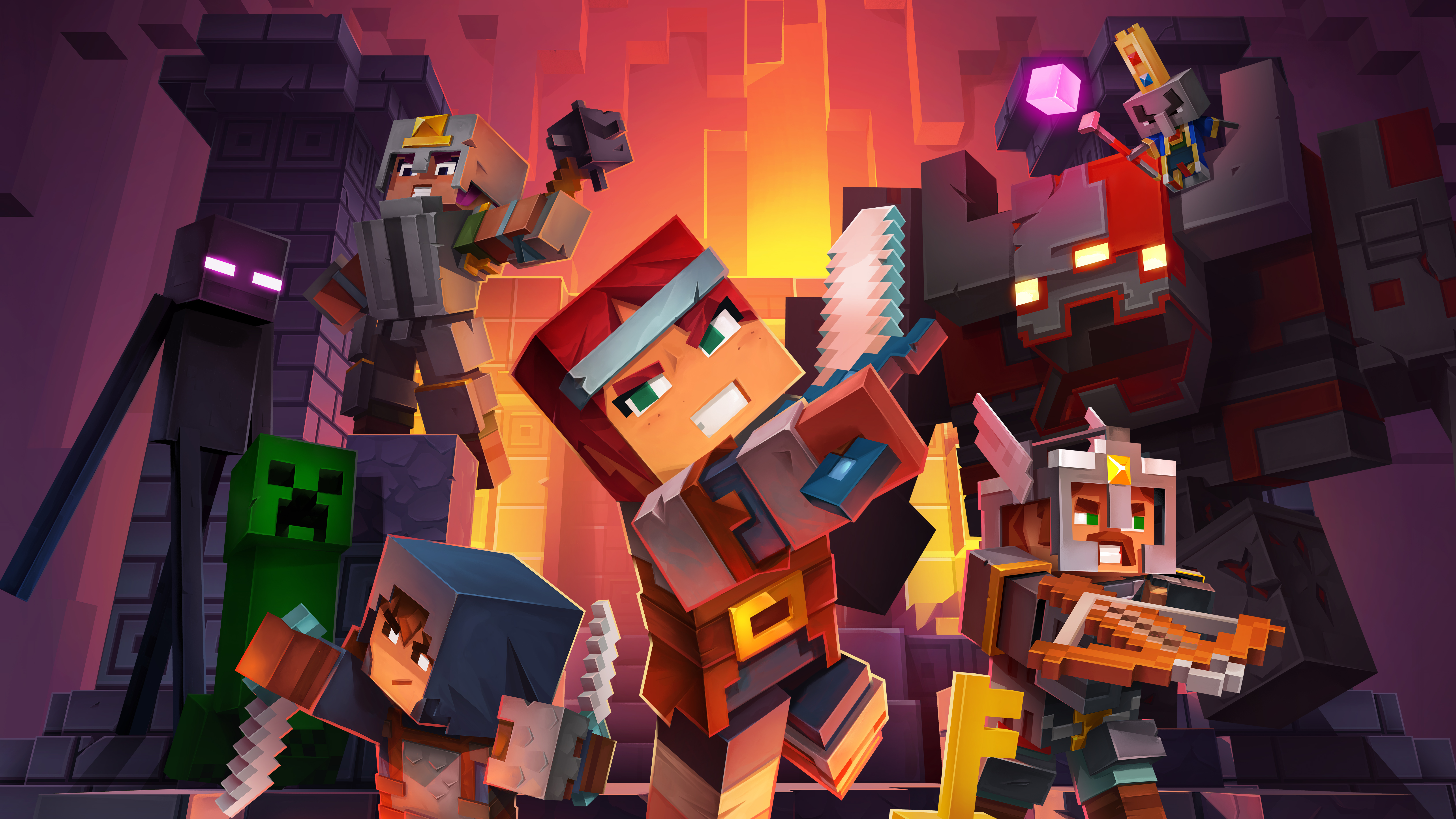
- Game: Minecraft Dungeons II
- Developer: Mojang Studios
- Release Window: 2026
- Core Focus: Mature RPG mechanics and expanded player progression
Mojang Studios has officially announced the development of Minecraft Dungeons II, a follow-up to their 2020 action-RPG, with a planned release window set for 2026. This new entry in the franchise aims to move beyond the accessibility of the original, implementing advanced mechanics and a more mature design philosophy to engage players who have spent the last half-decade with the series.
Understanding the Evolution of the Minecraft Dungeons Franchise
The original Minecraft Dungeons, which launched in May 2020, holds a Metacritic score of 74, reflecting a generally positive reception for its blend of block-based aesthetics and dungeon-crawling action. While the first game served as an entry point for many, Mojang Studios is now looking to cater to a demographic that has matured alongside the brand. By shifting the focus toward deeper character growth and more complex combat scenarios, the studio intends to provide a substantial upgrade to the core loop established in the first title.
In our coverage here at In Game News, we have noted that the developer vision for mature players is central to the project's identity. The team is moving away from purely casual-friendly systems, opting instead for a framework that rewards long-term engagement and strategic planning. This shift is expected to change how players approach character builds, gear management, and environmental interaction within the game world.
Minecraft Dungeons II Gameplay Changes Analysis 2026
When examining what is new in Minecraft Dungeons II mechanics, the primary takeaway is the transition toward a more traditional RPG structure. Players can expect a higher degree of agency when customizing their characters, moving away from the more limited item-based progression seen in the 2020 original. The studio is prioritizing systems that allow for nuanced playstyles, ensuring that each decision regarding equipment and skill selection feels meaningful in the long term.
The following list highlights the key areas where the development team is focusing their efforts for the upcoming sequel:
- Expanded Skill Trees: Moving beyond simple item-based abilities, the sequel introduces a dedicated skill progression system.
- Tactical Combat Enhancements: Enemy AI is being reworked to require more than just button-mashing, forcing players to utilize environmental traps and specific damage types.
- World Complexity: Procedural generation is being refined to include more verticality and interactive elements that impact navigation.
- Resource Management: New currency and crafting systems are being introduced to provide more utility for items gathered during missions.
For those questioning if Minecraft Dungeons II is worth playing in 2026, the answer lies in the studio's commitment to depth. By integrating these systems, Mojang Studios is clearly signaling that they view this title as a long-term service platform rather than a one-off experience. You can find more details on how these systems compare to the original in our RPG genre coverage.
Official Design Philosophy Explained
The Minecraft Dungeons II official design philosophy explained by the developers centers on the concept of "growth." Because the player base for Minecraft has remained consistent over many years, the studio recognizes that their audience has developed a taste for more intricate game design. The goal is not to abandon the charm of the blocky aesthetic, but to wrap it in a layer of mechanical sophistication that satisfies the demands of the modern action-RPG market.
This philosophy also extends to how the game interacts with the broader ecosystem. While the original title was available on PC, Xbox One, PlayStation 4, Xbox Series S/X, and Nintendo Switch, the sequel is being built with a multi-platform approach that ensures performance parity across current-generation hardware. The team is leveraging the lessons learned from the original release to ensure that the transition to more complex systems does not sacrifice the responsiveness that made the first game popular.
Furthermore, the studio is focusing on the feedback loop of the endgame. In the original title, players often reached a plateau where gear acquisition became the only primary driver. In the sequel, Mojang is implementing a system where environmental challenges and character specialization provide a more consistent sense of progress. This is part of a larger strategy to maintain player retention throughout the game's lifecycle. For more insights on how major studios are handling sequels, check out our industry analysis reports.
The Role of the Bedrock Edition Architecture
While the original Minecraft Dungeons operated as a standalone entity, the development of the sequel is heavily influenced by the technical standards seen in the Bedrock Edition of the core Minecraft game. This allows for a more unified experience across platforms, specifically regarding cross-play functionality and account synchronization. By aligning the backend architecture with the broader Minecraft ecosystem, the developers are ensuring that social features and content updates are easier to manage and deploy.
The reliance on this architecture also means that the game will benefit from the same stability and update cadence that has kept the main game relevant for over a decade. Players who are accustomed to the cross-platform nature of the Bedrock Edition will find that the transition to the new dungeon-crawling experience is seamless, maintaining the accessibility that the brand is known for while providing the depth that the genre requires.
Frequently Asked Questions
What are the primary differences between the original Minecraft Dungeons and the sequel?
Minecraft Dungeons II introduces deeper RPG mechanics, including expanded skill trees and more complex enemy AI, moving away from the simpler item-based progression of the 2020 original.
Will Minecraft Dungeons II be available on all major platforms?
The developer has confirmed a multi-platform release strategy, ensuring the game is accessible across current-generation consoles and PC, similar to the scope of its predecessor.
How does the developer plan to keep players engaged in the long term?
The studio is focusing on a more robust endgame and a progression system that rewards character specialization and strategic planning rather than relying solely on gear acquisition.