
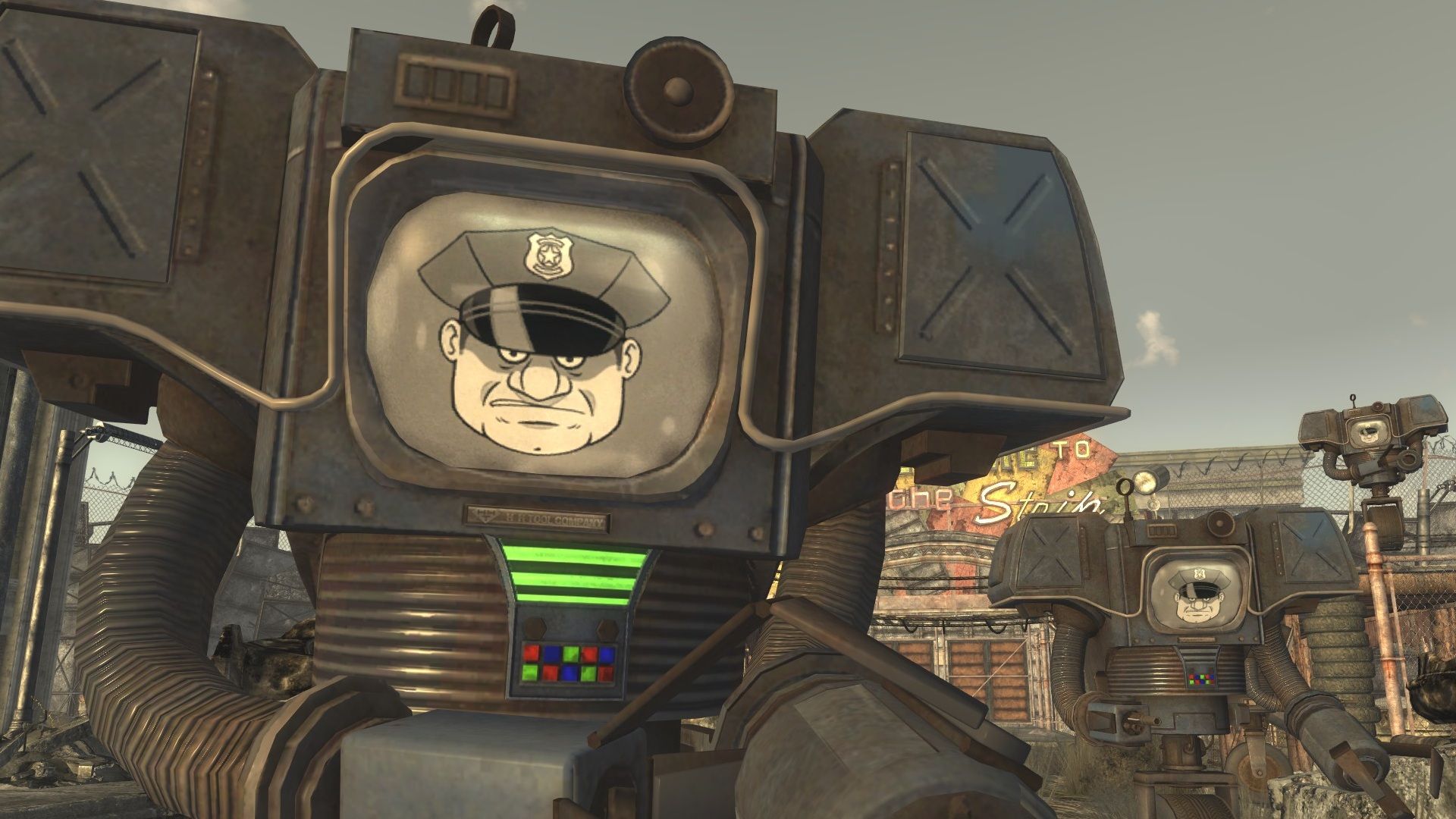
In a recent appearance on the Human Can Opener podcast, Obsidian design director Josh Sawyer opened up about the design philosophy behind Fallout: New Vegas. For a studio that became a standard-bearer for RPG depth, the goal was never about achieving mathematical perfection, but rather ensuring that no matter what kind of character a player built, they felt supported by the game's reactivity.
"Some people think I'm preoccupied with balance," Sawyer said during the interview. "I want people to build characters and have a good time with them. You have to think a little bit, but I don't like it when players have a character concept that they build, and it's like 'Oh, you just built a fundamentally bad character.'"
Building Player Trust Through Skill Checks
Obsidian built that trust by ensuring that even unconventional skills remained useful in meaningful ways. Sawyer pointed to the game's opening, where former designer Eric Fenstermaker crafted the town of Goodsprings to demonstrate to players that their choices mattered immediately. This extends into specific quests like Ghost Town Gunfight, where a player’s investment in skills like Sneak, Explosives, Barter, Speech, or Medicine can all influence the outcome.
According to Sawyer, the studio avoided the common RPG trap of relying solely on persuasion to bypass conflict. Instead, they aimed to make every skill feel like a tool for interaction. This design choice was intended to prevent players from feeling punished for their role-playing preferences, ensuring that a "sneaky rogue" character would find as much reactivity as a high-Charisma diplomat.
The 'Karma Police' and Build Diversity
To keep this variety in check, Obsidian used an informal internal process they dubbed the "Karma Police." Designers were tasked with auditing scripts throughout development to track how often specific skills—like Guns, Charisma, or Barter—were being checked. The goal wasn't to ensure 40 of every check, but to keep them in the same ballpark so players wouldn't spend dozens of hours regretting a skill point investment that never paid off.
This commitment to diversity also led to the removal of the "Big Guns" skill found in earlier entries. Instead, weapons were redistributed into the Guns, Energy Weapons, and Explosives categories. Sawyer noted that in Fallout 1, tagging Big Guns could be a trap; if you didn't find the necessary gear until reaching The Hub, you were essentially left without a viable build for a significant portion of the game. By folding those weapons into broader categories, Obsidian ensured players could always find relevant gear to support their chosen playstyle.
Reflecting on the difference between tabletop RPGs and digital titles, Sawyer acknowledged that while a Dungeon Master can adjust to a player's niche interests on the fly, game designers have to anticipate those needs years in advance. Ultimately, the goal for Fallout: New Vegas was to make players feel like their specific choices—whether a Survival-focused run or a specialized build—resulted in a unique and rewarding experience.
Why Fallout: New Vegas Still Sets the Standard for RPG RoleplayingAction
Why Fallout: New Vegas Remains the Gold Standard for Choice in 2026Action
Why Fallout: New Vegas Still Feel More Reactive Than Most Modern RPGs...Action
Fallout: New Vegas Development Trivia 2026: Why That Psycho Ending Sl...