
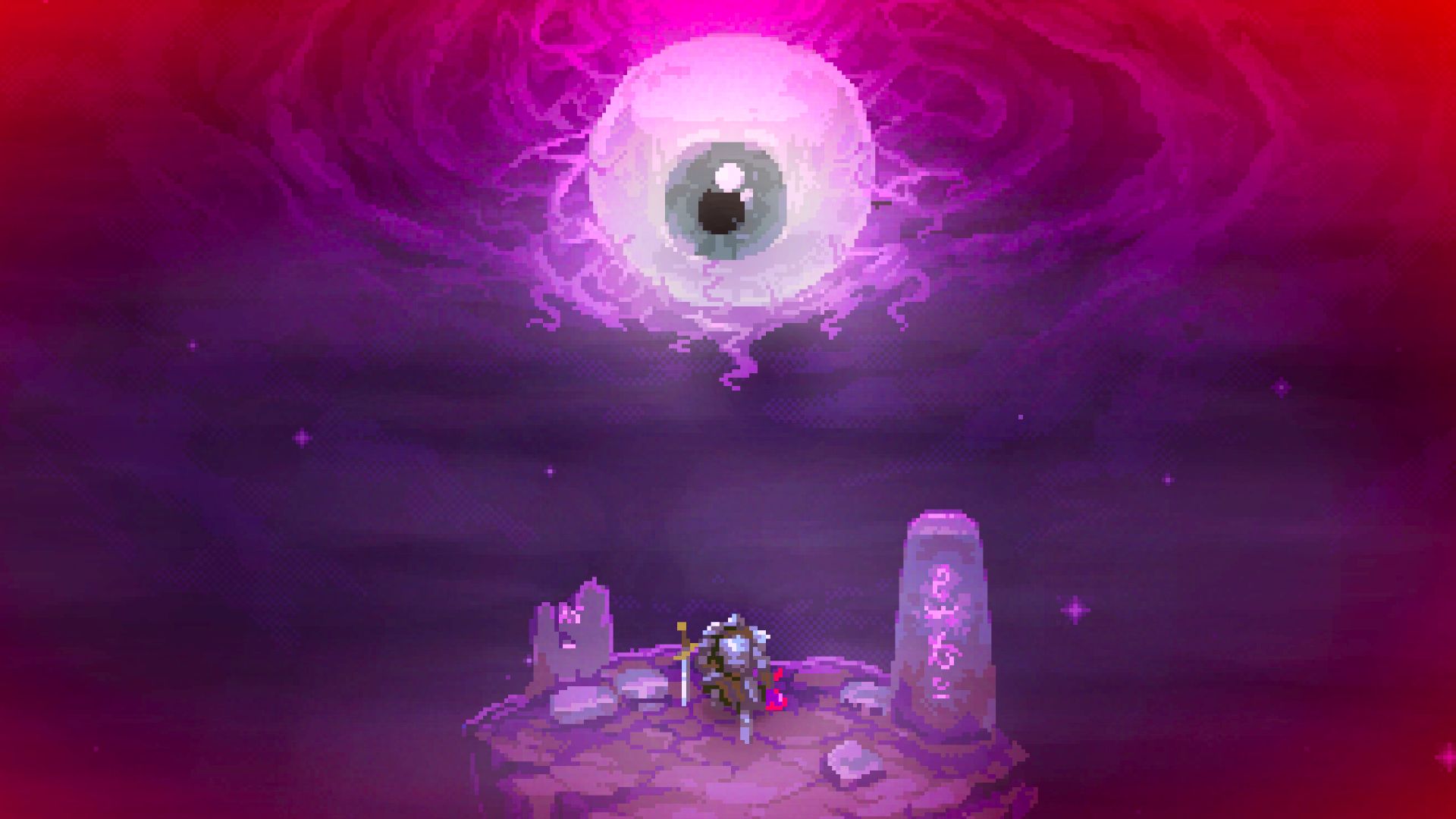
Clyde Games has officially launched the early access version of Cursemark on PC, providing players with a new entry in the action RPG genre that draws comparisons to the intensity of Diablo 4 and the Vessel of Hatred expansion, despite distinct mechanical differences. While major titles like those from Blizzard often define the market, Cursemark attempts to carve out its own space by focusing on rapid build experimentation and modular spell customization. Our coverage at In Game News tracks the initial release of this title, which aims to offer a distinct experience for those interested in action RPG news.
- Game: Cursemark
- Developer: Clyde Games
- Platform: PC
- Release Status: Early Access (2026)
Understanding the Gameplay Style of Cursemark
The core loop of Cursemark revolves around surviving increasingly difficult waves of enemies while managing a highly customizable spell loadout. Unlike many titles that require hours of grinding to reach a functional state, the developers have designed the system to allow players to feel the impact of their build choices within the first 15 minutes of a session. The game utilizes a rune system where basic abilities, such as a standard fireball, can be modified to increase damage, expand the area of effect, or apply specific status ailments to foes.
Players must balance their offensive output with defensive maneuvers, as the title leans into soulslike design principles. This includes the necessity of well-timed dodge rolls and the ability to survive encounters with high-health enemies. As a run progresses, the difficulty scales, requiring players to adapt their strategy based on the drops they receive. This creates a scenario where the player must constantly weigh the benefits of different spell combinations against the increasing threat level of the environment.
Clyde Games Cursemark Features and Build Mechanics
Clyde Games, the studio previously known for their work on Into the Necrovale, has brought a similar focus on pixel art and item-based progression to this project. A primary feature of Cursemark is the ability to swap runes at any point during a run, allowing for immediate experimentation with different elemental spell schools. This flexibility is intended to support a variety of playstyles, whether a player prefers direct damage or utility-focused effects like defensive ice coatings.
The game features a central hub area where players can interact with NPCs to permanently unlock new elemental schools. These upgrades often include specialized spells, such as those that inflict shock damage or increase critical hit chances. To assist with the complexity of these interactions, the game includes a keyword dictionary. This resource is intended to help players understand how various status effects and rune modifications interact, which is a key component for those who enjoy theory-crafting and build optimization. You can find more analysis on similar titles in our PC gaming coverage.
Visual Clarity and Combat Challenges
One aspect of the current early access build is the visual intensity of combat. As players stack multiple runes onto their spells, the screen can become saturated with particle effects, such as fire trails or elemental explosions. While this provides a sense of power, it can also obscure enemy movements, making it difficult to anticipate incoming attacks. The development team has indicated that they plan to continue adding content and refining the experience over the coming months, with players providing feedback on whether this visual clutter impacts the core combat loop.
Strategic Progression and Resource Management
Progression in Cursemark is not limited to individual runs. By accumulating specific currencies, players can unlock permanent abilities, such as summoning hornets to track and damage enemies. This meta-progression system provides a sense of long-term growth even when a specific run ends prematurely. The balance between short-term run success and long-term character investment is a central pillar of the game's design, aiming to keep players engaged as they explore the various elemental combinations available.
Early Access Roadmap and Future Updates
The early access release of Cursemark is intended to be the foundation for a much larger game. According to Clyde Games, the current version contains enough content to justify repeated playthroughs of the initial levels, but the roadmap for the next several months includes significant additions. The developer's history with Into the Necrovale suggests a focus on expanding the item pool and refining the synergy between different character abilities. For those tracking the release, the early access period serves as a window for the studio to gather data on player builds and game balance.
Frequently Asked Questions
- Is Cursemark worth playing in 2026?
Cursemark is currently available in early access, offering a progression system centered on rune-based spell modification that allows for rapid power scaling within individual runs. - What is the gameplay style of Cursemark?
Cursemark features a soulslike action RPG style that emphasizes dodge rolls, managing tanky enemies, and customizing spell effects through a modular rune system. - Is Cursemark a soulslike action RPG?
Yes, Cursemark incorporates soulslike mechanics including dodge-based combat and challenging enemy encounters that require careful timing and strategic positioning.