
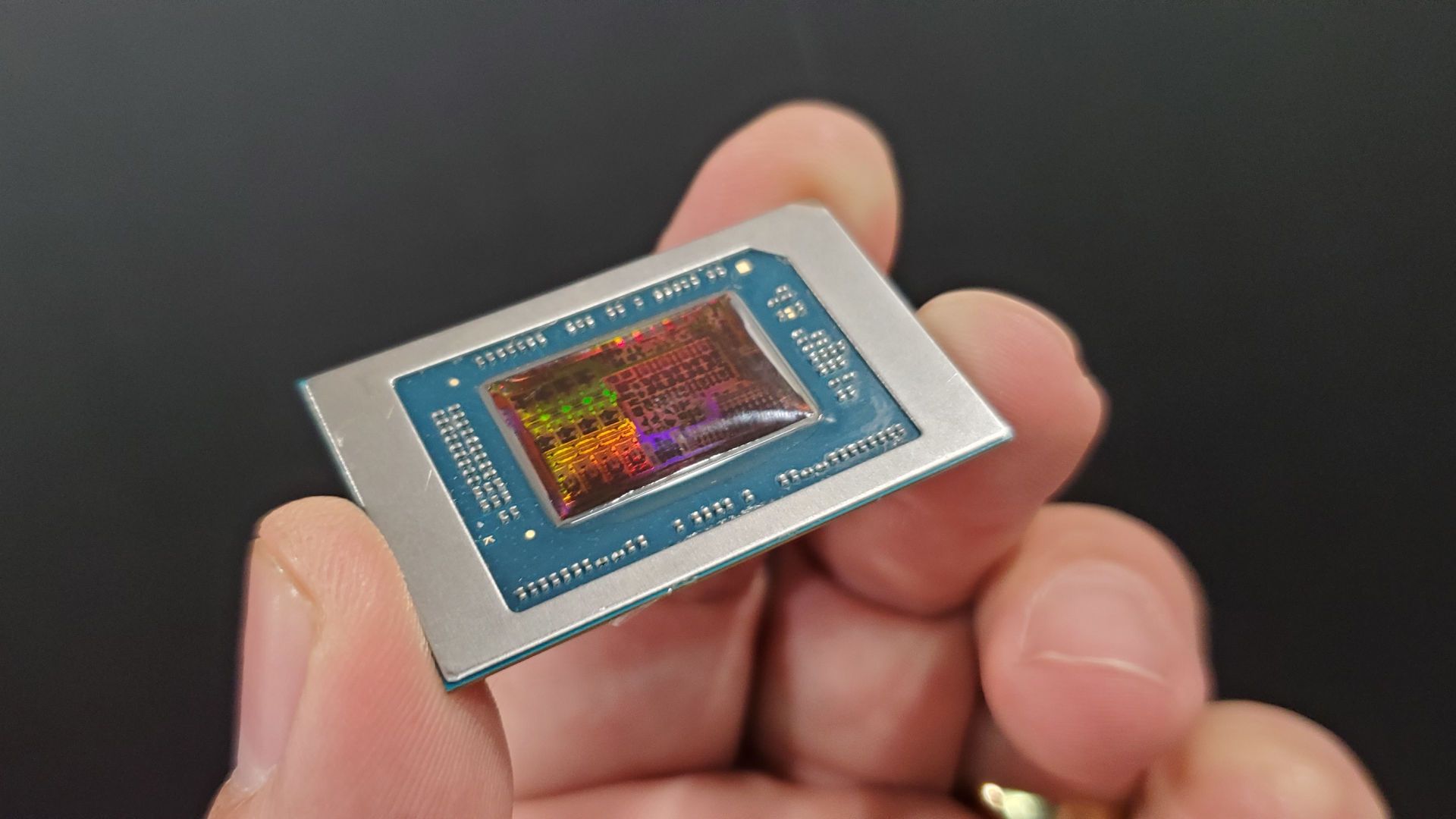
AMD is expanding its processor architecture for the upcoming Zen 6 generation. A recent Linux kernel update submitted by AMD confirms the addition of a new "Low Power" core type, joining the existing performance and efficiency classifications already found in the company's lineup.
According to the kernel mailing list, AMD's Vishal Badole noted that these cores are identified via the CPUID Fn0x80000026 instruction. The specific value "2" is assigned to these low-power units, which are engineered to minimize power consumption during background or idle tasks. This mirrors the design philosophy behind Intel's LPE (Low Power Efficiency) cores found in current Panther Lake chips, which operate with very strict power limits.
Understanding AMD's Core Classifications
To understand where these new cores fit, it helps to look at how AMD currently defines its silicon. AMD uses "Performance" cores to denote standard Zen blocks—these represent the largest die size and offer the highest boost clocks. In contrast, "Efficiency" types (such as the Zen 4c and Zen 5c) are compact versions of those same cores. While they feature reduced L3 cache and lower boost clocks to save die space, they remain functionally identical to their standard counterparts in terms of architecture and instruction sets.
The move to a third, Low Power category suggests that AMD is refining its heterogeneous computing approach. By offloading background threads to these specialized, ultra-low-power cores, the processor can remain active while drawing significantly less energy than a standard core would require.
What This Means for Future Ryzen Laptops
While the company hasn't specified an exact release date, the inclusion of these cores in kernel updates strongly indicates they will arrive with the Zen 6 launch. The hardware is expected to target mobile and low-power platforms, specifically APUs.
Current mobile products already utilize compact cores to optimize die size and power efficiency. For instance, the Ryzen AI 7 350 uses a mix of four Zen 5 and four Zen 5c cores, while the CPU powering Valve's Steam Machine combines two Zen 4 and four Zen 4c cores. The introduction of Zen 6 Low Power cores aims to build on this, potentially allowing future AMD-powered laptops to operate on just a handful of watts during light usage, thereby extending battery life.
There is, however, a potential concern regarding raw performance. If future mobile processors continue to use an eight-unit Core Complex (CCX), swapping standard or compact cores for lower-clocked Low Power units could result in a performance regression. Industry talk suggests AMD may move to a 12-unit CCX for Zen 6, which could allow the architecture to balance high-performance tasks with these new battery-saving cores without sacrificing total throughput.
For more on the latest hardware, check out our guide to the best CPUs for gaming in 2026.