
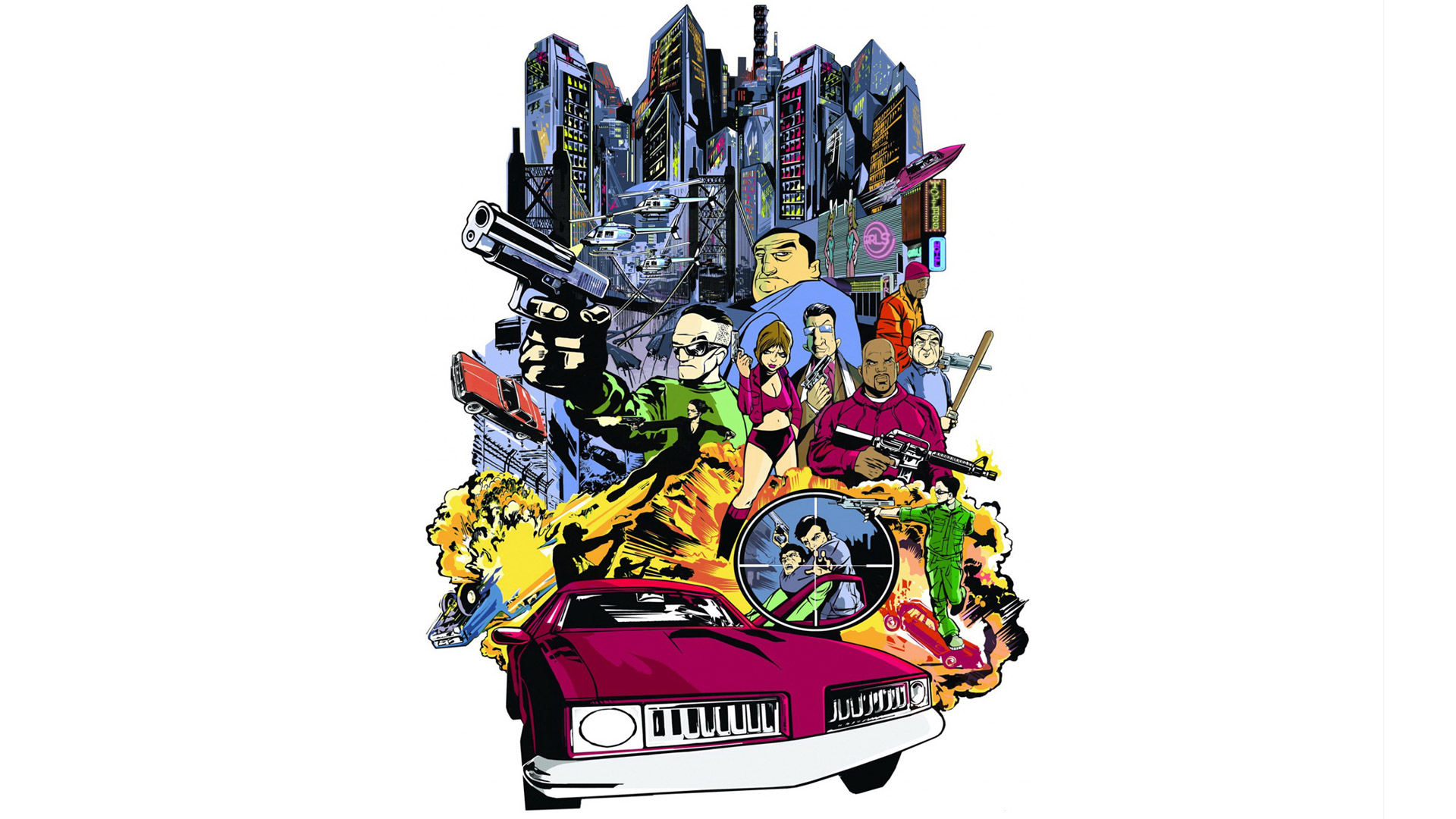
- Game: Grand Theft Auto III
- Developer: Rockstar Games
- Metacritic Score: 93
- Original Release Date: October 22, 2001
As anticipation builds for the release of Grand Theft Auto VI, industry analysts and players are looking back at the technical foundations established by Rockstar Games in 2001. Understanding how Rockstar squeezed the expansive world of Liberty City into the PlayStation 2’s 32MB of RAM provides context for the evolution of open-world development. By analyzing the architecture of Grand Theft Auto III, we can observe the early implementation of asset streaming that allowed the developer to create a whole city that felt alive on hardware with severe memory constraints.
Technical Analysis of Grand Theft Auto III World Streaming
The core challenge for the development team at Rockstar Games during the production of Grand Theft Auto III was managing the limited memory capacity of the PlayStation 2. While previous titles had explored open-ended environments, the scale of Liberty City required a more efficient method of data management. The solution involved a system where the game world was divided into a grid of squares. As the player character traversed the map, the game engine would pull the necessary assets for the immediate vicinity into the system's RAM.
This streaming process was essential for maintaining performance. Once the player moved far enough away from a specific square, the engine would flush that data from the RAM to make room for new assets. This constant cycle allowed the hardware to simulate a larger environment than it could physically hold in memory at any single moment. This approach effectively mitigated the risks of system crashes while ensuring the player could move through the city without encountering constant loading screens.
Overcoming Hardware Limitations
Beyond the RAM limitations, the development team had to contend with the relatively slow read speed of the PlayStation 2’s DVD drive. If the game had relied on traditional loading methods, the experience would have been fragmented. Instead, the streaming techniques ensured that the read speed of the optical drive was balanced with the processing power of the console. This required precise optimization of texture streaming and object placement to prevent common visual artifacts such as pop-in, where objects suddenly appear in the distance.
These methodologies are not merely historical footnotes; they represent the Rockstar Games development history Grand Theft Auto III 2026 perspective on how to build expansive environments. The techniques used to manage asset density and memory allocation have evolved significantly, but the fundamental logic of loading only what is necessary remains a cornerstone of modern game design. As we look toward the technical capabilities required for Grand Theft Auto VI, it is clear that the lessons learned from the PlayStation 2 era continue to influence how the studio approaches massive, detailed maps.
The Legacy of Liberty City on PlayStation 2
Grand Theft Auto III, which holds a Metacritic score of 93, set a benchmark for the shooter and action genres. Its success paved the way for subsequent titles like Vice City and San Andreas, both of which utilized the same streaming architecture to increase the scale and complexity of their respective maps. These titles became some of the best-selling games on the PlayStation 2, proving that players valued the freedom of a sandbox environment over linear progression.
At In Game News, our coverage often highlights how these early technical hurdles shaped the industry. The ability to create a persistent world that reacted to player input was a significant departure from the mission-based structure of the time. While the hardware has changed, the goal of creating an immersive experience through efficient resource management remains constant. You can find more information on the evolution of these titles in our related label for historical gaming analysis.
Evolution of Open World Techniques
The progression from the grid-based streaming of 2001 to the complex, high-fidelity environments expected in 2026 demonstrates the growth of developer expertise. Current hardware allows for much more complex asset loading, including high-resolution textures and dense object counts that were impossible on the PlayStation 2. However, the requirement to manage memory efficiently remains a priority. The techniques popularized by the success of Grand Theft Auto III have been refined into the sophisticated streaming engines used by modern titles, including the upcoming Grand Theft Auto VI.
- Grid Partitioning: Dividing the map into manageable squares for easier data retrieval.
- Memory Flushing: Clearing unused assets from RAM to maintain a consistent frame rate.
- DVD Read Optimization: Balancing data streaming to match the speed of the console's optical drive.
- Asset Prioritization: Ensuring essential objects are loaded before background details.
Frequently Asked Questions
Frequently Asked Questions
How did Rockstar Games fit Grand Theft Auto III on PS2?
Rockstar Games managed the limited 32MB RAM of the PlayStation 2 by dividing Liberty City into a series of squares and streaming assets into memory only as the player approached them.
How does open world asset streaming work in GTA 3?
The game engine constantly populates the RAM with required data for the immediate area and flushes information from memory once the player moves far enough away.
Why was Grand Theft Auto III significant for PS2 hardware?
It successfully implemented a living, breathing sandbox environment on limited hardware, establishing technical streaming techniques that remain relevant for modern titles like Grand Theft Auto VI.
Besmirch Horror Farming Game: Early Access Details and Gameplay 2026Action
A Dozen Gamers Organize Protest to Block Saudi Takeover of Battlefiel...PC Gaming
Steam's Most-Wishlisted Game Launches This Week Following 2026 DramaGuides
RPCS3 Developers Ban AI Code Submissions in 2026 Gaming News Update