
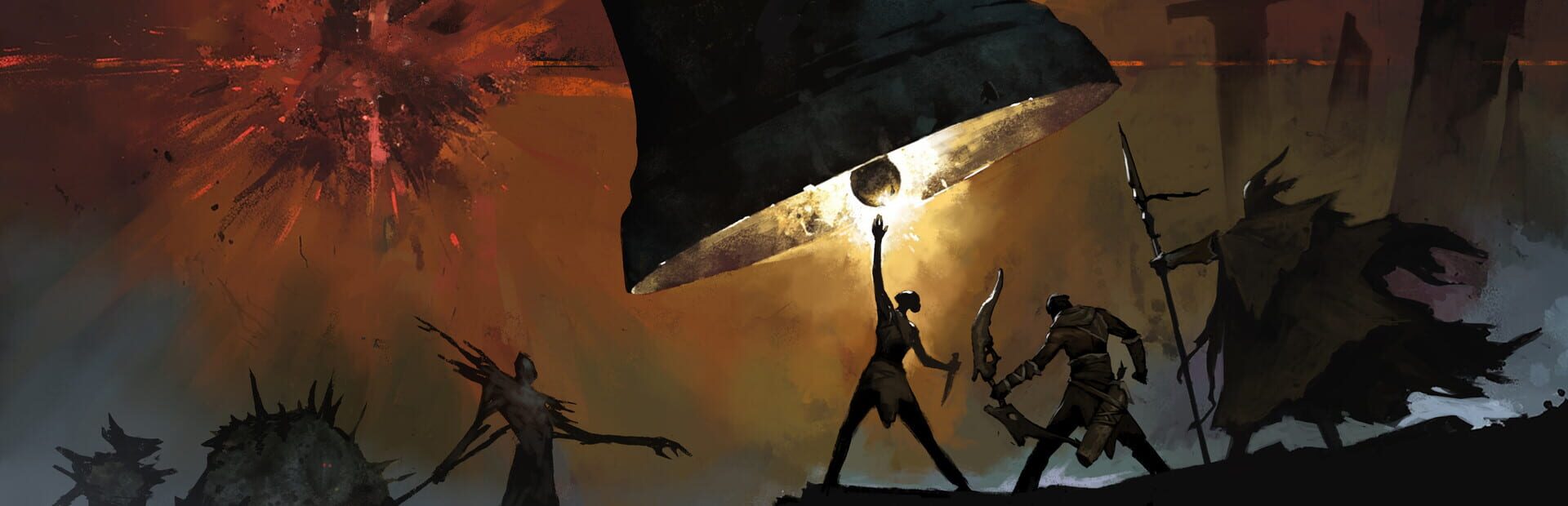
Deckbuilding RPGs have relied on turn-based energy limits for years, but developer Fardust tries a different approach in Shards of Order. Released for Xbox in 2026, the game sets aside standard turn-taking in favor of a system where every card played advances enemy action counters. James Birks at The Xbox Hub examined how this time-cost mechanic shapes the tactical loop, along with its associated pros and cons for players.
Quick Facts
- Platform: Xbox
- Developer: Fardust
- Price: Under £10
Combat and Shared Deck Mechanics
In Shards of Order the unnamed protagonist is eventually joined by two party members: the ranged Exile and the crowd-controlling Scholar. All three characters draw from a single shared deck, limiting the player's hand to six cards at a time. Birks noted that this setup introduces unpredictable friction, as players occasionally draw cards for characters they do not need at that moment, leaving survival dependent on luck rather than pure tactical execution.
Despite those draw frustrations, the reviewer found strong tactical depth once the mechanics click. Delaying enemies, loading the Exile's quiver, or using the Scholar's rot status effects offer varied approaches. Furthermore, unique status systems like enemy reanimation and resurrection penalties for party members keep encounters tense.
Progression, Equipment, and Quests
Progression benefits from an individual respec system. Skill points earned from leveling up unlock a sprawling skill tree, and Birks praised the ability to individually refund and swap cards without breaking an entire build. Quests also stand out for their creative, dark fantasy tone—ranging from fetching a talking head to reattaching a blacksmith's body.
However, the equipment system received criticism. While memories and gear are plentiful, the reviewer pointed out that few feel worthwhile, as players quickly latch onto standout effects like starting an encounter with a full shield and ignore the rest.
Player Fit and Verdict
For players considering whether Shards of Order is worth buying, the review highlights an engaging dark fantasy aesthetic, distinct regional music, and a clever time-based combat system beneath its grim exterior. While bad card draws and uninspiring early gear create minor hurdles, Birks concluded that these irritations are minor compared to what the game gets right, making it a worthwhile purchase for under a tenner.