
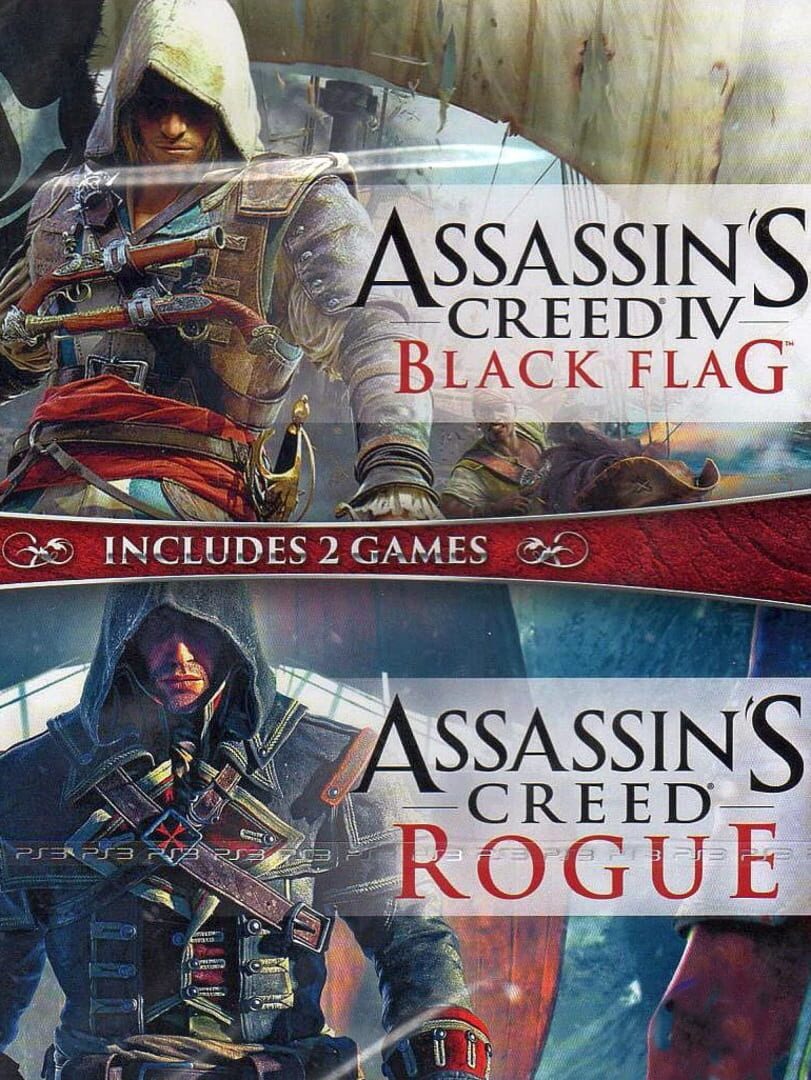
Ubisoft’s Assassin's Creed Black Flag Resynced has officially set sail, landing on PC, PlayStation 5, and Xbox Series S/X as of July 9, 2026. Arriving twelve and a half years after the original, the title joins a growing industry trend of revisiting recent classics. Unlike the original 2013 release, which remains easily playable on current consoles via PlayStation 4 and Xbox One backward compatibility, Resynced attempts to modernize the experience for a new audience.
Quick Facts
- Release Date: July 9, 2026
- Platforms: PC, PlayStation 5, Xbox Series S/X
- Key Change: Significant reduction of modern-day narrative elements
The motivation behind Resynced appears to be part of a broader industry shift. Developing new, large-scale entertainment properties is slow, expensive, and carries significant financial risk. For publishers like Ubisoft, remakes provide a way to keep popular brands relevant and maintain consistent engagement with mass-market audiences while navigating a release schedule that demands constant content.
The Balance of Remakes
Critics have been split on the success of Black Flag Resynced. While some appreciate the technical refresh, others question the necessity of the project, especially given that the original game still functions perfectly well on modern hardware. This puts the title in a different category than games that have aged poorly due to frame rate issues, muddy visuals, or awkward camera controls—problems that often justify a remake to keep a classic accessible to younger players raised on titles like Breath of the Wild.
The reception also highlights the difficulty of deciding what to cut or keep. Some players feel Resynced has changed too much, specifically pointing to the excision of the modern-day framing, which fundamentally alters the game’s original tone. Others argue that if a developer is going to make changes, they should lean further into recontextualizing the story entirely, perhaps moving toward a new genre or a full reimagining.
Ultimately, the reception reflects the subjectivity of the player experience. Whether it is the visual clarity found in Bluepoint’s Shadow of the Colossus or the aggressive editing of Dragon Quest 7 Reimagined fans often disagree on whether a remake should be a faithful restoration or a bold new interpretation. Black Flag Resynced is likely to do just fine commercially, but it serves as another case study in the complex push-and-pull between our desire for nostalgia and our hunger for something new.