
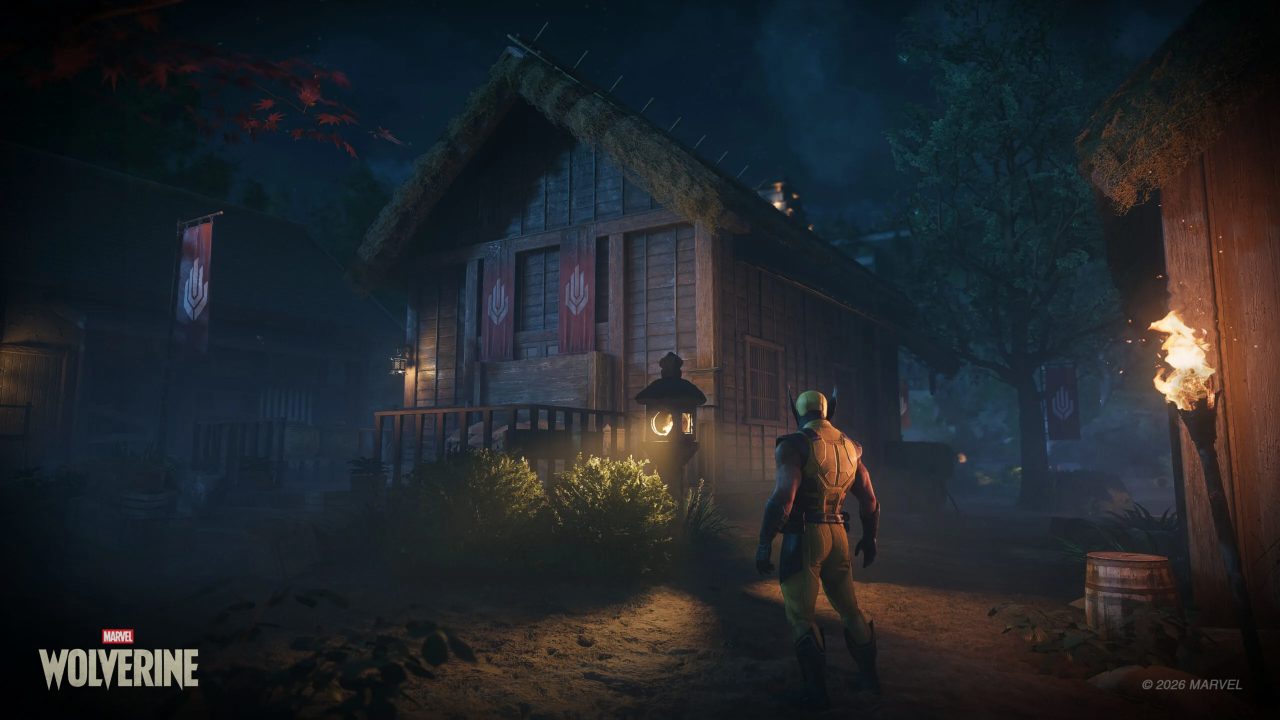
Insomniac Games Details Extensive Japan Research for Marvel's Wolverine Environments
Insomniac Games recently shared insights into its ambitious location-scanning trip to Japan, a crucial step in developing the authentic and detailed environments for the upcoming Marvel’s Wolverine game. This extensive research mission was part of a broader series of global scanning efforts, with the Japan trip highlighted as the most ambitious and satisfying to date.
According to Nathaniel Bell, Principal Technical Artist at Insomniac Games, the primary goal of these trips is to record real-world assets, examine natural environments, and gain a deep understanding of both real and fictional locations, drawing inspiration from actual biomes and cultures. For a title like Marvel’s Wolverine authenticity is paramount, built upon layers of high-resolution scans that capture the physical truth of a place—including rock, bark, pavement, moss, metal, signage, soil, and the subtle imperfections that make environments feel believable.
The planning for the Japan trip involved months of virtual location scouting and route planning, significantly aided by Sony Interactive Entertainment teams in Japan. Unlike previous trips where travel between scanning locations was minimized, the team committed to more in-trip travel than ever before. Their route spanned from Tokyo to Joetsu, then to Tsumago-Juku/Magome-Juku, Kyoto, and back to Tokyo, designed to capture a wide variety of environments within a limited timeframe.
Beyond just scan data, being physically present in Japan allowed the development team to observe how structures are designed and constructed, how materials weather over time, and how local cultural details are integrated into the environment. This firsthand research provides artists with a stronger foundation, enabling them to create game locations that feel grounded and thoughtfully inspired, rather than assembled from generic assets, even when those locations are fictional.
The trip successfully captured assets across several dramatically different biomes. In mountainous, snow-covered regions, the focus was on natural surfaces and cold-weather details like snow, stone, and bark. Bamboo forests provided references for vegetation, organic layering, and the unique density of the landscape. Urban locations offered access to pavement, walls, street-level details, public infrastructure, and signs of wear that contribute to a lived-in feel. Additionally, underground transit spaces and remote temples provided distinct materials, architectural patterns, and culture-specific construction details for authentic environment creation.
By the conclusion of the Japan expedition, the team had amassed a significant amount of material: over 600 scans across four biomes, more than 100 miles walked while carrying approximately 20 pounds of gear, 5.6 TB of captured data, and 189,589 photos. This extensive collection, combined with the team's deeper understanding of the places, materials, and cultural nuances, will help shape the vision for Marvel’s Wolverine with greater specificity and respect for its real-world inspirations.
This challenging yet successful trip represents a meaningful advancement in how Insomniac Games collaborates, researches, and brings believable worlds to life. Players can anticipate experiencing these detailed environments when Marvel’s Wolverine launches on PS5 consoles on September 15. The game is available for wishlist and pre-order via the PlayStation Store.