
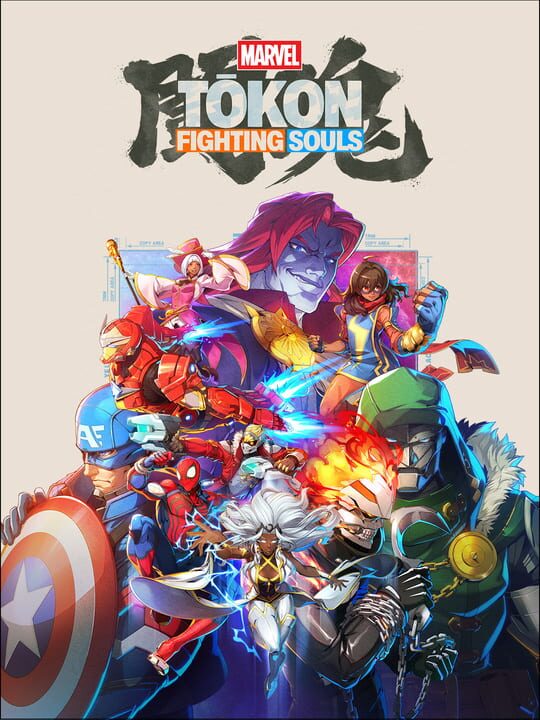
ArcSystem Works' multi-platform fighter Marvel Tokon: Fighting Souls brings a mechanics-driven approach to comic book team combat. Following an open beta testing period, preview findings from IGN highlight how the game handles its large roster, shared health pools, and complex assist systems ahead of a full review.
Shared Health and Scalable Roster Depth
Tokon utilizes a 4v4 tag fighting structure with specific rules designed to manage match chaos. Rather than giving each fighter an individual health pool, all team members share a single lifebar. This design decision removes traditional sidelines health restoration and lowers the barrier to entry by letting players compete effectively using just a single character.
However, players who learn a well-synergized team gain tactical advantages. For instance, a player struggling against zoning opponents like Magneto can swap in a counter-pick, or transition from a mix-up character like Spider-Man to a heavy-damage option like Blade after landing an opening hit. Review findings indicate that this system allows players to build up their gameplan incrementally, starting with one character before adding new team layers in training mode.
Assist Rules and Active Tag Mechanics
Matches begin with two characters available per team, requiring players to unlock remaining fighters through specific actions such as light auto-combos, stage transitions, throws, or losing a round. Unlocking characters builds the Assemble meter, which governs assist calls.
Before a match, fighters are assigned to four distinct roles:
- Leader: The current active point character.
- Shooter: Provides projectile assists in neutral.
- Vertical: Covers vertical hitboxes.
- Assault: Reserved for each character's most powerful assist.
While neutral assists cost no meter, extending combos or recovering from blocked moves requires a universal dash-attack assist that consumes one bar of the Assemble meter with strict timing requirements. Review notes point out that the active tag system—which lets players briefly control an assist character on screen—feels restrained and less intuitive on offense compared to similar titles like 2XKO, as the game limits unrestrained mix-ups.
Character Authenticity and Pending Performance Checks
Despite complex assist rules, the character roster receives praise for faithful comic book representation and distinct playstyles. Spider-Man relies on web-zips and wire setups, Storm manipulates weather and command grabs, and Magneto utilizes metallic environmental objects as projectiles.
Review coverage notes that a full evaluation will follow once the complete game is available, covering the 10+ hour original story mode, teaching tools, online lobbies, and live server performance on PC following technical issues during the open beta.