
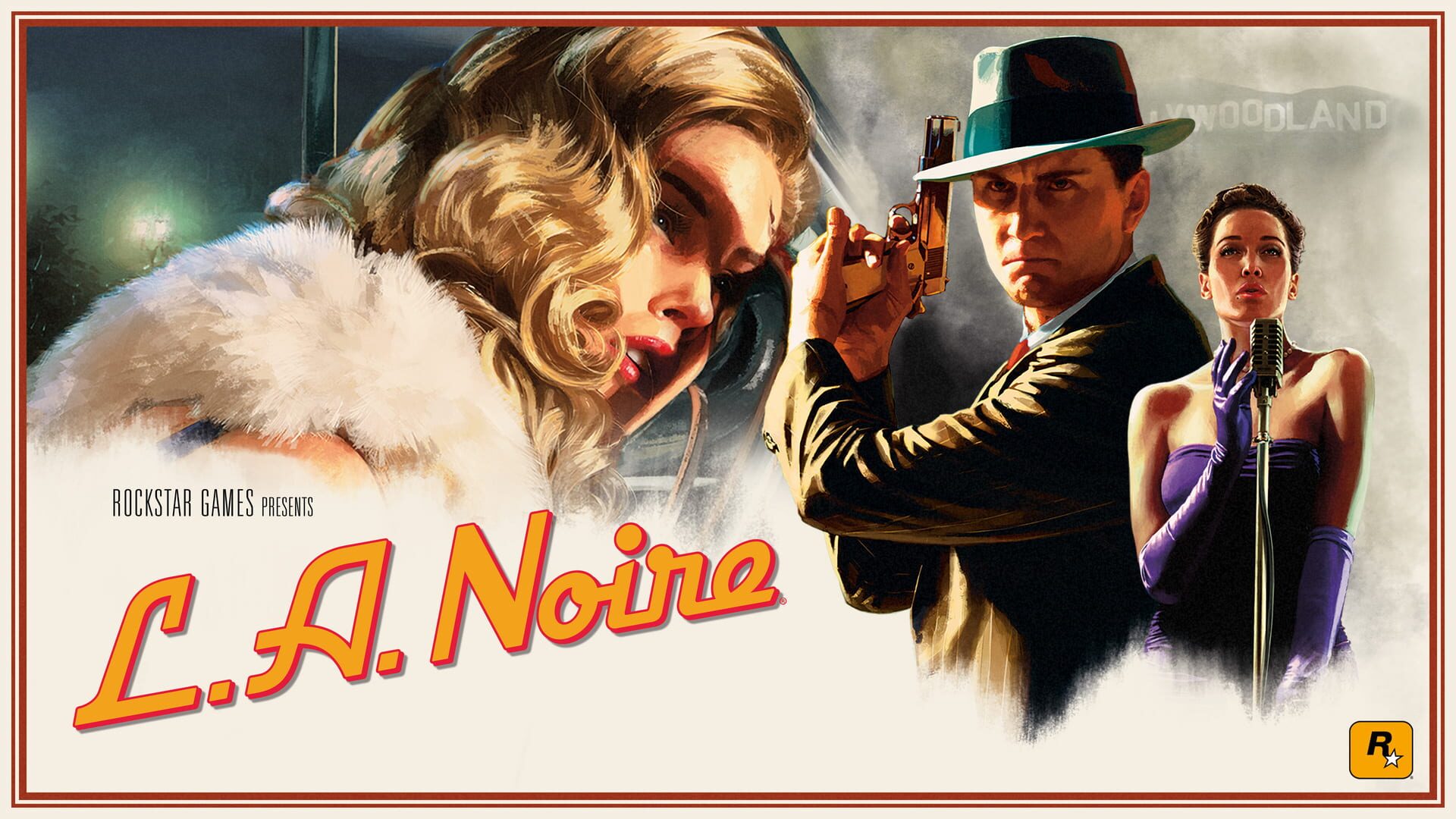
When L.A. Noire swaggered onto consoles in 2011, it did so with a glamorous cinematic ambition that held a mirror up to its Hollywood setting. Seven years in the making by developer Team Bondi and eventually published by Rockstar Games, the detective drama was one of the most expensive video games ever created. It featured a cast of 400 actors whose performances were captured using 32 cameras via MotionScan technology—the same system used in Avatar and The Lord of the Rings.
The Interrogation Mechanic and MotionScan
The pitch was L.A. Confidential meets Grand Theft Auto. Real actors, including several stars from Mad Men like protagonist Aaron Staton (Cole Phelps), were cast to make the game's interrogation mechanic work. In theory, players could tell a liar from an honest witness simply by observing nuanced facial ticks and micro-expressions captured by MotionScan.
In practice, those digitized performances often proved difficult to read. Suspects' faces frequently mugged, squinted, and sneered so exaggeratedly that it became hard to determine whether a nervous look signified guilt or mere contemplation. Compounding the issue, the game's options underwent changes—shifting from Truth, Doubt, and Lie during development to Good Cop, Bad Cop, and Accuse in the 2017 remaster. Choosing incorrectly resulted in a downbeat musical motif and left players short-stacked for solving the case.
Crime Scene Investigation vs. Open-World Bloat
While the high-tech interrogations served as the headline feature, the crime scene investigations proved to be the superior element. Players were directed around detailed scenes by musical cues woven into the soundtrack, utilizing tactile forensic examination rather than supernatural senses. Rotating items to find vital clues offered a genuine sense of discovery, even if scenes were filled with incidental junk designed to ensure no stone was left unturned.
Conversely, the 1940s Los Angeles setting spanned eight square miles—bigger than Liberty City in GTA 4—yet remained largely devoid of meaningful open-world activities outside the main story. Extraneous elements like 95 period-correct collectible automobiles and dispatch-call side missions often served to break the pace of the narrative, treating the open world as an expectation of the era rather than a necessity.
Development Struggles and Legacy
L.A. Noire's development was famously troubled, marked by Sony dropping the project in 2005 due to costs exceeding budgets before Rockstar picked up publishing rights. By the end of its seven-year production cycle, reports of difficult working conditions at Team Bondi surfaced, and Rockstar ultimately did not work with the studio again.
Premiering to sold-out audiences at New York's Tribeca Film Festival, writer and director Brendan McNamara hoped the project would serve as a watershed moment for the medium. Though it failed to spark a broader wave of detective games or widespread adoption of MotionScan technology across the industry, L.A. Noire endures as a distinct, lavish experiential experiment that attempted to bridge the gap between interactive gaming and cinematic performance.