
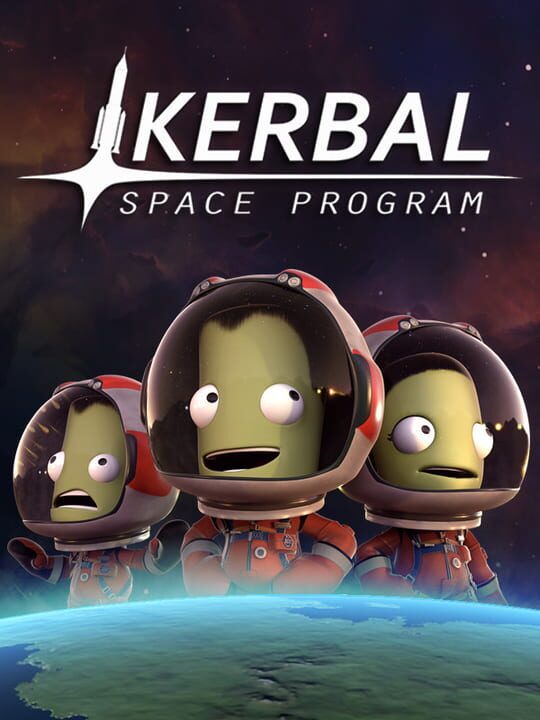
Felipe Falanghe, the creator of Kerbal Space Program, has provided new insight into the project's humble beginnings. While the title is now recognized as a complex rocket science simulator, its development began in 2010 as a far more modest pitch to the marketing firm Squad.
Falanghe, who was working at Squad at the time, proposed the game as a Flash-based project. He notes that at the time, Flash was a reasonable platform for such a suggestion, and he believed the concept was a safe, simple approach to simulating rocket science. The primary inspiration was an old promotional game for Top Gear centered on the Reliant Robin shuttle, which required players to manage throttle settings to avoid catastrophic failure.
From Flash Pitch to Simulation
The scope of Kerbal Space Program expanded significantly beyond that initial Flash concept. Falanghe recalls that he felt his position at the time was precarious, leading him to adopt an "all-in" mentality: "I was always working with this idea that for all I know next week this is over, so let's do anything I can under that assumption."
This approach allowed the game to grow into the title it is today, rather than remaining the simple browser-based game originally envisioned. Falanghe notes that pitching the full vision of the project to a conventional game studio would have been "unthinkable" given the nature of the development process.
Current Projects and Software
Since the development of the original Kerbal Space Program, Falanghe has founded his own development company, Floating Origin Interactive. Regarding his current PC habits, Falanghe shared that he remains an active user of several specific tools:
- OBS: Used for screen sharing, a practice he has maintained since the beginning of his development career.
- OneCommander: A preferred file explorer that he favors for its multi-column view, which he notes is similar to the folder management style found on macOS.
- Start 11: Used to customize the Windows interface to restore a Windows 10-style Start menu.
Falanghe also mentioned his continued interest in flight simulation, noting that he has logged nearly 2,000 hours across Microsoft Flight Simulator 2020 and 2024.