
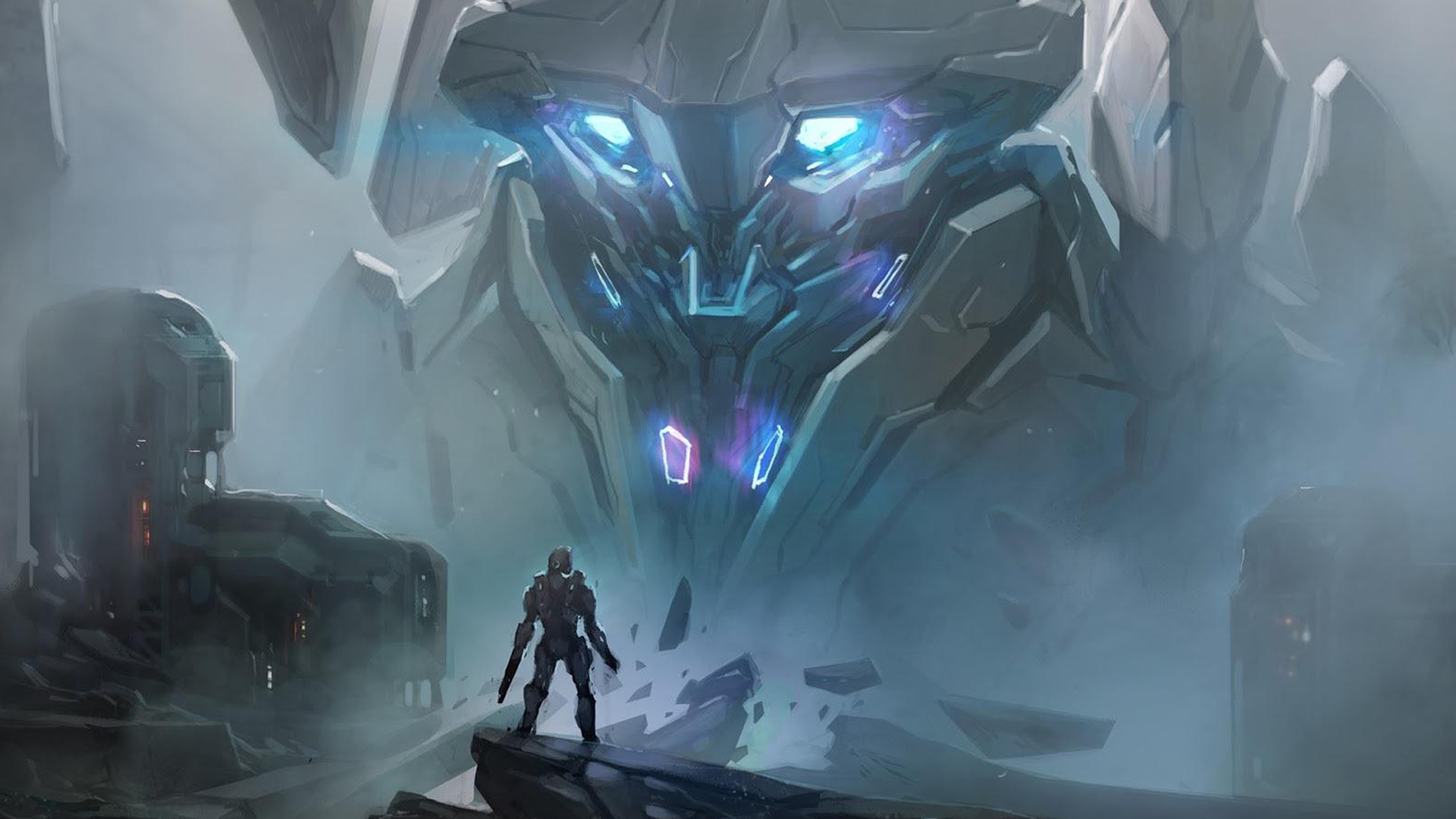
The Halo franchise remains a staple of the science fiction shooter genre, primarily recognized for its iconic music, structured level design, and high-intensity combat. While players are well-acquainted with the primary threats that have defined the series, a recent retrospective has highlighted some of the more obscure and visually distinct enemies that have challenged humanity's survival across the stars.
Defining the Halo Enemy Aesthetic
Visually, the series distinguishes itself through a diverse array of factions, each designed with a specific combat role and aesthetic signature. The most common threats players encounter include:
- The Covenant: Highly aggressive forces that serve as a primary antagonist throughout much of the series.
- The Flood: Parasitic, zombie-like organisms that provide a shift in both gameplay pacing and visual horror.
- Forerunner Constructs: Ancient, advanced weaponry and automated defenses that present a unique mechanical challenge to the player.
These groups are central to the visual identity of the franchise. Beyond their gameplay mechanics, these factions are noted for how they visually set Halo apart from other science fiction titles of the same era.
Platform Context: Halo on PC
For PC players, the Halo experience has been a consistent presence since the release of Halo on June 4, 2020. As of 2026, the platform continues to serve as a key environment for users to engage with these classic enemy types, benefiting from the mouse-and-keyboard precision required to manage the distinct AI behaviors of the Flood and the tactical mobility of the Covenant.
Whether revisiting the series through modern hardware or engaging with the franchise for the first time, the core design of these enemy factions remains a key component of what players encounter during their defense against extinction.