
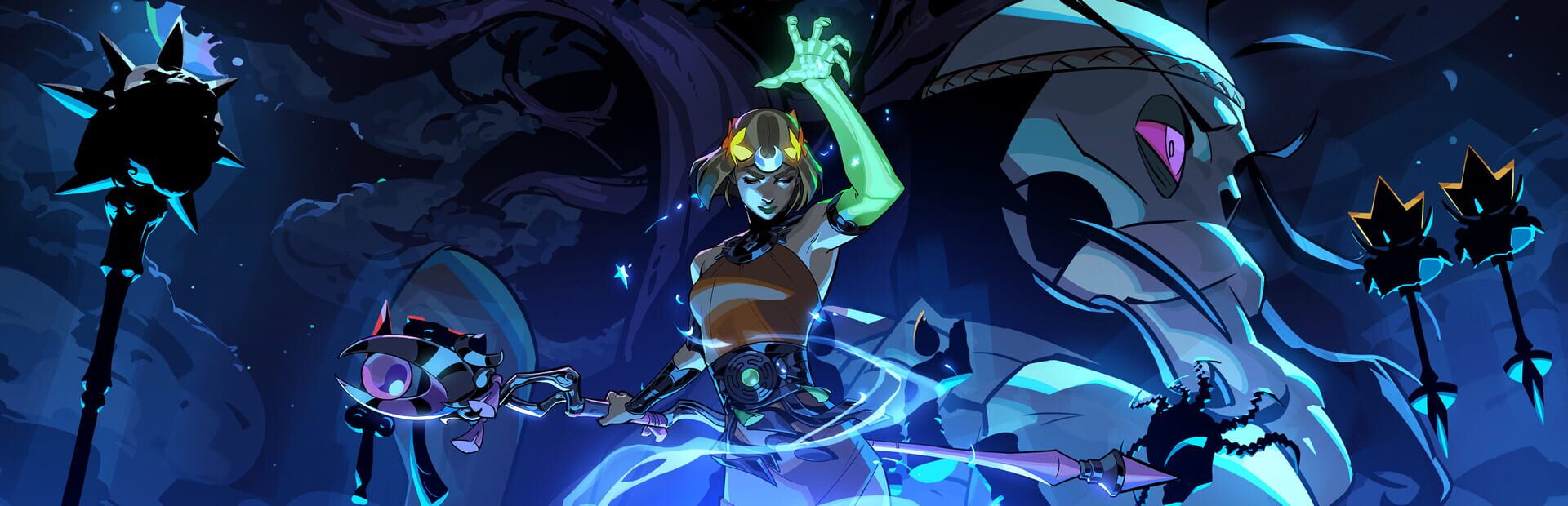
Hades II and The Odyssey share mythological characters, places and concerns, but their central journeys point in different directions. Homer follows Odysseus trying to return home after the Trojan War. Supergiant follows Melinoë, the Underworld’s princess, in a struggle against Chronos. Recognising the older myths adds context without turning the game into a chapter-by-chapter adaptation.
This guide discusses character identities and familiar mythological encounters, with no account of Hades II’s ending. You can follow the connections while leaving the game’s later revelations undiscovered.
Is Hades II a retelling of The Odyssey?
Supergiant’s official FAQ describes an original sequel rooted in Underworld mythology and witchcraft. It identifies Homer and Hesiod among its classical inspirations, while explaining that players do not need prior knowledge of Greek myth. The connection is a shared tradition reshaped for a new protagonist.
| In The Odyssey | In Hades II |
|---|---|
| Odysseus is the returning hero | Melinoë leads the main story |
| The journey concerns homecoming and a threatened household | The central conflict concerns Chronos and the Underworld |
| Gods and monsters test the traveller | Mythic figures become allies, opponents and continuing relationships |
| The poem supplies one ancient telling | The game rearranges the material into its own narrative |
Odysseus connects the two stories directly
Odysseus is more than a familiar name in the game’s background. Supergiant’s April 2026 Post-Launch Patch 2 discusses his Fated Prophecy content and adds narrated conclusions that can be viewed in the Fated List after the relevant prophecies are fulfilled. That is a practical place to revisit his storyline once you have progressed naturally through it.
The same notes describe additional Crossroads interactions involving Odysseus. If you are following his story, keep speaking with characters between runs rather than expecting all the relevant material to arrive in one conversation. The developer’s notes establish evolving character scenes; they do not provide a universal number of runs needed to see every exchange.
Why Polyphemus feels familiar
In Book IX of The Odyssey, Odysseus encounters the Cyclops Polyphemus. The episode is a contest of force, deception and escape, and its consequences extend beyond the immediate danger. Hades II reuses the mythological identity within a different playable journey; recognising the source should not be mistaken for knowing the game’s exact encounter rules.
For players, the useful distinction is between recognising a name and assuming an ancient story is a combat guide. Learn the game’s own attacks and conditions through its presented systems. The poem explains the reference, not a guaranteed tactic.
Circe, witchcraft and the journey below
Books X and XI lead from Circe’s island into Odysseus’s encounter with the dead. Those episodes make the Underworld part of a wider journey about memory, family and knowledge. Supergiant gives witchcraft a central place in Hades II and highlights Hecate in its FAQ, building a different story from that broad mythological inheritance.
Hecate and Circe should not be treated as interchangeable merely because both belong in a discussion of magic. Keep each figure’s identity and role clear when comparing the poem with the game.
Melinoë comes from another ancient tradition
Melinoë also appears in the Orphic Hymns, a separate ancient religious collection. The hymn addressed to her connects the figure with the Underworld and frightening nocturnal apparitions. Reading it alongside Homer helps explain why the game’s mythological background extends beyond The Odyssey. It is a short invocation, not an ancient version of the game’s plot; Supergiant develops its own character relationships and conflict.
A short reading order for players
- Read Book IX for the Polyphemus episode.
- Continue with Book X for Circe and the transition toward the journey below.
- Read Book XI for the encounters with the dead.
- Return to the game’s character conversations and Fated List, comparing themes without expecting the same sequence of events.
That limited reading path offers a manageable starting point. You can then explore the wider poem for the homecoming story while letting Hades II’s own scenes explain what Supergiant chose to preserve, change or invent.
Sources and further reading
- Supergiant: official Hades II announcements — https://store.steampowered.
com/ news/ app/ 1145350/ view/ 1829528821318255 - Homer: The Odyssey, Samuel Butler’s public-domain translation — https://www.gutenberg.
org/ files/ 1727/ 1727-h/ 1727-h. htm - Orphic Hymn to Melinoe: Thomas Taylor’s public-domain translation — https://www.theoi.com/Text/OrphicHymns2.html#70